What Makes a Coin Different from a Token
The cryptocurrency landscape is vast and often confusing, especially for newcomers. Among the most common terms encountered are “coins” and “tokens.” While they are frequently used interchangeably, they represent distinct concepts within the blockchain ecosystem. Understanding the differences between coins and tokens is crucial for anyone looking to navigate the world of cryptocurrency effectively.
Defining Coins and Tokens
To grasp the differences between coins and tokens, it is essential to define each term clearly.
What is a Coin?
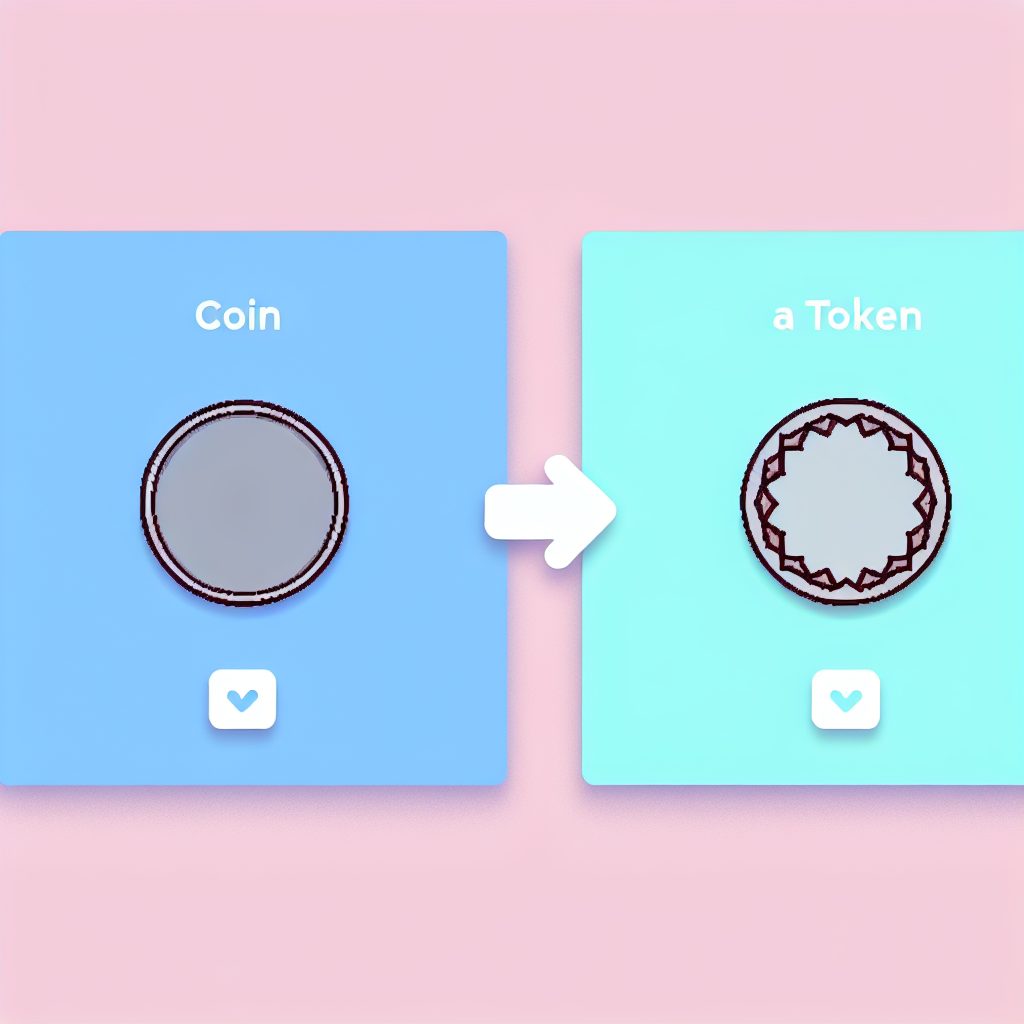
A coin is a digital currency that operates independently on its own blockchain. Coins are primarily used as a medium of exchange, a store of value, or a unit of account. The most well-known example of a coin is Bitcoin (BTC), which was created as a decentralized digital currency to facilitate peer-to-peer transactions without the need for intermediaries.
What is a Token?
A token, on the other hand, is a digital asset that is built on an existing blockchain. Tokens can represent various assets or utilities and are often used within specific applications or ecosystems. For instance, Ethereum (ETH) is a coin, while tokens like Chainlink (LINK) and Uniswap (UNI) are built on the Ethereum blockchain and serve specific purposes within their respective platforms.
Key Differences Between Coins and Tokens
Understanding the differences between coins and tokens can help investors and users make informed decisions. Here are the primary distinctions:
- Blockchain Independence: Coins operate on their own blockchain, while tokens are built on existing blockchains.
- Purpose: Coins are primarily used as currency, whereas tokens can represent a variety of assets or utilities.
- Transaction Fees: Transactions involving coins typically incur fees on their native blockchain, while token transactions may incur fees on the blockchain they are built upon.
- Use Cases: Coins are often used for trading and investment, while tokens can be used for governance, access to services, or representing physical assets.
Examples of Coins and Tokens
To further illustrate the differences, let’s look at some prominent examples of coins and tokens.
Examples of Coins
- Bitcoin (BTC): The first and most recognized cryptocurrency, designed as a digital currency.
- Litecoin (LTC): Created as a “lighter” version of Bitcoin, with faster transaction times.
- Ripple (XRP): A digital currency designed for facilitating international money transfers.
Examples of Tokens
- Chainlink (LINK): A decentralized oracle network that connects smart contracts with real-world data.
- Uniswap (UNI): A governance token for the Uniswap decentralized exchange, allowing holders to vote on protocol changes.
- Basic Attention Token (BAT): Used within the Brave browser to reward users for viewing ads.
Use Cases for Coins and Tokens
Both coins and tokens have unique use cases that cater to different needs within the cryptocurrency ecosystem.
Use Cases for Coins
- Medium of Exchange: Coins like Bitcoin and Litecoin are used for everyday transactions.
- Store of Value: Many investors view Bitcoin as “digital gold,” a hedge against inflation.
- Remittances: Coins like Ripple (XRP) facilitate cross-border payments efficiently.
Use Cases for Tokens
- Access to Services: Tokens can grant users access to specific services within a platform, such as using Uniswap for trading.
- Governance: Token holders can vote on changes to the protocol, influencing the future of the project.
- Asset Representation: Tokens can represent real-world assets, such as real estate or art, on the blockchain.
The Role of Smart Contracts
Smart contracts play a pivotal role in the functionality of tokens. These self-executing contracts with the terms of the agreement directly written into code allow for automated transactions and operations without intermediaries. Most tokens are created using smart contracts on platforms like Ethereum, which supports the ERC-20 and ERC-721 token standards.
Blockchain Technology Behind Coins and Tokens
The underlying technology for both coins and tokens is blockchain, a decentralized ledger that records all transactions across a network of computers. However, the architecture can differ significantly.
Coins and Their Blockchains
Coins operate on their own blockchains, which are designed specifically for their intended use. For example:
- Bitcoin: Uses a proof-of-work consensus mechanism to secure its network.
- Ethereum: Initially used proof-of-work but has transitioned to proof-of-stake with Ethereum 2.0.
Tokens and Their Blockchains
Tokens are built on existing blockchains, leveraging their security and infrastructure. For instance, Ethereum’s blockchain allows developers to create tokens using its smart contract capabilities. This has led to the proliferation of various tokens, each serving different purposes within the Ethereum ecosystem.
Market Dynamics: Coins vs. Tokens
The market dynamics for coins and tokens can vary significantly. Coins often have higher market capitalizations and are more widely recognized, while tokens may experience more volatility due to their specific use cases and the projects they are associated with.
Market Capitalization
Market capitalization is a critical metric for assessing the value of cryptocurrencies. Coins like Bitcoin and Ethereum consistently rank among the top in market cap, while tokens can fluctuate based on project developments and market sentiment.
Volatility and Investment Risks
Tokens can be more volatile than coins due to their reliance on specific projects and market conditions. Investors should conduct thorough research before investing in tokens, as their value can be influenced by factors such as:
- Project development and updates
- Market trends and sentiment
- Regulatory changes
Regulatory Considerations
The regulatory landscape for cryptocurrencies is evolving, and the distinction between coins and tokens can have implications for compliance. Regulatory bodies may classify coins as currencies and tokens as securities, depending on their use cases and functionalities.
Compliance and Legal Frameworks
In many jurisdictions, coins are treated as digital currencies, while tokens may fall under securities regulations. This classification can affect how projects raise funds through Initial Coin Offerings (ICOs) or Token Generation Events (TGEs). Understanding these regulations is crucial for both developers and investors.
Future Trends in Coins and Tokens
The cryptocurrency industry is continuously evolving, and the future of coins and tokens will likely be shaped by technological advancements, regulatory developments, and market dynamics.
Technological Innovations
As blockchain technology matures, we can expect to see innovations that enhance the functionality of both coins and tokens. For example, interoperability between different blockchains could allow tokens to operate across multiple platforms, increasing their utility.
Regulatory Developments
As governments around the world establish clearer regulations for cryptocurrencies, the classification of coins and tokens may evolve. This could lead to increased legitimacy and adoption of both types of digital assets.
FAQs
What is the main difference between a coin and a token?
The primary difference is that a coin operates on its own blockchain, while a token is built on an existing blockchain.
Can a token become a coin?
Yes, a token can transition to its own blockchain and become a coin, but this requires significant development and resources.
Are tokens always built on Ethereum?
No, while many tokens are built on Ethereum, they can also be created on other blockchains like Binance Smart Chain, Solana, and more.
What are some popular tokens?
Popular tokens include Chainlink (LINK), Uniswap (UNI), and Basic Attention Token (BAT), each serving unique purposes within their ecosystems.
Conclusion
Understanding the differences between coins and tokens is essential for anyone looking to navigate the cryptocurrency landscape effectively. Coins serve as digital currencies operating on their own blockchains, while tokens are built on existing blockchains and can represent various assets or utilities. As the industry continues to evolve, staying informed about these distinctions will empower investors and users alike.
For the latest news and updates in the cryptocurrency world, consider visiting Bitrabo. Follow me on social media for more insights: X, Instagram, Facebook, Threads.
Disclaimer: This article is for informational purposes only and should not be considered financial advice. Always conduct your own research before investing in cryptocurrencies.
The Crypto Watchlist of the Week 🔎
Subscribe to receive expert-curated projects with real potential—plus trends, risks, and insights that matter. Get handpicked crypto projects, deep analysis & market updates delivered to you.