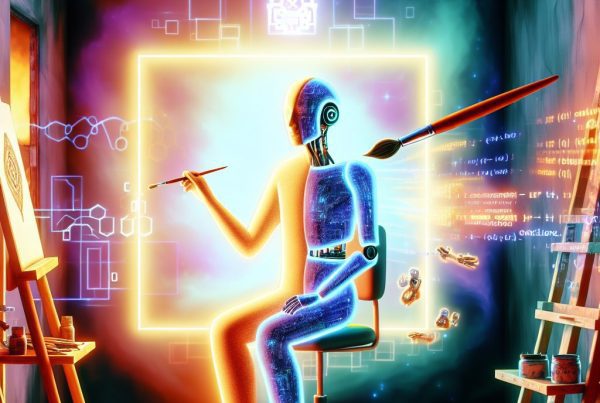
What If the Entertainment Industry Paid Royalties via Blockchain?
The entertainment industry has long been plagued by issues surrounding copyright, royalties, and fair compensation for creators. As the digital landscape evolves, the integration of blockchain technology presents a revolutionary solution to these longstanding problems. By leveraging blockchain, the entertainment sector could streamline royalty payments, enhance transparency, and ensure that artists receive fair compensation for their work. This article delves into the potential impact of blockchain on the entertainment industry, exploring its benefits, challenges, and real-world applications.
The Current State of Royalties in the Entertainment Industry
Traditionally, the entertainment industry has relied on complex systems to manage royalties. Artists, producers, and other stakeholders often face delays and discrepancies in payments. According to a report by the Music Business Worldwide, artists typically receive only a fraction of the revenue generated from their work due to intermediaries and outdated systems.
- Complexity of Contracts: Many artists sign contracts that are difficult to understand, leading to confusion about payment structures.
- Delayed Payments: Royalty payments can take months or even years to process, leaving artists in financial uncertainty.
- Lack of Transparency: The current system lacks transparency, making it challenging for artists to track their earnings.
How Blockchain Can Transform Royalty Payments
Blockchain technology offers a decentralized and transparent solution to the issues plaguing the entertainment industry. By utilizing smart contracts and distributed ledgers, blockchain can automate and streamline the royalty payment process.
1. Smart Contracts
Smart contracts are self-executing contracts with the terms of the agreement directly written into code. In the context of the entertainment industry, smart contracts can automate royalty payments based on predefined conditions. For example, when a song is streamed, the smart contract can automatically distribute payments to the artist, producers, and other stakeholders in real-time.
2. Transparency and Traceability
Blockchain’s inherent transparency allows all parties involved to track transactions in real-time. This traceability ensures that artists can see exactly how much revenue their work generates and how royalties are distributed. This level of transparency can help build trust between artists and industry stakeholders.
3. Reduced Intermediaries
By eliminating intermediaries such as record labels and distribution companies, blockchain can significantly reduce costs associated with royalty payments. This means that a larger portion of the revenue generated from an artist’s work goes directly to the artist themselves.

Real-World Applications of Blockchain in Entertainment
Several companies and projects are already exploring the use of blockchain technology in the entertainment industry. Here are a few notable examples:
1. Audius
Audius is a decentralized music streaming platform that allows artists to upload their music and connect directly with fans. By using blockchain technology, Audius ensures that artists receive 90% of the revenue generated from their streams, compared to the industry standard of around 12%. This model empowers artists and fosters a more equitable ecosystem.
2. Myco
Myco is a blockchain-based platform that focuses on fair compensation for artists. It allows creators to set their own royalty rates and ensures that payments are made instantly through smart contracts. This approach not only benefits artists but also encourages them to engage more with their audience.
3. Ujo Music
Ujo Music is another innovative platform that utilizes blockchain to manage music rights and royalties. By allowing artists to register their works on the blockchain, Ujo Music provides a transparent and efficient way to track usage and distribute payments. This model has the potential to revolutionize how music rights are managed.
Challenges and Considerations
While the potential benefits of blockchain in the entertainment industry are significant, there are also challenges that need to be addressed:
- Adoption Barriers: The entertainment industry is traditionally resistant to change, and convincing stakeholders to adopt blockchain technology may be challenging.
- Regulatory Concerns: The regulatory landscape surrounding blockchain and cryptocurrencies is still evolving, which could pose challenges for implementation.
- Technical Complexity: Implementing blockchain solutions requires technical expertise, which may not be readily available in all sectors of the entertainment industry.
The Future of Royalties in the Entertainment Industry
The integration of blockchain technology into the entertainment industry has the potential to create a more equitable and transparent system for royalty payments. As more artists and stakeholders recognize the benefits of blockchain, we may see a shift towards decentralized platforms that prioritize fair compensation.
Furthermore, as the cryptocurrency market continues to grow, the use of digital currencies for royalty payments could become more mainstream. This shift could empower artists to take control of their financial futures and foster a more sustainable ecosystem for creative professionals.
FAQs
What is blockchain technology?
Blockchain technology is a decentralized digital ledger that records transactions across multiple computers. It ensures that the data is secure, transparent, and immutable.
How can blockchain benefit artists in the entertainment industry?
Blockchain can benefit artists by providing transparent royalty tracking, reducing intermediaries, and enabling instant payments through smart contracts.
Are there any existing platforms using blockchain for music royalties?
Yes, platforms like Audius, Myco, and Ujo Music are already utilizing blockchain technology to manage music rights and royalties.
What challenges does the entertainment industry face in adopting blockchain?
Challenges include resistance to change, regulatory concerns, and the technical complexity of implementing blockchain solutions.
Conclusion
The potential for blockchain technology to transform the entertainment industry is immense. By addressing the issues of transparency, efficiency, and fair compensation, blockchain can create a more equitable landscape for artists and creators. As the industry continues to evolve, embracing these innovations will be crucial for ensuring that artists receive the recognition and compensation they deserve.
For more insights into the cryptocurrency industry and the latest news, visit Bitrabo. Stay connected with me on social media: X, Instagram, Facebook, Threads.
Disclaimer: This article is for informational purposes only and does not constitute financial advice. Always conduct your own research before making investment decisions.
The Crypto Watchlist of the Week 🔎
Subscribe to receive expert-curated projects with real potential—plus trends, risks, and insights that matter. Get handpicked crypto projects, deep analysis & market updates delivered to you.