Tokenizing Gold, Oil, and Real Assets: What It Means for Everyday Investors
The rise of blockchain technology has opened new avenues for investment, particularly in the realm of tangible assets like gold, oil, and real estate. Tokenization, the process of converting physical assets into digital tokens on a blockchain, is revolutionizing how everyday investors can access and invest in these traditionally illiquid markets. This article delves into the implications of tokenizing these assets, the benefits it offers to investors, and the challenges that lie ahead.
Understanding Tokenization
Tokenization refers to the process of creating a digital representation of a physical asset on a blockchain. This digital token can represent ownership, rights, or a share in the underlying asset. By leveraging blockchain technology, tokenization enhances transparency, security, and liquidity.
For everyday investors, tokenization democratizes access to high-value assets that were previously reserved for wealthy individuals or institutional investors. With tokenized assets, investors can buy fractions of an asset, making it more affordable and accessible.
The Benefits of Tokenizing Gold, Oil, and Real Assets
Tokenizing gold, oil, and real estate offers several advantages:
- Increased Liquidity: Tokenization allows for fractional ownership, enabling investors to buy and sell portions of assets easily.
- Lower Barriers to Entry: Investors can participate in markets that were once out of reach due to high capital requirements.
- Enhanced Transparency: Blockchain technology provides a transparent ledger of ownership and transaction history, reducing fraud and increasing trust.
- Global Accessibility: Investors from around the world can access tokenized assets without the need for intermediaries.
- 24/7 Trading: Unlike traditional markets, tokenized assets can be traded around the clock, providing flexibility for investors.
Tokenizing Gold
Gold has long been considered a safe-haven asset. Tokenizing gold allows investors to own a digital representation of physical gold stored in secure vaults. Each token typically represents a specific weight of gold, making it easy for investors to buy, sell, or trade their holdings.
One notable example is Paxos Gold (PAXG), a digital asset backed by physical gold. Each PAXG token is backed by one fine troy ounce of gold stored in professional vaults. This model provides investors with the benefits of gold ownership while eliminating the challenges of physical storage and security.
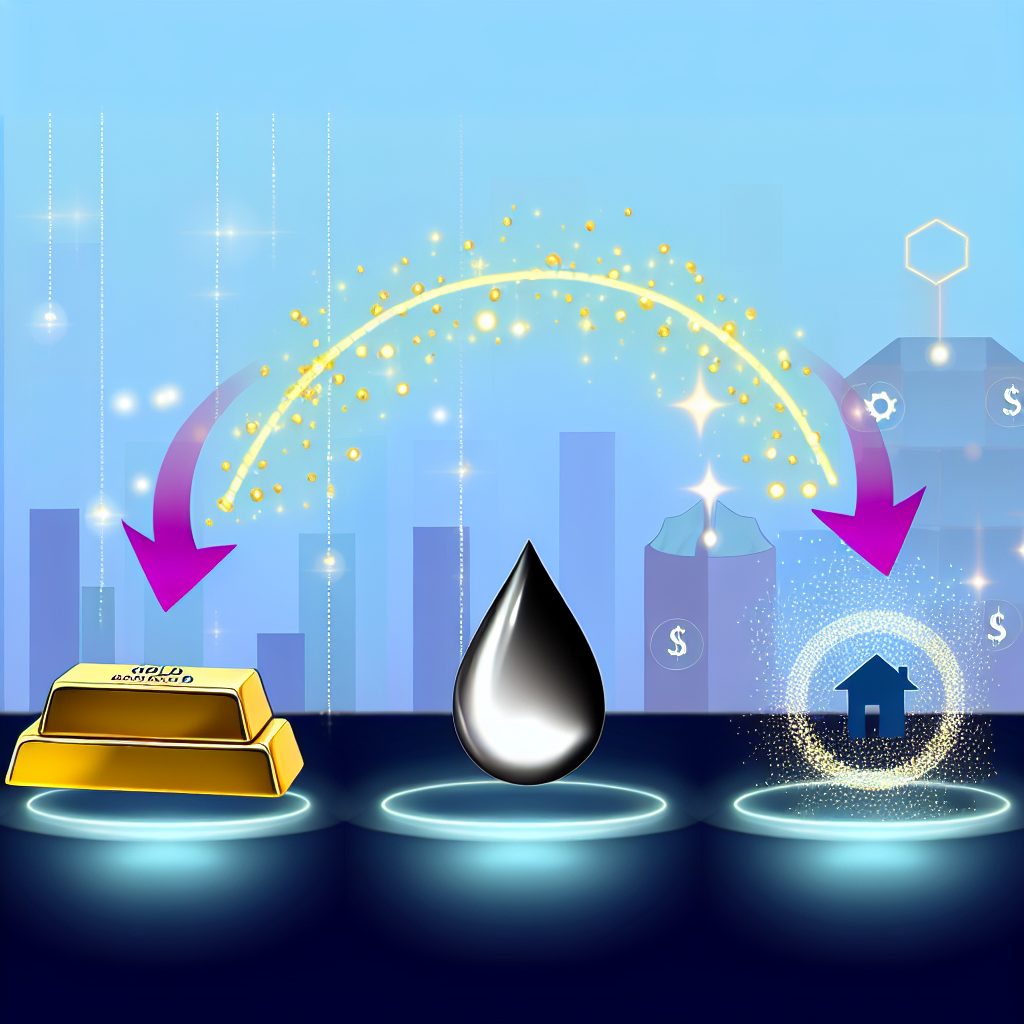
Tokenizing Oil
Oil is another critical asset that can benefit from tokenization. The oil market is often characterized by high volatility and significant barriers to entry. Tokenizing oil allows investors to gain exposure to this market without the complexities of futures contracts or physical storage.
For instance, Etherparty has explored the concept of tokenizing oil through smart contracts, enabling investors to trade oil tokens that represent ownership in physical oil reserves. This innovation could lead to more efficient trading and pricing mechanisms in the oil market.
Tokenizing Real Estate
Real estate is one of the most promising sectors for tokenization. Traditionally, investing in real estate requires significant capital and involves various intermediaries. Tokenization allows for fractional ownership of properties, making real estate investment accessible to a broader audience.
Platforms like RealtyMogul and Treum are leading the charge in tokenizing real estate. These platforms enable investors to purchase tokens representing shares in real estate projects, allowing for diversification and lower investment thresholds.
Challenges and Considerations
While tokenization presents numerous benefits, it also comes with challenges that investors should consider:
- Regulatory Uncertainty: The regulatory landscape for tokenized assets is still evolving, and compliance can be complex.
- Market Volatility: Tokenized assets can be subject to high volatility, similar to cryptocurrencies.
- Security Risks: While blockchain technology is secure, the platforms facilitating tokenization may be vulnerable to hacks or fraud.
- Liquidity Concerns: While tokenization increases liquidity, the actual market for trading these tokens may not be as robust as traditional markets.
Real-World Applications of Tokenization
Tokenization is not just a theoretical concept; it is being implemented in various sectors with tangible results. Here are some notable applications:
- Gold: The Tether Gold (XAUT) token allows investors to own gold digitally, with each token backed by physical gold stored in Swiss vaults.
- Oil: The OilCoin project aims to create a digital currency backed by oil reserves, providing a new way for investors to engage with the oil market.
- Real Estate: The RealtyShares platform allows investors to fund real estate projects through tokenized shares, making real estate investment more accessible.
How to Get Started with Tokenized Assets
For everyday investors looking to explore tokenized assets, here are some steps to consider:
- Research Platforms: Investigate various platforms that offer tokenized assets, focusing on their reputation, security measures, and regulatory compliance.
- Understand the Asset: Familiarize yourself with the underlying asset you are investing in, whether it’s gold, oil, or real estate.
- Diversify Your Portfolio: Consider diversifying your investments across different tokenized assets to mitigate risk.
- Stay Informed: Follow trusted sources for news and updates on tokenization and the cryptocurrency market. Websites like Bitrabo provide valuable insights and price tracking.
FAQs
What is tokenization?
Tokenization is the process of converting physical assets into digital tokens on a blockchain, allowing for fractional ownership and easier trading.
How does tokenization benefit everyday investors?
Tokenization increases liquidity, lowers barriers to entry, enhances transparency, and provides global accessibility to high-value assets.
Are tokenized assets secure?
While blockchain technology is secure, the platforms facilitating tokenization may have vulnerabilities. It’s essential to choose reputable platforms with strong security measures.
What are the risks associated with tokenized assets?
Risks include regulatory uncertainty, market volatility, security risks, and potential liquidity concerns.
How can I invest in tokenized assets?
Investing in tokenized assets involves researching platforms, understanding the underlying assets, diversifying your portfolio, and staying informed about market trends.
Conclusion
Tokenizing gold, oil, and real assets represents a significant shift in how everyday investors can access and invest in these markets. By leveraging blockchain technology, tokenization enhances liquidity, transparency, and accessibility, making it easier for individuals to diversify their investment portfolios.
As the landscape of tokenized assets continues to evolve, staying informed and choosing reputable platforms will be crucial for investors looking to navigate this exciting new frontier. For the latest news and updates on cryptocurrency and tokenization, consider visiting Bitrabo. Follow me on social media for more insights: X, Instagram, Facebook, Threads.
Disclaimer: This article is for informational purposes only and should not be considered financial advice. Always conduct your own research before making investment decisions.
The Crypto Watchlist of the Week 🔎
Subscribe to receive expert-curated projects with real potential—plus trends, risks, and insights that matter. Get handpicked crypto projects, deep analysis & market updates delivered to you.