Could Web3 Kill Uber? The Case for Decentralized Ride-Sharing
The rise of Web3 technology has sparked discussions about its potential to disrupt traditional industries, including ride-sharing services like Uber. As decentralized platforms gain traction, the question arises: could Web3 kill Uber? This article delves into the mechanics of decentralized ride-sharing, the advantages it offers over centralized models, and the implications for the future of transportation.
Understanding Web3 and Its Impact on Industries
Web3 represents the next evolution of the internet, characterized by decentralization, blockchain technology, and user empowerment. Unlike Web2, where data and control are concentrated in the hands of a few corporations, Web3 aims to distribute power among users. This shift has profound implications for various sectors, including finance, social media, and transportation.
The Current State of Ride-Sharing
Ride-sharing platforms like Uber and Lyft have transformed urban transportation by connecting drivers with passengers through mobile applications. However, these centralized models come with several drawbacks:
- High Fees: Drivers often face significant commission fees, reducing their earnings.
- Data Privacy Concerns: Centralized platforms collect vast amounts of user data, raising privacy issues.
- Regulatory Challenges: Ride-sharing companies frequently encounter regulatory hurdles in various jurisdictions.
These challenges create an opportunity for decentralized alternatives to emerge, leveraging blockchain technology to address the shortcomings of traditional ride-sharing models.
Decentralized Ride-Sharing: How It Works
Decentralized ride-sharing platforms operate on blockchain technology, allowing users to connect directly without intermediaries. Here’s how it typically works:
- Smart Contracts: These self-executing contracts facilitate transactions between drivers and passengers, ensuring transparency and trust.
- Cryptocurrency Payments: Users can pay for rides using cryptocurrencies, eliminating the need for traditional banking systems.
- Decentralized Identity Verification: Blockchain can provide secure and verifiable identities for drivers and passengers, enhancing safety.
This model not only reduces costs but also empowers users by giving them more control over their data and earnings.
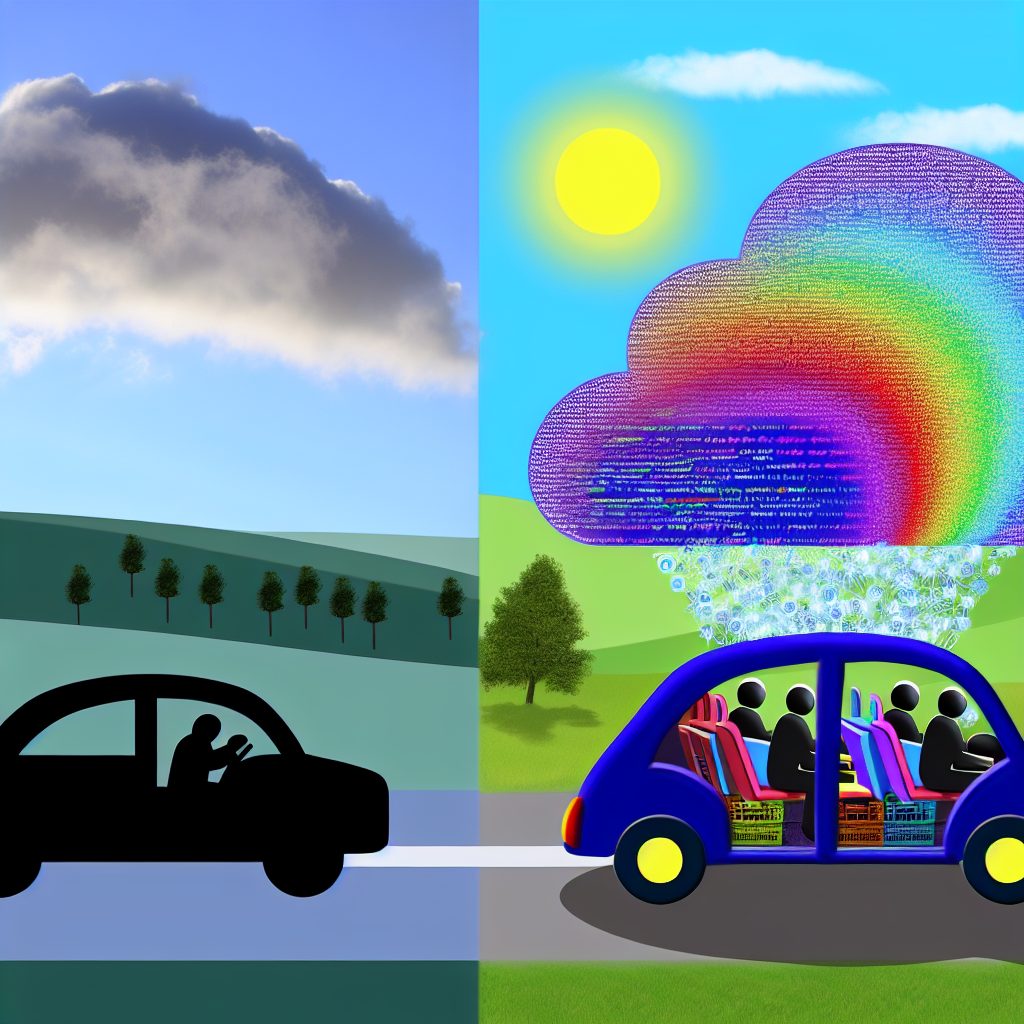
Advantages of Decentralized Ride-Sharing
Decentralized ride-sharing platforms offer several advantages over traditional models:
- Lower Fees: By eliminating intermediaries, decentralized platforms can significantly reduce transaction fees for drivers.
- Enhanced Privacy: Users retain control over their data, reducing the risk of data breaches and misuse.
- Increased Earnings for Drivers: With lower fees and direct payments, drivers can earn more per ride.
- Community Governance: Users can participate in decision-making processes, fostering a sense of ownership and accountability.
Real-World Applications of Decentralized Ride-Sharing
Several projects are already exploring decentralized ride-sharing solutions. Here are a few notable examples:
- Arcade City: This platform allows drivers to set their own prices and connect directly with passengers, using a decentralized model to facilitate rides.
- LaZooz: A community-driven ride-sharing platform that rewards users for providing rides and allows for peer-to-peer transactions.
- RideShare: Utilizing blockchain technology, this platform aims to create a transparent and efficient ride-sharing ecosystem.
These projects demonstrate the feasibility of decentralized ride-sharing and highlight the growing interest in alternatives to traditional models.
Challenges Facing Decentralized Ride-Sharing
While the potential for decentralized ride-sharing is significant, several challenges must be addressed:
- Regulatory Compliance: Navigating the complex regulatory landscape can be difficult for decentralized platforms.
- User Adoption: Convincing users to switch from established platforms to new decentralized alternatives may take time.
- Technology Barriers: Users may face challenges in understanding and using blockchain technology and cryptocurrencies.
Overcoming these challenges will be crucial for the success of decentralized ride-sharing platforms.
The Future of Ride-Sharing in a Decentralized World
The future of ride-sharing could be significantly altered by the adoption of decentralized technologies. As more users become aware of the benefits of decentralized platforms, traditional companies like Uber may face increased competition. Here are some potential scenarios:
- Increased Competition: Decentralized platforms could attract users seeking lower fees and greater privacy, forcing traditional companies to adapt.
- Hybrid Models: Traditional companies may adopt decentralized features to enhance their services and retain users.
- Regulatory Evolution: As decentralized platforms gain traction, regulators may need to adapt their frameworks to accommodate new business models.
The ride-sharing landscape is likely to evolve, with decentralized solutions playing a pivotal role in shaping its future.
FAQs About Decentralized Ride-Sharing
What is decentralized ride-sharing?
Decentralized ride-sharing refers to platforms that use blockchain technology to connect drivers and passengers directly, eliminating intermediaries and reducing costs.
How does blockchain improve ride-sharing?
Blockchain enhances ride-sharing by providing transparency, security, and lower transaction fees through smart contracts and cryptocurrency payments.
Are there any existing decentralized ride-sharing platforms?
Yes, platforms like Arcade City and LaZooz are examples of decentralized ride-sharing solutions that are currently operational.
What are the main challenges for decentralized ride-sharing?
Challenges include regulatory compliance, user adoption, and technology barriers that may hinder widespread acceptance.
Could decentralized ride-sharing replace Uber?
While it is possible that decentralized ride-sharing could disrupt Uber’s business model, the extent of this disruption will depend on user adoption and regulatory responses.
Conclusion
The emergence of Web3 technology presents a compelling case for decentralized ride-sharing as a viable alternative to traditional platforms like Uber. With lower fees, enhanced privacy, and community governance, decentralized solutions have the potential to reshape the transportation landscape. However, challenges such as regulatory compliance and user adoption must be addressed for these platforms to thrive.
As the cryptocurrency industry continues to evolve, keeping an eye on developments in decentralized ride-sharing will be crucial. For the latest news and updates in the crypto space, consider visiting Bitrabo. Follow me on social media for more insights: X, Instagram, Facebook, Threads.
Disclaimer: This article is for informational purposes only and does not constitute financial advice. Always conduct your own research before making investment decisions.
The Crypto Watchlist of the Week 🔎
Subscribe to receive expert-curated projects with real potential—plus trends, risks, and insights that matter. Get handpicked crypto projects, deep analysis & market updates delivered to you.