Music NFTs: How AI and Web3 Return Power to Independent Artists
The music industry has undergone a seismic shift in recent years, driven by technological advancements and changing consumer behaviors. Among these changes, the rise of Music NFTs (Non-Fungible Tokens) has emerged as a revolutionary force, particularly for independent artists. By leveraging the capabilities of AI and Web3 technologies, independent musicians are reclaiming control over their work, monetizing their art in innovative ways, and connecting directly with their fanbase.
Understanding Music NFTs
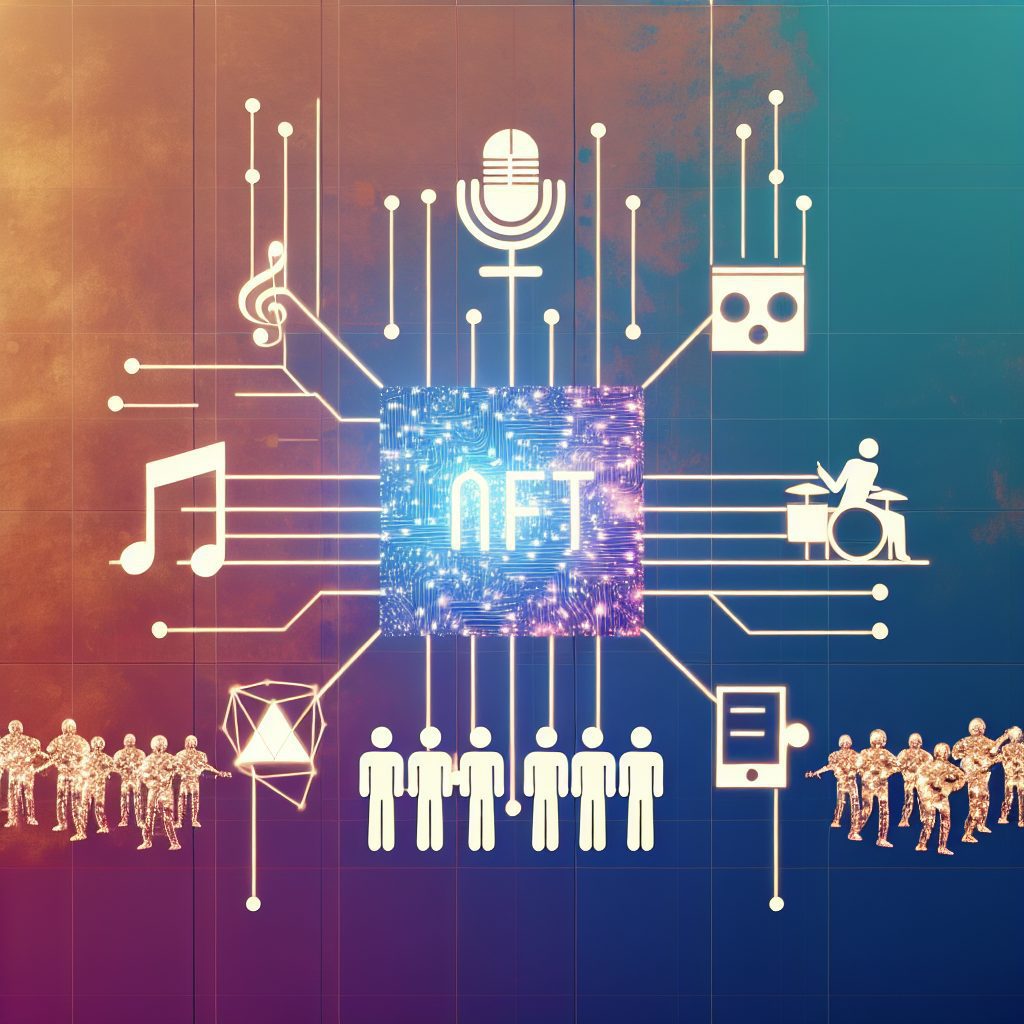
Music NFTs are unique digital assets that represent ownership of a specific piece of music or related content on a blockchain. Unlike traditional music distribution methods, which often involve intermediaries like record labels and streaming platforms, NFTs allow artists to sell their work directly to fans. This direct-to-consumer model not only enhances the artist’s revenue potential but also fosters a deeper connection with their audience.
The Role of AI in Music Creation and Distribution
Artificial Intelligence is transforming the music landscape in several ways:
- Music Composition: AI tools can assist artists in composing music, generating melodies, and even creating entire tracks. Platforms like OpenAI’s MuseNet and AIVA are examples of AI systems that can produce original music.
- Data Analysis: AI algorithms analyze listener preferences and trends, helping artists tailor their music to meet audience demands. This data-driven approach can significantly enhance marketing strategies.
- Personalization: AI can create personalized playlists for listeners, increasing engagement and exposure for independent artists.
Web3: A New Paradigm for Music Distribution
Web3 represents the next generation of the internet, characterized by decentralization and user empowerment. In the context of music, Web3 technologies enable:
- Decentralized Platforms: Artists can distribute their music on decentralized platforms, eliminating the need for traditional intermediaries.
- Smart Contracts: These self-executing contracts automate royalty payments, ensuring artists receive fair compensation for their work.
- Community Engagement: Web3 fosters a sense of community among artists and fans, allowing for collaborative projects and fan-driven initiatives.
Empowering Independent Artists
Independent artists have historically faced numerous challenges in the music industry, including limited access to funding, marketing resources, and distribution channels. Music NFTs and the Web3 ecosystem are changing this narrative:
- Direct Revenue Streams: By selling NFTs, artists can earn a larger share of the profits from their work, bypassing traditional distribution fees.
- Fan Ownership: Fans can purchase NFTs that grant them ownership rights, exclusive content, or even a share in the artist’s future earnings.
- Creative Freedom: Artists can experiment with their music and branding without the constraints imposed by record labels.
Case Studies: Successful Independent Artists Using Music NFTs
Several independent artists have successfully embraced Music NFTs, showcasing the potential of this new model:
1. 3LAU
DJ and producer 3LAU made headlines in 2021 when he sold an NFT album for over $11 million. This groundbreaking sale demonstrated the lucrative potential of Music NFTs and inspired other artists to explore similar avenues.
2. Grimes
Canadian musician Grimes sold a collection of NFTs for nearly $6 million, including exclusive music and artwork. Her success highlighted the growing interest in digital art and music among collectors.
3. Kings of Leon
The rock band Kings of Leon became the first major band to release an album as an NFT. Their initiative included exclusive perks for NFT holders, such as front-row concert tickets and exclusive audiovisual art.
Blockchain Use Cases in the Music Industry
Blockchain technology offers several use cases that enhance the music industry:
- Royalty Tracking: Blockchain can provide transparent tracking of music royalties, ensuring artists receive fair compensation.
- Copyright Protection: Artists can register their work on the blockchain, providing proof of ownership and protecting against copyright infringement.
- Fan Engagement: Blockchain enables artists to create unique experiences for fans, such as exclusive access to content or events through NFT ownership.
Challenges and Considerations
While the potential of Music NFTs is immense, there are challenges that artists must navigate:
- Market Volatility: The NFT market can be unpredictable, with prices fluctuating significantly.
- Environmental Concerns: The energy consumption of some blockchain networks has raised concerns about the environmental impact of NFTs.
- Technical Barriers: Artists may face challenges in understanding and utilizing blockchain technology effectively.
FAQs About Music NFTs
What are Music NFTs?
Music NFTs are unique digital assets that represent ownership of a specific piece of music or related content on a blockchain, allowing artists to sell their work directly to fans.
How do Music NFTs benefit independent artists?
Music NFTs provide independent artists with direct revenue streams, creative freedom, and opportunities for fan engagement, allowing them to monetize their work more effectively.
What role does AI play in the music industry?
AI assists in music composition, data analysis, and personalization, helping artists create music that resonates with their audience and enhances marketing strategies.
Are there any risks associated with Music NFTs?
Yes, risks include market volatility, environmental concerns related to blockchain technology, and potential technical barriers for artists unfamiliar with the technology.
Conclusion
The emergence of Music NFTs, powered by AI and Web3 technologies, is reshaping the music industry landscape. Independent artists are now equipped with tools that allow them to take control of their careers, connect with fans, and monetize their work in unprecedented ways. As the industry continues to evolve, it is essential for artists to stay informed and adapt to these changes to thrive in the new digital economy.
For the latest updates on cryptocurrency and music NFTs, visit Bitrabo. Follow me on social media for more insights: X, Instagram, Facebook, Threads.
Disclaimer: This article is for informational purposes only and does not constitute financial advice. Always conduct your own research before making investment decisions.
The Crypto Watchlist of the Week 🔎
Subscribe to receive expert-curated projects with real potential—plus trends, risks, and insights that matter. Get handpicked crypto projects, deep analysis & market updates delivered to you.