How NFTs Changed the Meaning of Ownership
The rise of Non-Fungible Tokens (NFTs) has revolutionized the concept of ownership in the digital age. Unlike traditional assets, NFTs provide a unique way to represent ownership of digital items, ranging from art and music to virtual real estate and collectibles. This article delves into how NFTs have transformed ownership, the implications for creators and consumers, and the future of this innovative technology in the cryptocurrency industry.
Understanding NFTs
Non-Fungible Tokens are digital assets that represent ownership of a unique item or piece of content on a blockchain. Unlike cryptocurrencies such as Bitcoin or Ethereum, which are fungible and can be exchanged for one another, NFTs are unique and cannot be replaced with something else. This uniqueness is what gives NFTs their value.
Each NFT is stored on a blockchain, which is a decentralized ledger that ensures the authenticity and provenance of the asset. This technology allows for transparent ownership records, making it easy to verify the legitimacy of an NFT.
The Evolution of Ownership
Traditionally, ownership has been defined by physical possession and legal documentation. However, the advent of digital assets has challenged this notion. NFTs have introduced a new paradigm where ownership is not just about having a physical item but also about having a verifiable digital certificate of authenticity.
Here are some key ways NFTs have changed the meaning of ownership:
- Digital Scarcity: NFTs create scarcity in the digital world, allowing creators to limit the number of copies of their work. This scarcity can drive up demand and value.
- Provenance and Authenticity: The blockchain provides a transparent record of ownership, making it easy to trace the history of an NFT and verify its authenticity.
- Decentralization: Ownership is no longer tied to centralized platforms or institutions. Individuals can buy, sell, and trade NFTs directly with one another.
- New Revenue Streams: Creators can earn royalties on secondary sales of their NFTs, providing ongoing income opportunities.
The Impact on Creators and Artists
NFTs have opened up new avenues for artists and creators to monetize their work. In the past, artists often relied on galleries or record labels to sell their creations, which could limit their earnings and control over their work. With NFTs, artists can sell directly to consumers, retaining a larger share of the profits.
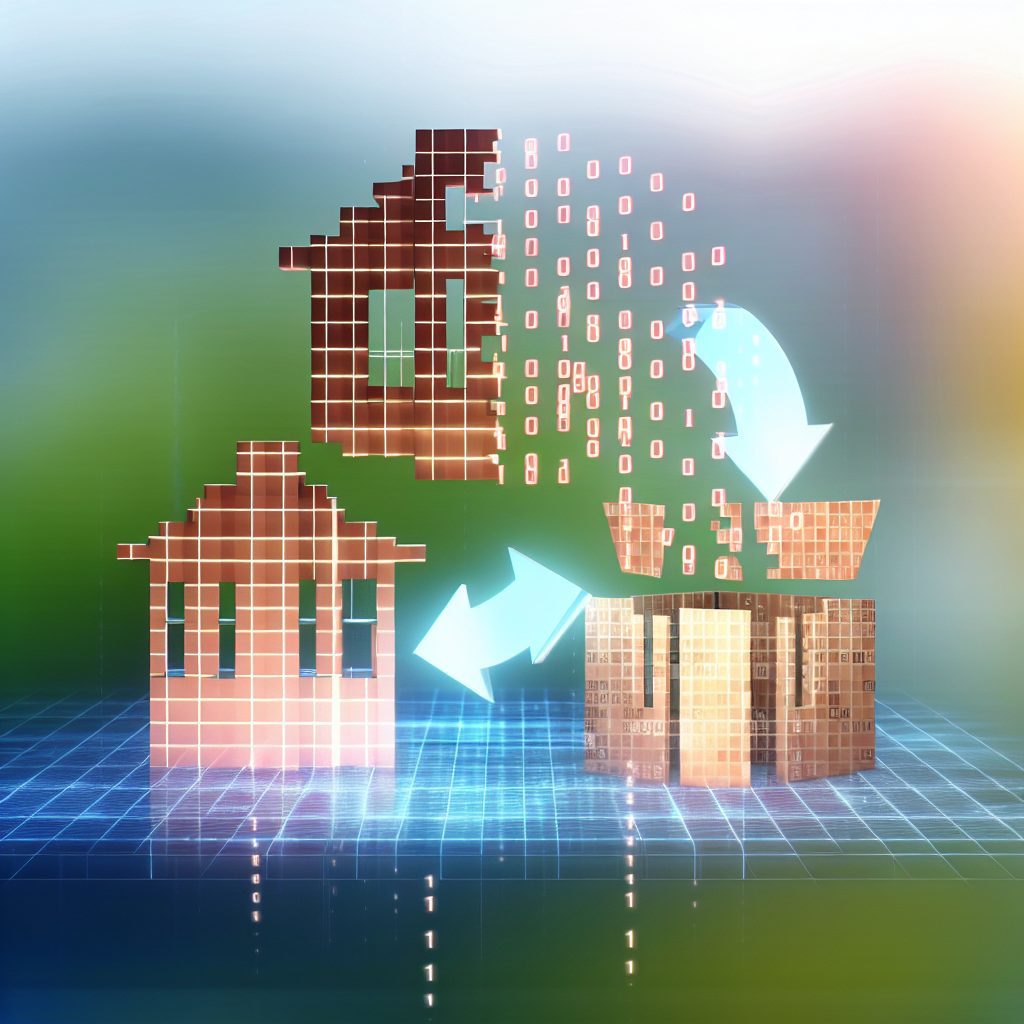
For example, digital artist Beeple made headlines when his NFT artwork sold for $69 million at a Christie’s auction. This sale not only highlighted the potential value of digital art but also demonstrated how NFTs can empower artists to reach a global audience without intermediaries.
Case Studies in NFT Ownership
Several high-profile cases illustrate the transformative power of NFTs in redefining ownership:
1. NBA Top Shot
NBA Top Shot is a blockchain-based platform that allows fans to buy, sell, and trade officially licensed NBA collectible highlights. Each highlight is represented as an NFT, giving fans ownership of unique moments in basketball history. The platform has generated millions in sales, showcasing how NFTs can create new markets for sports memorabilia.
2. Virtual Real Estate in Decentraland
Decentraland is a virtual reality platform where users can buy, develop, and sell parcels of virtual land as NFTs. Ownership of virtual real estate allows users to create experiences, host events, and even generate income through virtual businesses. This concept challenges traditional notions of property ownership and opens up new possibilities for digital entrepreneurship.
3. Music and NFTs
Musicians are also leveraging NFTs to redefine ownership in the music industry. Artists like Grimes and Kings of Leon have released music as NFTs, allowing fans to own exclusive tracks, artwork, and experiences. This shift empowers artists to connect directly with their audience and retain more control over their work.
The Role of Blockchain Technology
Blockchain technology is the backbone of NFTs, providing the infrastructure necessary for secure and transparent ownership. Each NFT is created through a process called minting, where the digital asset is registered on the blockchain. This process ensures that the NFT is unique and cannot be duplicated.
Smart contracts, which are self-executing contracts with the terms of the agreement directly written into code, play a crucial role in the NFT ecosystem. They automate transactions and ensure that creators receive royalties on secondary sales, further enhancing the value of ownership.
Challenges and Considerations
While NFTs offer exciting opportunities, they also come with challenges that need to be addressed:
- Environmental Concerns: The energy consumption associated with blockchain networks, particularly those using proof-of-work mechanisms, has raised concerns about the environmental impact of NFTs.
- Market Volatility: The NFT market can be highly speculative, with prices fluctuating dramatically. This volatility can pose risks for both buyers and sellers.
- Copyright Issues: The ownership of an NFT does not necessarily confer copyright or intellectual property rights. Buyers must understand what rights they are acquiring when purchasing an NFT.
The Future of Ownership with NFTs
The future of ownership in the digital realm is likely to be shaped by the continued evolution of NFTs. As technology advances, we can expect to see:
- Increased Adoption: More industries, including fashion, gaming, and real estate, are likely to adopt NFTs as a means of ownership and transaction.
- Interoperability: Future developments may enable NFTs to be used across different platforms and ecosystems, enhancing their utility and value.
- Enhanced User Experience: As the technology matures, user interfaces and experiences will improve, making it easier for individuals to create, buy, and sell NFTs.
FAQs About NFTs and Ownership
What is an NFT?
An NFT, or Non-Fungible Token, is a unique digital asset that represents ownership of a specific item or piece of content on a blockchain.
How do NFTs work?
NFTs work by using blockchain technology to create a verifiable record of ownership. Each NFT is minted on a blockchain, ensuring its uniqueness and authenticity.
Can I sell my NFT?
Yes, you can sell your NFT on various marketplaces that support NFT transactions. The sale can be conducted directly between buyers and sellers.
What are the benefits of owning an NFT?
Owning an NFT provides you with verifiable ownership of a unique digital asset, potential investment opportunities, and access to exclusive content or experiences.
Are NFTs environmentally friendly?
The environmental impact of NFTs depends on the blockchain they are built on. Some blockchains use energy-intensive proof-of-work mechanisms, while others are more energy-efficient.
Conclusion
NFTs have fundamentally changed the meaning of ownership in the digital world. By providing a way to verify authenticity and ownership of unique digital assets, NFTs empower creators and consumers alike. As the technology continues to evolve, we can expect to see even more innovative applications that challenge traditional notions of ownership.
For the latest news and updates in the cryptocurrency space, including NFTs, visit Bitrabo. Follow me on social media for more insights: X, Instagram, Facebook, Threads.
Disclaimer: This article is for informational purposes only and should not be considered financial advice. Always do your own research before investing in cryptocurrencies or NFTs.
The Crypto Watchlist of the Week 🔎
Subscribe to receive expert-curated projects with real potential—plus trends, risks, and insights that matter. Get handpicked crypto projects, deep analysis & market updates delivered to you.