Understanding Decentralized Identity Wallets in the Cryptocurrency Industry
The rise of blockchain technology has transformed various sectors, and one of the most promising innovations is the concept of decentralized identity wallets. These wallets are designed to give users control over their personal information, enhancing privacy and security in an increasingly digital world. This article delves into what decentralized identity wallets are, how they function, their benefits, and their implications for the cryptocurrency industry.
What is a Decentralized Identity Wallet?
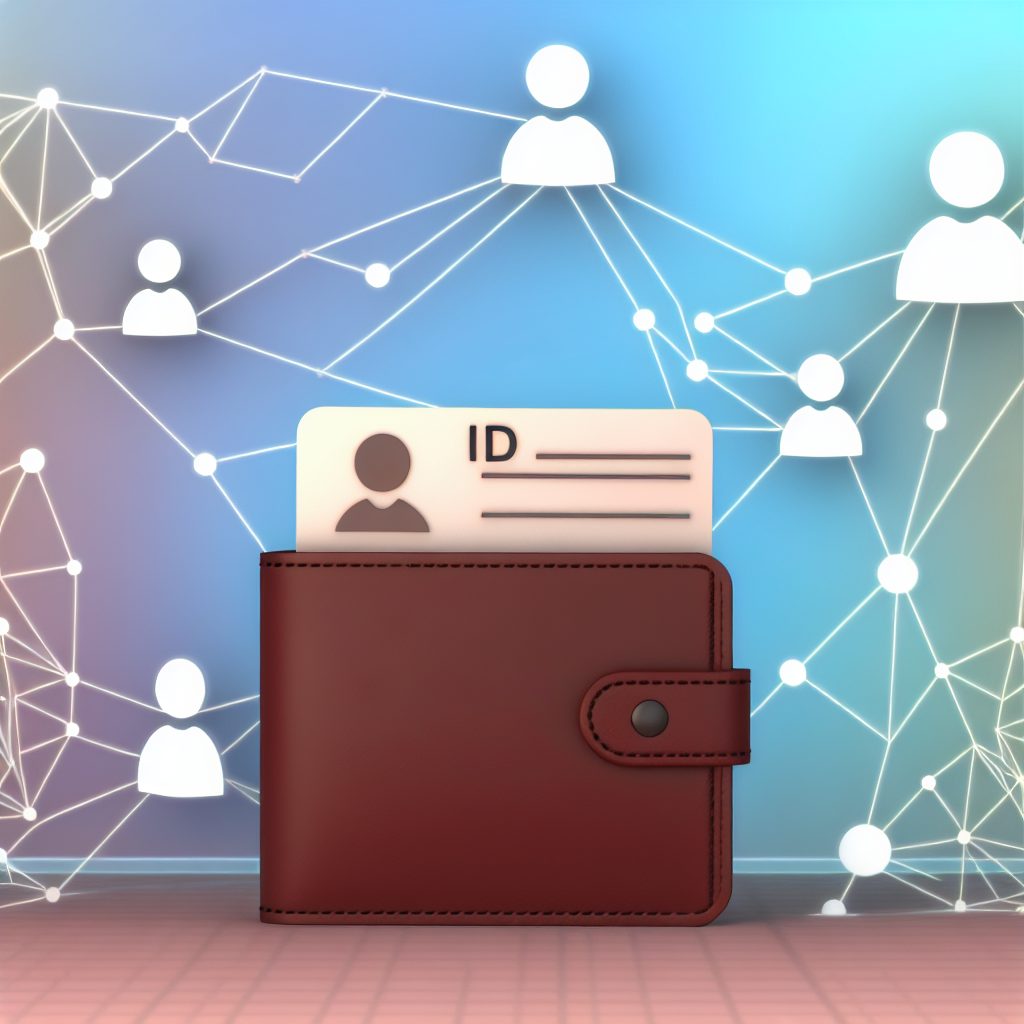
A decentralized identity wallet is a digital tool that allows individuals to manage their personal identity information securely and privately. Unlike traditional identity systems, which rely on centralized authorities to verify and store personal data, decentralized identity wallets leverage blockchain technology to provide users with full control over their information.
In essence, these wallets enable users to create, store, and share their digital identities without the need for intermediaries. This is particularly important in the cryptocurrency space, where anonymity and security are paramount.
How Do Decentralized Identity Wallets Work?
Decentralized identity wallets operate on the principles of blockchain technology, cryptography, and self-sovereign identity (SSI). Here’s a breakdown of how they function:
- Self-Sovereign Identity: Users own and control their identity data, which is stored on a blockchain. This means they can decide what information to share and with whom.
- Cryptographic Security: Personal data is encrypted, ensuring that only the user can access it. This reduces the risk of data breaches common in centralized systems.
- Decentralized Verification: Instead of relying on a central authority, identity verification is done through a network of nodes on the blockchain, making it more secure and resilient.
- Interoperability: Many decentralized identity wallets are designed to work across different platforms and services, allowing users to use their identities seamlessly.
Benefits of Decentralized Identity Wallets
Decentralized identity wallets offer numerous advantages, particularly in the context of the cryptocurrency industry:
- Enhanced Privacy: Users can maintain their anonymity while engaging in transactions, protecting their personal information from prying eyes.
- Reduced Fraud: The use of cryptographic techniques makes it difficult for malicious actors to impersonate users or manipulate identity data.
- Greater Control: Users have the power to manage their identity data, deciding what to share and with whom, thus minimizing the risk of identity theft.
- Cost Efficiency: By eliminating intermediaries, decentralized identity wallets can reduce costs associated with identity verification processes.
- Global Accessibility: These wallets can be accessed from anywhere in the world, providing individuals in underserved regions with access to identity services.
Use Cases of Decentralized Identity Wallets
Decentralized identity wallets have a wide range of applications across various sectors. Here are some notable use cases:
1. Financial Services
In the cryptocurrency industry, decentralized identity wallets can streamline Know Your Customer (KYC) processes. By allowing users to share verified identity information without exposing sensitive data, financial institutions can enhance compliance while improving user experience.
2. Healthcare
Patients can use decentralized identity wallets to manage their health records securely. They can share their medical history with healthcare providers without compromising their privacy, ensuring that only authorized personnel have access to sensitive information.
3. Voting Systems
Decentralized identity wallets can facilitate secure and transparent voting processes. Voters can verify their identities without revealing personal information, thus enhancing the integrity of elections.
4. Travel and Tourism
Travelers can use decentralized identity wallets to manage their travel documents, such as passports and visas. This can simplify the check-in process at airports and border controls while ensuring that personal data remains secure.
Challenges and Considerations
While decentralized identity wallets offer significant benefits, there are also challenges that need to be addressed:
- Regulatory Compliance: As governments and regulatory bodies develop frameworks for digital identities, decentralized identity wallets must adapt to comply with these regulations.
- User Adoption: For decentralized identity wallets to be effective, widespread adoption is necessary. This requires education and awareness among users.
- Technical Complexity: The technology behind decentralized identity wallets can be complex, which may deter some users from adopting them.
Real-World Implementations of Decentralized Identity Wallets
Several projects and companies are leading the way in implementing decentralized identity wallets:
1. Sovrin
Sovrin is a global public utility for self-sovereign identity. It provides a decentralized network where users can create and manage their digital identities securely. Sovrin’s approach emphasizes privacy and user control, making it a leading example in the space.
2. uPort
uPort is a decentralized identity platform that allows users to create a digital identity on the Ethereum blockchain. Users can manage their identity data and share it with service providers without compromising their privacy.
3. Microsoft’s ION
Microsoft has developed ION, a decentralized identity network built on the Bitcoin blockchain. ION enables users to create and manage their digital identities while ensuring security and privacy.
Statistics on Decentralized Identity Adoption
The adoption of decentralized identity solutions is on the rise. According to a report by the Forbes, the global decentralized identity market is expected to grow significantly, reaching a valuation of over $30 billion by 2025. This growth is driven by increasing concerns over data privacy and security.
Frequently Asked Questions (FAQs)
What is the difference between a decentralized identity wallet and a traditional wallet?
A traditional wallet typically stores cryptocurrencies and may not provide features for managing personal identity data. In contrast, a decentralized identity wallet focuses on securely managing and sharing personal identity information while allowing users to control their data.
Are decentralized identity wallets secure?
Yes, decentralized identity wallets use advanced cryptographic techniques to secure personal data. However, users must also take precautions, such as using strong passwords and enabling two-factor authentication.
Can I use a decentralized identity wallet for multiple services?
Yes, many decentralized identity wallets are designed to be interoperable, allowing users to use their identities across various platforms and services.
How do I choose a decentralized identity wallet?
When selecting a decentralized identity wallet, consider factors such as security features, user interface, compatibility with other services, and community support. Researching user reviews and expert opinions can also help in making an informed decision.
Conclusion
Decentralized identity wallets represent a significant advancement in how individuals manage their personal information in the digital age. By leveraging blockchain technology, these wallets provide enhanced privacy, security, and control over identity data. As the cryptocurrency industry continues to evolve, the adoption of decentralized identity solutions is likely to grow, paving the way for a more secure and user-centric digital landscape.
For the latest updates on cryptocurrency news and price tracking, visit Bitrabo. Stay connected with me on social media: X, Instagram, and Threads.
Disclaimer: The information provided in this article is for informational purposes only and should not be considered financial advice. Always conduct your own research before making investment decisions.
The Crypto Watchlist of the Week 🔎
Subscribe to receive expert-curated projects with real potential—plus trends, risks, and insights that matter. Get handpicked crypto projects, deep analysis & market updates delivered to you.