How Web3 Gives You Digital Ownership
The evolution of the internet has brought forth a new paradigm known as Web3, which fundamentally changes how we interact with digital assets. At the heart of this transformation lies the concept of digital ownership, a principle that empowers individuals by granting them control over their online identities, assets, and data. This article delves into how Web3, particularly through the lens of the cryptocurrency industry, facilitates true digital ownership.
Understanding Web3
Web3 represents the third generation of the internet, characterized by decentralization, blockchain technology, and user empowerment. Unlike its predecessors, Web1 and Web2, which were primarily about information sharing and social interaction, Web3 focuses on creating a more equitable digital ecosystem. Here are some key features of Web3:
- Decentralization: Unlike traditional platforms that rely on centralized servers, Web3 applications operate on decentralized networks, reducing the risk of censorship and control by a single entity.
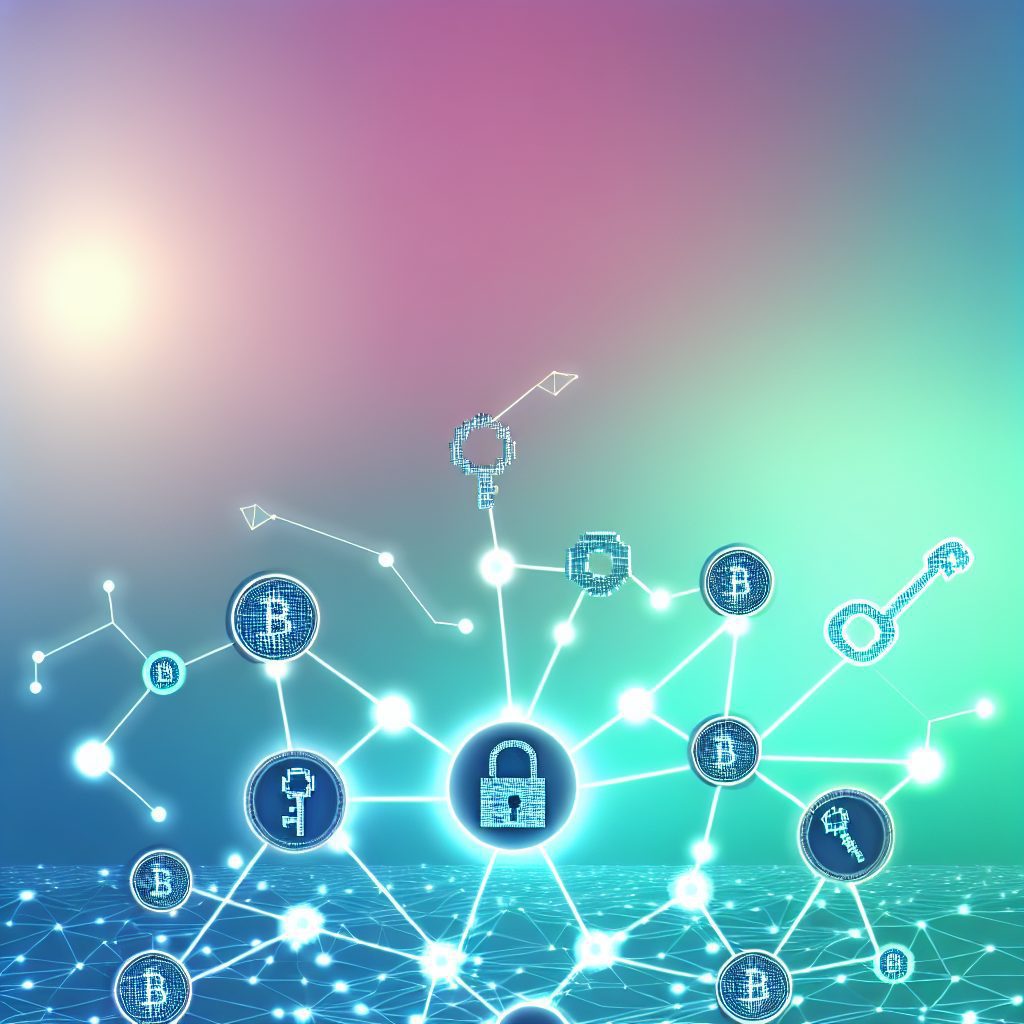
- Blockchain Technology: This technology underpins Web3, providing a transparent and secure way to record transactions and ownership.
- User Empowerment: Users have greater control over their data and digital assets, allowing them to participate in the economy on their terms.
The Role of Cryptocurrency in Digital Ownership
Cryptocurrencies are a cornerstone of the Web3 ecosystem, enabling users to own and trade digital assets securely. Here’s how cryptocurrencies contribute to digital ownership:
- Tokenization: Assets can be tokenized on the blockchain, allowing for fractional ownership and easier transferability. For example, real estate can be divided into tokens, enabling multiple investors to own a share.
- Smart Contracts: These self-executing contracts facilitate transactions without intermediaries, ensuring that ownership transfers are secure and transparent.
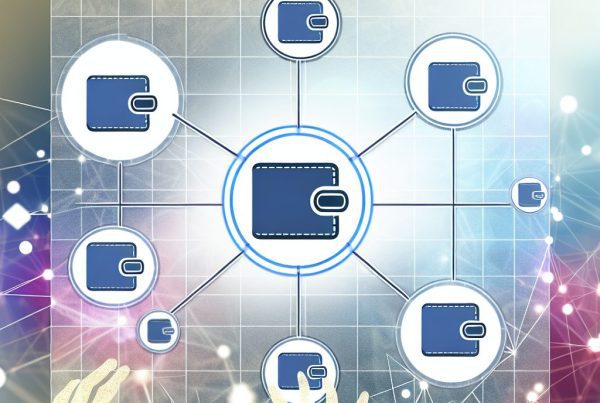
- Digital Wallets: Users can store their cryptocurrencies and tokens in digital wallets, providing them with direct control over their assets.
Decentralized Finance (DeFi) and Ownership
Decentralized Finance (DeFi) is a significant aspect of Web3 that enhances digital ownership. DeFi platforms allow users to lend, borrow, and trade assets without traditional financial institutions. Here’s how DeFi promotes ownership:
- Access to Financial Services: Users can access financial services directly through their wallets, eliminating the need for banks and intermediaries.
- Yield Farming: Users can earn interest on their assets by providing liquidity to DeFi protocols, thus gaining ownership of their financial growth.
- Governance Tokens: Many DeFi projects issue governance tokens that give holders voting rights on protocol changes, allowing them to influence the direction of the platform.
Non-Fungible Tokens (NFTs) and Digital Ownership
Non-Fungible Tokens (NFTs) have revolutionized the concept of ownership in the digital realm. Unlike cryptocurrencies, which are fungible and can be exchanged for one another, NFTs are unique digital assets that represent ownership of specific items or content. Here’s how NFTs enhance digital ownership:
- Provenance and Authenticity: NFTs provide a verifiable record of ownership and authenticity, making them ideal for art, collectibles, and intellectual property.
- Creator Royalties: Artists can embed royalties into their NFTs, ensuring they receive a percentage of sales whenever their work is resold.
- Community Engagement: NFT holders often gain access to exclusive content, events, and communities, fostering a sense of ownership beyond mere possession.
Real-World Applications of Digital Ownership
Several projects exemplify how Web3 and digital ownership are being implemented in the real world. Here are a few notable examples:
1. Decentraland
Decentraland is a virtual reality platform powered by the Ethereum blockchain, where users can buy, develop, and sell parcels of virtual land as NFTs. This platform allows users to create unique experiences and monetize their virtual properties, showcasing the potential of digital ownership in virtual environments.
2. OpenSea
OpenSea is one of the largest NFT marketplaces, enabling users to buy, sell, and trade NFTs across various categories, including art, music, and gaming. The platform exemplifies how digital ownership can be democratized, allowing creators and collectors to engage directly without intermediaries.
3. Axie Infinity
Axie Infinity is a blockchain-based game where players can breed, raise, and battle fantasy creatures called Axies. Players own their Axies as NFTs, which can be traded or sold, creating a play-to-earn model that empowers users through digital ownership.
Challenges to Digital Ownership in Web3
While Web3 offers significant advantages in terms of digital ownership, it also faces several challenges:
- Regulatory Uncertainty: Governments worldwide are still grappling with how to regulate cryptocurrencies and digital assets, which can impact ownership rights.
- Security Risks: The decentralized nature of Web3 can expose users to security vulnerabilities, such as hacks and scams.
- User Experience: Many Web3 applications require a certain level of technical knowledge, which can be a barrier for mainstream adoption.
Future of Digital Ownership in Web3
The future of digital ownership in Web3 looks promising as more individuals and businesses recognize the value of decentralization and blockchain technology. Here are some trends to watch:
- Increased Adoption: As more users become familiar with cryptocurrencies and blockchain technology, the demand for digital ownership solutions will grow.
- Interoperability: Future developments may focus on creating seamless interactions between different blockchain networks, enhancing the user experience.
- Integration with Traditional Systems: As Web3 matures, we may see greater integration with traditional financial systems, allowing for a hybrid approach to ownership.
FAQs about Digital Ownership in Web3
What is digital ownership in the context of Web3?
Digital ownership in Web3 refers to the ability of individuals to own and control their digital assets, identities, and data through decentralized technologies like blockchain and cryptocurrencies.
How do NFTs contribute to digital ownership?
NFTs provide a unique way to represent ownership of digital assets, ensuring authenticity and provenance while allowing creators to earn royalties on their work.
What are the risks associated with digital ownership in Web3?
Risks include regulatory uncertainty, security vulnerabilities, and the technical complexity of using decentralized applications.
How can I get started with digital ownership?
To get started, you can create a digital wallet, explore cryptocurrency exchanges, and engage with NFT marketplaces to begin acquiring and managing your digital assets.
Conclusion
Web3 is reshaping the landscape of digital ownership, empowering individuals with unprecedented control over their assets and identities. Through the use of cryptocurrencies, NFTs, and decentralized applications, users can engage in a more equitable digital economy. As the technology continues to evolve, the potential for digital ownership will expand, offering new opportunities for creators and consumers alike. For the latest updates on cryptocurrency news and price tracking, visit Bitrabo. Stay connected with me on social media: X, Instagram, Facebook, and Threads.
Disclaimer: This article is for informational purposes only and should not be considered financial advice. Always conduct your own research before making investment decisions.
The Crypto Watchlist of the Week 🔎
Subscribe to receive expert-curated projects with real potential—plus trends, risks, and insights that matter. Get handpicked crypto projects, deep analysis & market updates delivered to you.