Blockchain Timestamps and Copyright: Can Web3 End Intellectual Property Abuse?
The rise of blockchain technology has sparked a revolution across various industries, particularly in the realm of intellectual property (IP). As the cryptocurrency industry continues to evolve, the integration of blockchain timestamps offers a promising solution to combat copyright infringement and intellectual property abuse. This article delves into how Web3 can reshape the landscape of copyright protection, providing a comprehensive overview of the mechanisms involved, real-world applications, and the potential for a more equitable digital economy.
Understanding Blockchain Technology
At its core, blockchain is a decentralized ledger technology that records transactions across multiple computers in a way that ensures the security and transparency of data. Each transaction is grouped into blocks, which are then linked together in chronological order, creating a chain of information that is immutable and tamper-proof.
Key features of blockchain technology include:
- Decentralization: Unlike traditional databases, blockchain operates on a peer-to-peer network, eliminating the need for a central authority.
- Transparency: All transactions are visible to participants in the network, fostering trust and accountability.
- Immutability: Once data is recorded on the blockchain, it cannot be altered or deleted, ensuring the integrity of information.
The Challenge of Intellectual Property Abuse
Intellectual property abuse has become a pressing issue in the digital age. Creators often face challenges in protecting their work from unauthorized use, duplication, and distribution. Traditional copyright systems can be cumbersome, slow, and expensive, leaving many creators vulnerable to infringement.
Statistics reveal the extent of the problem:
- According to the World Intellectual Property Organization (WIPO), global losses from counterfeiting and piracy are estimated to reach $4.2 trillion annually.
- A survey by the UK Intellectual Property Office found that 40% of businesses reported experiencing IP theft.
How Blockchain Timestamps Work
Blockchain timestamps provide a reliable method for establishing the creation date and ownership of digital assets. When a creator uploads their work to a blockchain, a unique hash is generated, representing the content. This hash is then recorded on the blockchain along with a timestamp, creating an immutable record of the work’s existence at a specific time.
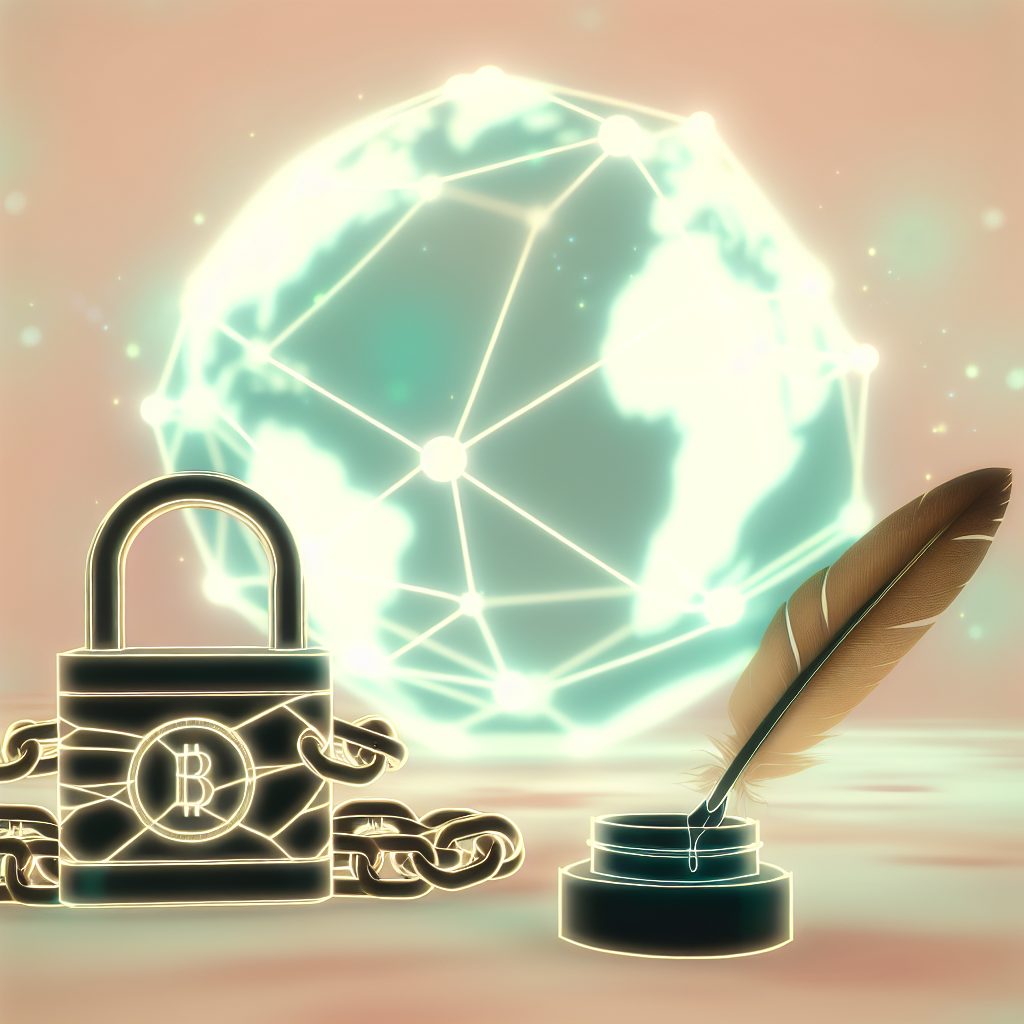
The process can be broken down into several steps:
- Creation: A creator produces a digital asset, such as an artwork, music track, or written content.
- Hashing: The digital asset is hashed using cryptographic algorithms, generating a unique identifier.
- Timestamping: The hash is recorded on the blockchain with a timestamp, establishing proof of creation.
- Verification: Anyone can verify the existence and ownership of the asset by checking the blockchain.
Benefits of Using Blockchain for Copyright Protection
Integrating blockchain technology into copyright protection offers several advantages:
- Enhanced Security: The decentralized nature of blockchain makes it resistant to hacking and unauthorized alterations.
- Cost-Effective: By eliminating intermediaries, blockchain reduces the costs associated with copyright registration and enforcement.
- Global Accessibility: Blockchain operates on a global scale, allowing creators to protect their work across borders.
- Real-Time Tracking: Creators can monitor the use of their work in real-time, enabling swift action against infringement.
Real-World Applications of Blockchain in Copyright Protection
Several projects and platforms are leveraging blockchain technology to address copyright issues effectively. Here are notable examples:
1. Audius
Audius is a decentralized music streaming platform that empowers artists by allowing them to publish their music directly on the blockchain. By using blockchain timestamps, Audius ensures that artists retain ownership of their work and receive fair compensation for their contributions. The platform eliminates intermediaries, enabling artists to connect directly with their audience.
2. Ascribe
Ascribe is a platform that allows creators to register their digital works on the blockchain. By providing a timestamp and proof of ownership, Ascribe helps artists protect their intellectual property rights. The platform also facilitates the licensing and sale of digital assets, ensuring that creators receive proper recognition and compensation.
3. Myco
Myco is a blockchain-based platform designed for photographers and visual artists. It allows users to register their images on the blockchain, providing a timestamp and proof of ownership. Myco also offers tools for licensing and selling images, ensuring that artists can monetize their work while maintaining control over its use.
Challenges and Limitations of Blockchain in Copyright Protection
While blockchain technology presents significant opportunities for copyright protection, it is not without challenges:
- Legal Recognition: The legal framework surrounding blockchain timestamps and copyright is still evolving, and many jurisdictions have yet to recognize blockchain as a valid form of proof.
- Technical Barriers: Not all creators are tech-savvy, and the complexity of blockchain technology may deter some from utilizing it.
- Scalability Issues: As the number of transactions increases, some blockchain networks may face scalability challenges, impacting their efficiency.
The Future of Copyright Protection in Web3
The emergence of Web3, characterized by decentralized applications and user-centric platforms, holds immense potential for transforming copyright protection. As more creators adopt blockchain technology, the landscape of intellectual property rights is likely to shift significantly.
Key trends to watch include:
- Increased Adoption: As awareness of blockchain’s benefits grows, more creators will likely embrace this technology for copyright protection.
- Interoperability: Future developments may focus on creating interoperable systems that allow different blockchains to communicate, enhancing the overall efficiency of copyright protection.
- Regulatory Frameworks: Governments and regulatory bodies are expected to establish clearer guidelines for the use of blockchain in copyright, providing legal certainty for creators.
FAQs
What is a blockchain timestamp?
A blockchain timestamp is a record of when a specific transaction or piece of data was added to the blockchain. It provides proof of existence and ownership at a particular time.
How does blockchain help with copyright protection?
Blockchain helps protect copyright by providing an immutable record of ownership and creation, allowing creators to establish proof of their work and track its use in real-time.
Are there any legal challenges to using blockchain for copyright?
Yes, the legal recognition of blockchain timestamps as valid proof of copyright is still evolving, and many jurisdictions have yet to establish clear guidelines.
Can anyone access blockchain records?
Yes, blockchain records are publicly accessible, allowing anyone to verify the existence and ownership of a digital asset.
Conclusion
The integration of blockchain timestamps into copyright protection represents a significant advancement in the fight against intellectual property abuse. By providing a secure, transparent, and cost-effective solution, blockchain technology empowers creators to protect their work and receive fair compensation. As the cryptocurrency industry continues to evolve, the potential for Web3 to reshape the landscape of copyright protection is immense.
For those interested in staying updated on the latest developments in the crypto space, platforms like Bitrabo offer valuable insights and price tracking. Follow me on social media for more updates: X, Instagram, Facebook, Threads.
Disclaimer: The information provided in this article is for informational purposes only and should not be considered financial or legal advice. Always conduct your own research before making any investment decisions.
The Crypto Watchlist of the Week 🔎
Subscribe to receive expert-curated projects with real potential—plus trends, risks, and insights that matter. Get handpicked crypto projects, deep analysis & market updates delivered to you.