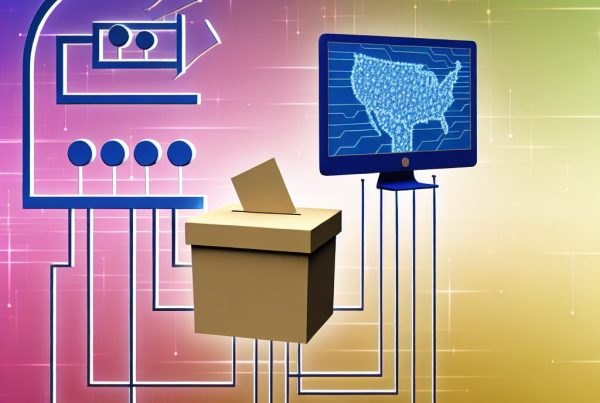
How Blockchain Enables Data Provenance in the Cryptocurrency Industry
The cryptocurrency industry has witnessed a remarkable transformation over the past decade, driven by the advent of blockchain technology. One of the most compelling features of blockchain is its ability to provide data provenance, which refers to the ability to trace the origin and history of data. This capability is crucial in an industry where trust, transparency, and security are paramount. In this article, we will delve into how blockchain enables data provenance, its significance in the cryptocurrency sector, and real-world applications that illustrate its impact.
Understanding Data Provenance
Data provenance is the process of documenting the history of data, including its origins, movements, and transformations. In the context of blockchain, data provenance ensures that every transaction is recorded in a secure, immutable ledger. This transparency allows stakeholders to verify the authenticity and integrity of data without relying on a central authority.
In the cryptocurrency industry, data provenance plays a vital role in establishing trust among users, investors, and regulators. By providing a clear and verifiable history of transactions, blockchain technology mitigates the risks associated with fraud, double-spending, and data manipulation.
The Role of Blockchain in Data Provenance
Blockchain technology is fundamentally designed to enhance data provenance through several key features:
- Decentralization: Unlike traditional databases that are controlled by a single entity, blockchain operates on a decentralized network of nodes. This means that no single party has control over the entire system, reducing the risk of data tampering.
- Immutability: Once data is recorded on a blockchain, it cannot be altered or deleted. This immutability ensures that the transaction history remains intact and can be audited at any time.
- Transparency: All transactions on a blockchain are visible to all participants in the network. This transparency fosters trust among users, as they can independently verify the authenticity of transactions.
- Traceability: Blockchain allows for the tracking of assets and transactions from their origin to their current state. This traceability is essential for verifying the legitimacy of cryptocurrencies and other digital assets.
Importance of Data Provenance in Cryptocurrency
Data provenance is particularly important in the cryptocurrency industry for several reasons:
- Fraud Prevention: The decentralized nature of blockchain helps prevent fraudulent activities such as double-spending and identity theft. Users can verify the authenticity of transactions without relying on intermediaries.
- Regulatory Compliance: As governments and regulatory bodies increasingly scrutinize the cryptocurrency market, data provenance provides a means for companies to demonstrate compliance with legal requirements.
- Enhanced Security: The cryptographic techniques used in blockchain ensure that data is secure and tamper-proof. This security is crucial for protecting sensitive financial information.
- Building Trust: By providing a transparent and verifiable history of transactions, blockchain fosters trust among users, investors, and stakeholders in the cryptocurrency ecosystem.
Real-World Applications of Data Provenance in Cryptocurrency
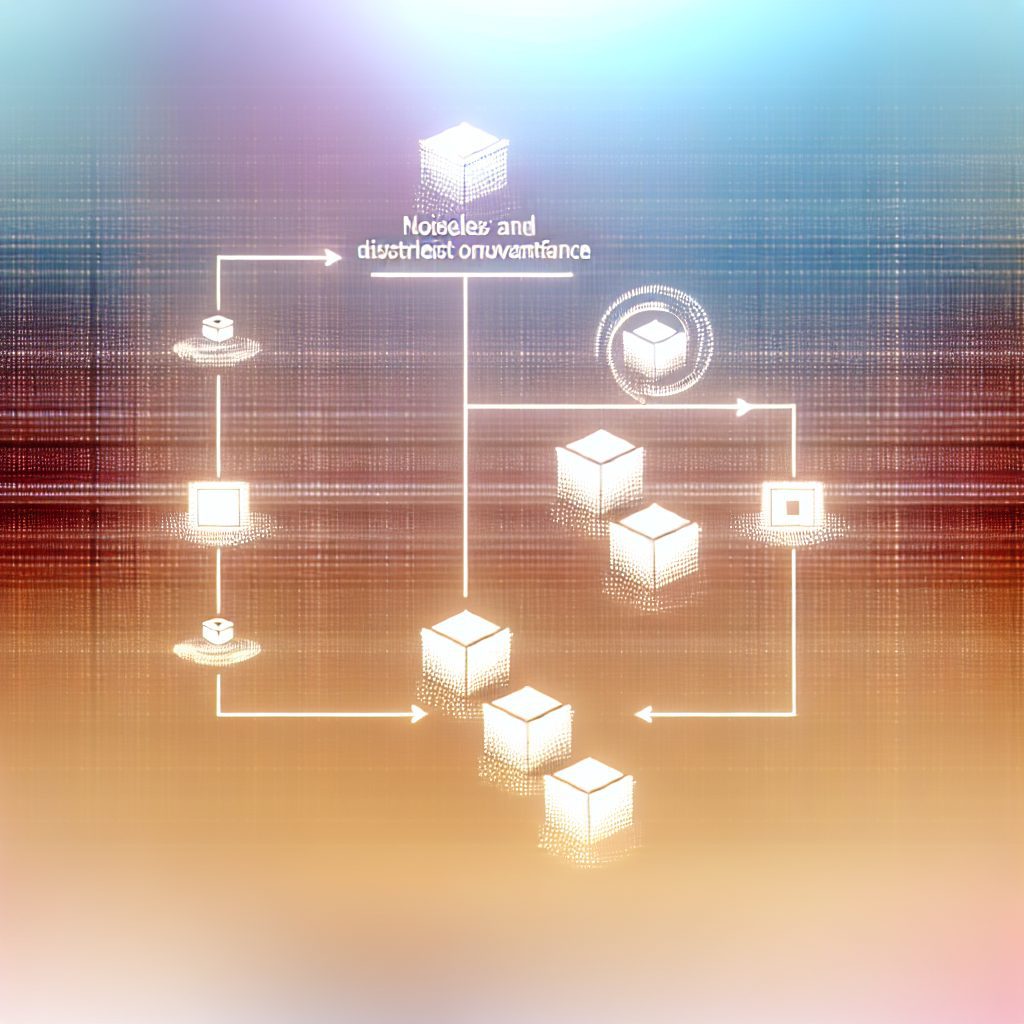
Several projects and platforms in the cryptocurrency industry are leveraging blockchain technology to enhance data provenance. Here are some notable examples:
1. Bitcoin
Bitcoin, the first and most well-known cryptocurrency, utilizes blockchain technology to provide a transparent and immutable ledger of all transactions. Each Bitcoin transaction is recorded on the blockchain, allowing users to trace the history of their coins back to their origin. This traceability is essential for preventing fraud and ensuring the legitimacy of transactions.
2. Ethereum
Ethereum, a decentralized platform that enables the creation of smart contracts, also benefits from data provenance. Smart contracts are self-executing contracts with the terms of the agreement directly written into code. The transparency of Ethereum’s blockchain allows users to verify the execution of smart contracts, ensuring that all parties adhere to the agreed-upon terms.
3. VeChain
VeChain is a blockchain platform designed for supply chain management. It enables businesses to track products from their origin to the end consumer. By using blockchain technology, VeChain provides a transparent and verifiable history of products, ensuring their authenticity and quality. This application of data provenance is particularly valuable in industries such as food and pharmaceuticals, where product integrity is critical.
4. Provenance
Provenance is a platform that uses blockchain technology to provide transparency in supply chains. It allows consumers to trace the origins of products, ensuring that they are ethically sourced and produced. By leveraging data provenance, Provenance empowers consumers to make informed purchasing decisions and supports businesses in demonstrating their commitment to sustainability.
Challenges and Limitations of Data Provenance in Blockchain
While blockchain technology offers significant advantages for data provenance, it is not without its challenges:
- Scalability: As the number of transactions increases, the size of the blockchain grows, which can lead to scalability issues. This can affect the speed and efficiency of data provenance.
- Data Privacy: While transparency is a key feature of blockchain, it can also raise concerns about data privacy. Sensitive information may be exposed on a public blockchain, necessitating the development of privacy-focused solutions.
- Integration with Existing Systems: Many businesses may face challenges integrating blockchain technology with their existing systems and processes. This can hinder the adoption of data provenance solutions.
Future Trends in Data Provenance and Blockchain
The future of data provenance in the cryptocurrency industry is promising, with several trends emerging:
- Increased Adoption: As more businesses recognize the value of data provenance, the adoption of blockchain technology is expected to grow. This will lead to more innovative applications across various industries.
- Interoperability: Efforts to improve interoperability between different blockchain networks will enhance data provenance capabilities. This will allow for seamless data sharing and verification across platforms.
- Regulatory Developments: As governments continue to develop regulations for the cryptocurrency industry, data provenance will play a crucial role in ensuring compliance and building trust with regulators.
- Enhanced Privacy Solutions: The development of privacy-focused blockchain solutions will address concerns about data privacy while maintaining the benefits of transparency and traceability.
FAQs about Data Provenance and Blockchain
What is data provenance?
Data provenance refers to the documentation of the history and origin of data, including its movements and transformations. In blockchain, it ensures that every transaction is recorded in a secure and immutable manner.
How does blockchain ensure data provenance?
Blockchain ensures data provenance through its decentralized, immutable, and transparent nature. Each transaction is recorded on a public ledger that can be independently verified by all participants in the network.
Why is data provenance important in cryptocurrency?
Data provenance is crucial in cryptocurrency for preventing fraud, ensuring regulatory compliance, enhancing security, and building trust among users and stakeholders.
What are some real-world applications of data provenance in cryptocurrency?
Notable applications include Bitcoin and Ethereum for transaction traceability, VeChain for supply chain management, and Provenance for product transparency.
What challenges does data provenance face in blockchain?
Challenges include scalability issues, data privacy concerns, and difficulties in integrating blockchain with existing systems.
Conclusion
Blockchain technology has revolutionized the way data provenance is managed in the cryptocurrency industry. By providing a transparent, immutable, and decentralized ledger, blockchain enhances trust and security among users and stakeholders. As the industry continues to evolve, the importance of data provenance will only grow, driving innovation and compliance in the cryptocurrency space.
For the latest updates on cryptocurrency news and price tracking, visit Bitrabo. Stay connected with me on social media: X, Instagram, Facebook, Threads.
Disclaimer: The information provided in this article is for informational purposes only and should not be considered financial advice. Always conduct your own research before making investment decisions.
The Crypto Watchlist of the Week 🔎
Subscribe to receive expert-curated projects with real potential—plus trends, risks, and insights that matter. Get handpicked crypto projects, deep analysis & market updates delivered to you.