What If Blockchain Tracked Global Supply Chains via AI?
The intersection of blockchain technology and artificial intelligence (AI) presents a transformative opportunity for the global supply chain industry, particularly within the cryptocurrency sector. As businesses increasingly seek transparency, efficiency, and security, the integration of these technologies could redefine how products are tracked and managed from origin to consumer. This article delves into the potential implications, benefits, and challenges of utilizing blockchain and AI to track global supply chains.
The Current State of Global Supply Chains
Global supply chains are complex networks that involve multiple stakeholders, including manufacturers, suppliers, distributors, and retailers. The traditional supply chain model often suffers from issues such as:
- Lack of transparency
- Data silos
- Fraud and counterfeiting
- High operational costs
- Delays in tracking and tracing products
These challenges can lead to inefficiencies, increased costs, and a lack of trust among stakeholders. As a result, there is a growing demand for innovative solutions that can enhance visibility and accountability throughout the supply chain.
Understanding Blockchain Technology
Blockchain is a decentralized digital ledger that records transactions across multiple computers in a way that ensures the security and integrity of the data. Each block in the chain contains a list of transactions, and once a block is filled, it is added to the chain in a linear, chronological order. This technology offers several key features:
- Immutability: Once data is recorded on the blockchain, it cannot be altered or deleted.
- Transparency: All participants in the network can access the same information, fostering trust.
- Decentralization: No single entity controls the blockchain, reducing the risk of fraud.
These characteristics make blockchain an ideal candidate for addressing the challenges faced by global supply chains.
The Role of AI in Supply Chain Management
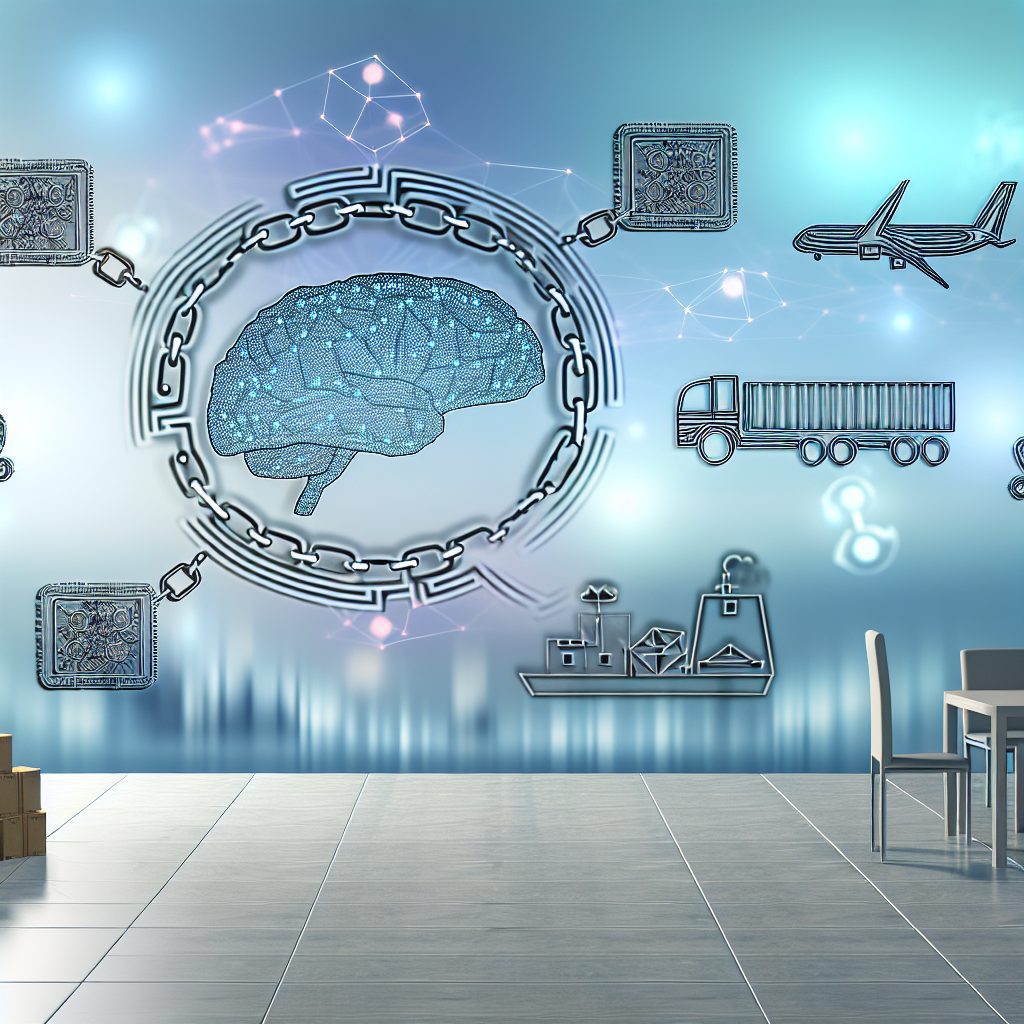
Artificial intelligence enhances supply chain management by analyzing vast amounts of data to identify patterns, predict trends, and optimize operations. AI can be applied in various ways, including:
- Demand forecasting: AI algorithms can analyze historical data to predict future demand, helping businesses manage inventory more effectively.
- Risk management: AI can assess potential risks in the supply chain, allowing companies to develop contingency plans.
- Process automation: AI can automate repetitive tasks, reducing human error and increasing efficiency.
When combined with blockchain, AI can further enhance supply chain operations by providing real-time insights and facilitating data-driven decision-making.
How Blockchain and AI Can Transform Supply Chains
The integration of blockchain and AI can revolutionize global supply chains in several ways:
1. Enhanced Traceability
Blockchain’s immutable ledger allows for real-time tracking of products throughout the supply chain. Each transaction can be recorded on the blockchain, providing a complete history of a product’s journey from raw materials to the end consumer. This level of traceability can help combat fraud and counterfeiting, particularly in industries such as pharmaceuticals and luxury goods.
2. Improved Efficiency
AI can analyze data from the blockchain to identify inefficiencies in the supply chain. By optimizing routes, managing inventory levels, and predicting demand, businesses can reduce costs and improve service levels. For example, AI algorithms can suggest the most efficient shipping routes based on real-time traffic data and weather conditions.
3. Increased Transparency
With blockchain, all stakeholders in the supply chain have access to the same information, fostering trust and collaboration. This transparency can lead to better relationships between suppliers, manufacturers, and retailers, ultimately benefiting consumers through improved product quality and safety.
4. Data-Driven Decision Making
The combination of blockchain and AI enables businesses to make informed decisions based on accurate, real-time data. AI can analyze trends and provide insights that help companies adapt to changing market conditions, ensuring they remain competitive.
Real-World Applications of Blockchain and AI in Supply Chains
Several companies are already exploring the potential of blockchain and AI to enhance their supply chain operations. Here are a few notable examples:
Walmart and IBM Food Trust
Walmart has partnered with IBM to create the IBM Food Trust, a blockchain-based platform that enhances traceability in the food supply chain. By using this system, Walmart can track the origin of food products in seconds, significantly reducing the time it takes to trace contaminated products. This initiative not only improves food safety but also builds consumer trust.
De Beers and Diamond Tracking
De Beers, a leading diamond company, utilizes blockchain technology to track the provenance of diamonds. Their platform, Tracr, ensures that diamonds are sourced ethically and are free from conflict. By providing transparency in the diamond supply chain, De Beers aims to enhance consumer confidence and promote responsible sourcing.
Provenance and Sustainable Products
Provenance is a startup that uses blockchain to verify the origins of products, particularly in the fashion and food industries. By providing consumers with transparent information about the supply chain, Provenance helps brands demonstrate their commitment to sustainability and ethical practices.
Challenges and Considerations
While the integration of blockchain and AI in supply chains offers numerous benefits, several challenges must be addressed:
1. Data Privacy and Security
As blockchain technology relies on sharing data among multiple parties, concerns about data privacy and security arise. Companies must implement robust security measures to protect sensitive information while still benefiting from the transparency that blockchain provides.
2. Integration with Existing Systems
Many businesses have established supply chain management systems that may not be compatible with blockchain technology. Integrating these systems can be complex and costly, requiring significant investment in technology and training.
3. Regulatory Compliance
The regulatory landscape surrounding blockchain and AI is still evolving. Companies must navigate various regulations and standards to ensure compliance while implementing these technologies in their supply chains.
4. Scalability
As the number of transactions increases, ensuring that blockchain networks can scale effectively is crucial. Companies must consider the scalability of their chosen blockchain solution to accommodate future growth.
Future Trends in Blockchain and AI for Supply Chains
The future of blockchain and AI in supply chains is promising, with several trends expected to shape the industry:
1. Increased Adoption of Decentralized Finance (DeFi)
The rise of decentralized finance (DeFi) could lead to more efficient financing options for supply chain participants. By leveraging blockchain technology, businesses can access funding without relying on traditional financial institutions, reducing costs and improving cash flow.
2. Smart Contracts
Smart contracts are self-executing contracts with the terms of the agreement directly written into code. These contracts can automate various processes in the supply chain, such as payments and order fulfillment, reducing the need for intermediaries and increasing efficiency.
3. Enhanced Collaboration
As more companies adopt blockchain technology, collaboration among supply chain participants will increase. Shared platforms will enable stakeholders to work together more effectively, leading to improved outcomes for all parties involved.
4. Focus on Sustainability
Consumers are increasingly demanding sustainable products, and blockchain can help companies demonstrate their commitment to ethical practices. By providing transparent information about sourcing and production processes, businesses can build trust and loyalty among environmentally conscious consumers.
FAQs
What is blockchain technology?
Blockchain technology is a decentralized digital ledger that records transactions across multiple computers, ensuring data security and integrity.
How does AI improve supply chain management?
AI improves supply chain management by analyzing data to identify patterns, predict trends, and optimize operations, leading to increased efficiency and reduced costs.
What are smart contracts?
Smart contracts are self-executing contracts with the terms of the agreement directly written into code, automating processes and reducing the need for intermediaries.
What are the benefits of using blockchain in supply chains?
The benefits of using blockchain in supply chains include enhanced traceability, improved efficiency, increased transparency, and data-driven decision-making.
What challenges do companies face when implementing blockchain and AI?
Companies face challenges such as data privacy and security concerns, integration with existing systems, regulatory compliance, and scalability issues.
Conclusion
The integration of blockchain technology and artificial intelligence has the potential to revolutionize global supply chains, particularly within the cryptocurrency industry. By enhancing traceability, improving efficiency, and increasing transparency, these technologies can address many of the challenges currently faced by supply chain participants. As businesses continue to explore innovative solutions, the future of supply chain management looks promising.
For the latest updates on cryptocurrency news and price tracking, visit Bitrabo. Stay connected with me on social media: X, Instagram, Facebook, Threads.
Disclaimer: The information provided in this article is for informational purposes only and should not be considered financial advice. Always conduct your own research before making investment decisions.
The Crypto Watchlist of the Week 🔎
Subscribe to receive expert-curated projects with real potential—plus trends, risks, and insights that matter. Get handpicked crypto projects, deep analysis & market updates delivered to you.