Understanding Zero-Trust Architecture in Web3
The cryptocurrency industry is rapidly evolving, and with it comes the need for robust security measures. As decentralized finance (DeFi) and blockchain technologies gain traction, the concept of Zero-Trust Architecture (ZTA) has emerged as a critical framework for securing digital assets and transactions. This article delves into the principles of Zero-Trust Architecture, its relevance in the Web3 ecosystem, and how it can enhance security in the cryptocurrency space.
What is Zero-Trust Architecture?
Zero-Trust Architecture is a security model that operates on the principle of “never trust, always verify.” Unlike traditional security models that rely on perimeter defenses, ZTA assumes that threats can exist both inside and outside the network. Therefore, every access request is treated as a potential threat, requiring strict verification before granting access to resources.
The core tenets of Zero-Trust Architecture include:
- Identity Verification: Every user and device must be authenticated and authorized before accessing any resource.
- Least Privilege Access: Users are granted the minimum level of access necessary to perform their tasks.
- Micro-Segmentation: Networks are divided into smaller segments to limit lateral movement in case of a breach.
- Continuous Monitoring: Ongoing assessment of user behavior and access patterns to detect anomalies.
The Importance of Zero-Trust in Web3
As the cryptocurrency industry transitions to Web3, the need for enhanced security measures becomes paramount. Web3 represents a decentralized internet where users have greater control over their data and assets. However, this decentralization also introduces new vulnerabilities that can be exploited by malicious actors.
Implementing a Zero-Trust Architecture in Web3 can help mitigate these risks by ensuring that:
- All transactions are verified, reducing the likelihood of fraud.
- Users maintain control over their private keys, minimizing the risk of theft.
- Smart contracts are audited and monitored for vulnerabilities.
Key Components of Zero-Trust Architecture in Cryptocurrency
To effectively implement Zero-Trust Architecture in the cryptocurrency space, several key components must be considered:
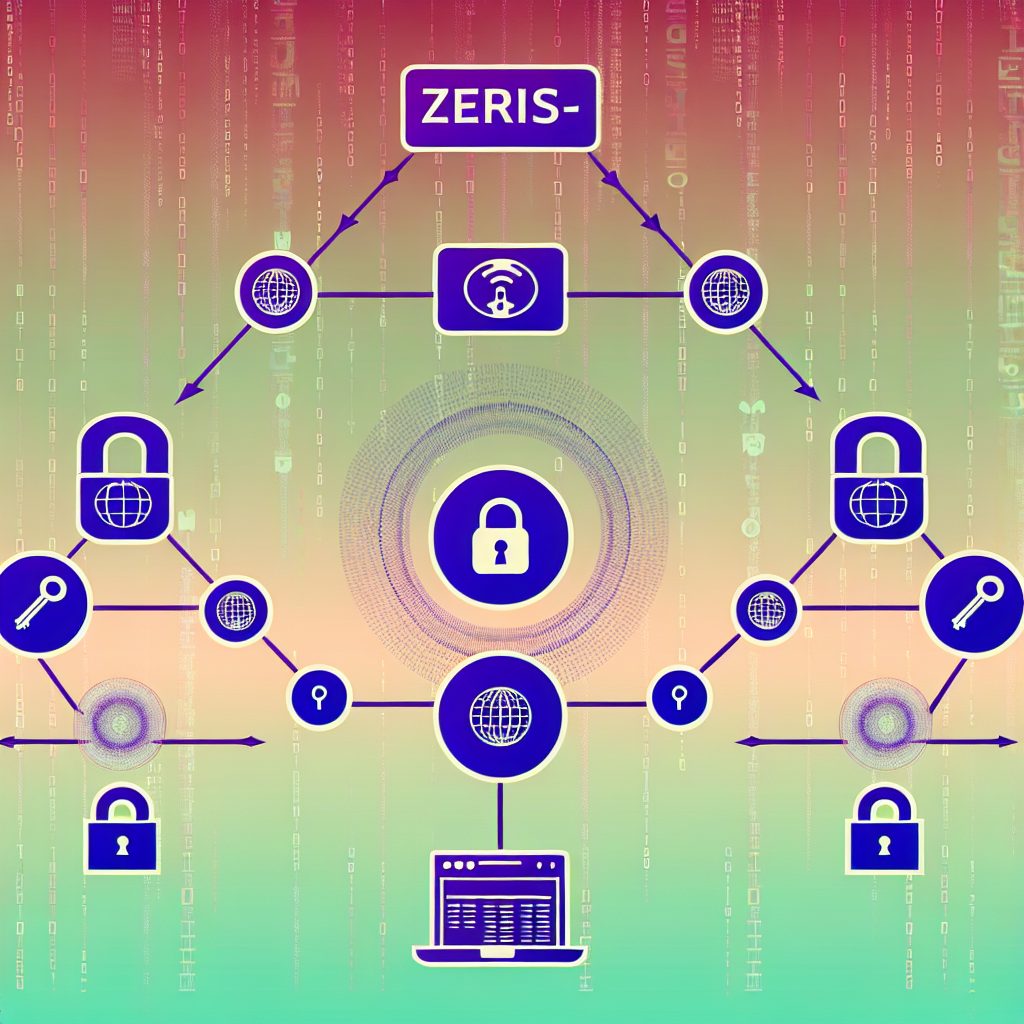
1. Identity and Access Management (IAM)
Identity and Access Management is crucial in a Zero-Trust model. In the cryptocurrency industry, this involves:
- Utilizing decentralized identity solutions that allow users to control their identities.
- Implementing multi-factor authentication (MFA) to enhance security.
- Regularly updating access permissions based on user roles and behaviors.
2. Smart Contract Security
Smart contracts are the backbone of many blockchain applications. Ensuring their security is vital for maintaining trust in the system. Key practices include:
- Conducting thorough audits of smart contracts before deployment.
- Utilizing formal verification methods to mathematically prove the correctness of contracts.
- Implementing upgradeable contracts to address vulnerabilities post-deployment.
3. Network Segmentation
Micro-segmentation is essential for limiting the impact of potential breaches. In the context of cryptocurrency, this can involve:
- Isolating different blockchain networks to prevent cross-chain attacks.
- Segmenting user wallets based on their activity levels and risk profiles.
- Implementing firewalls and intrusion detection systems to monitor network traffic.
4. Continuous Monitoring and Analytics
Continuous monitoring is a cornerstone of Zero-Trust Architecture. In the cryptocurrency space, this includes:
- Tracking user behavior to identify anomalies that may indicate a security threat.
- Utilizing blockchain analytics tools to monitor transactions for suspicious activity.
- Implementing real-time alerts for unauthorized access attempts.
Challenges in Implementing Zero-Trust in Web3
While the benefits of Zero-Trust Architecture are clear, implementing it in the cryptocurrency industry comes with its own set of challenges:
- Complexity: The decentralized nature of blockchain can complicate the implementation of traditional security measures.
- User Education: Users must understand the importance of security practices, such as managing private keys and recognizing phishing attempts.
- Regulatory Compliance: Navigating the regulatory landscape while implementing Zero-Trust measures can be challenging.
Case Studies: Zero-Trust in Action
Several projects in the cryptocurrency space have successfully implemented Zero-Trust principles to enhance security:
1. Chainalysis
Chainalysis, a blockchain analysis firm, employs a Zero-Trust approach to monitor cryptocurrency transactions. By continuously analyzing transaction patterns and user behavior, they can identify suspicious activities and provide insights to law enforcement agencies. Their platform exemplifies how continuous monitoring and analytics can enhance security in the cryptocurrency ecosystem.
2. Aave
Aave, a decentralized lending platform, has implemented rigorous security measures, including smart contract audits and continuous monitoring. By ensuring that their smart contracts are secure and regularly updated, Aave minimizes the risk of exploits and enhances user trust in their platform.
Statistics on Cybersecurity in Cryptocurrency
The importance of Zero-Trust Architecture is underscored by alarming statistics regarding cybersecurity in the cryptocurrency industry:
- According to a report by Chainalysis, over $14 billion was lost to cryptocurrency scams and hacks in 2021.
- A study by Cybersecurity Ventures predicts that cybercrime will cost the world $10.5 trillion annually by 2025.
- The number of reported cryptocurrency hacks increased by 200% from 2020 to 2021, highlighting the urgent need for enhanced security measures.
FAQs about Zero-Trust Architecture in Web3
What is the main principle of Zero-Trust Architecture?
The main principle of Zero-Trust Architecture is “never trust, always verify,” meaning that every access request must be authenticated and authorized, regardless of its origin.
How does Zero-Trust Architecture enhance security in cryptocurrency?
Zero-Trust Architecture enhances security by ensuring that all transactions are verified, users maintain control over their private keys, and smart contracts are continuously monitored for vulnerabilities.
What are the challenges of implementing Zero-Trust in Web3?
Challenges include the complexity of decentralized systems, the need for user education on security practices, and navigating regulatory compliance.
Can Zero-Trust Architecture prevent all cyber attacks in cryptocurrency?
While Zero-Trust Architecture significantly reduces the risk of cyber attacks, no security model can guarantee complete protection. Continuous monitoring and adaptation are essential.
Conclusion
As the cryptocurrency industry continues to grow, the implementation of Zero-Trust Architecture becomes increasingly vital. By adopting a security model that prioritizes verification and continuous monitoring, cryptocurrency projects can better protect their users and assets from emerging threats. The transition to Web3 presents both opportunities and challenges, but with the right security measures in place, the future of decentralized finance can be both secure and prosperous.
For the latest updates on cryptocurrency news and price tracking, visit Bitrabo. Stay connected with me on social media: X, Instagram, Facebook, Threads.
Disclaimer: The information provided in this article is for educational purposes only and should not be considered financial advice. Always conduct your own research before making investment decisions.
The Crypto Watchlist of the Week 🔎
Subscribe to receive expert-curated projects with real potential—plus trends, risks, and insights that matter. Get handpicked crypto projects, deep analysis & market updates delivered to you.