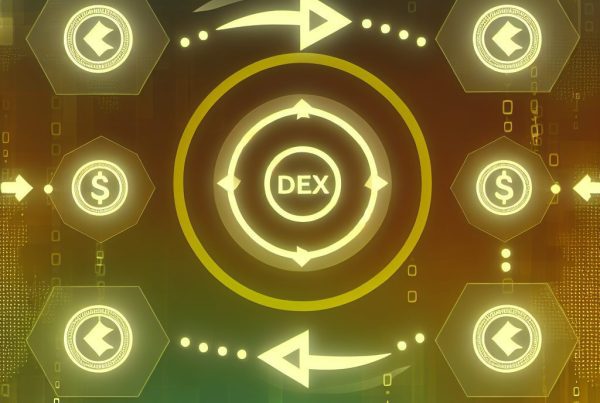
Understanding Blockchain Interoperability
In the rapidly evolving world of cryptocurrency, the concept of blockchain interoperability has emerged as a critical factor for the future of decentralized technologies. As the number of blockchain networks continues to grow, the ability for these networks to communicate and interact with one another becomes increasingly important. This article delves into the intricacies of blockchain interoperability, its significance in the cryptocurrency industry, and the various solutions being developed to enhance connectivity between different blockchain ecosystems.
What is Blockchain Interoperability?
Blockchain interoperability refers to the ability of different blockchain networks to exchange information and value seamlessly. This capability allows for the transfer of assets and data across various platforms, enabling users to interact with multiple blockchains without the need for intermediaries. Interoperability is essential for creating a more cohesive and efficient blockchain ecosystem, where users can leverage the unique features of different networks.
The Importance of Interoperability in Cryptocurrency
The cryptocurrency industry is characterized by a multitude of blockchain platforms, each with its own unique features, consensus mechanisms, and use cases. The lack of interoperability can lead to several challenges:
- Fragmentation: Without interoperability, the blockchain space becomes fragmented, making it difficult for users to access the full range of services and applications available across different networks.
- Limited Liquidity: Assets locked within a single blockchain cannot be easily transferred to another, limiting liquidity and hindering market efficiency.
- Increased Complexity: Users must navigate multiple wallets and platforms, complicating the user experience and deterring adoption.
By addressing these challenges, interoperability can enhance user experience, increase liquidity, and foster innovation within the cryptocurrency space.
Types of Blockchain Interoperability
Blockchain interoperability can be categorized into three main types:
- Cross-Chain Interoperability: This type allows different blockchains to communicate and share data directly. Cross-chain solutions enable the transfer of assets and information between distinct blockchain networks.
- Multi-Chain Interoperability: Multi-chain interoperability involves the integration of multiple blockchains into a single ecosystem. This approach allows users to interact with various blockchains through a unified interface.
- Layer 2 Solutions: Layer 2 solutions operate on top of existing blockchains to enhance scalability and interoperability. These solutions can facilitate faster transactions and lower fees while maintaining the security of the underlying blockchain.
Challenges to Achieving Interoperability
Despite its potential benefits, achieving blockchain interoperability is fraught with challenges:

- Technical Complexity: Different blockchains utilize various consensus mechanisms, data structures, and protocols, making it challenging to create a standardized method for interoperability.
- Security Concerns: Interoperability solutions must ensure that the security of each blockchain is maintained while allowing for cross-chain interactions.
- Regulatory Issues: The regulatory landscape surrounding cryptocurrencies varies by jurisdiction, complicating the development of interoperable solutions that comply with different legal frameworks.
Current Solutions for Blockchain Interoperability
Several projects and technologies are currently being developed to enhance blockchain interoperability:
1. Atomic Swaps
Atomic swaps allow users to exchange cryptocurrencies from different blockchains without the need for a centralized exchange. This peer-to-peer exchange mechanism ensures that the transaction is either completed in full or not at all, reducing the risk of fraud.
2. Inter-Blockchain Communication (IBC)
The Inter-Blockchain Communication (IBC) protocol is a key feature of the Cosmos network, enabling different blockchains to communicate and transfer data seamlessly. IBC allows for the creation of a network of interconnected blockchains, enhancing interoperability.
3. Polkadot
Polkadot is a multi-chain framework that facilitates interoperability between different blockchains. Its unique architecture allows for the creation of parachains, which can communicate with each other and share security, enabling a more interconnected blockchain ecosystem.
4. Chainlink
Chainlink is a decentralized oracle network that connects smart contracts with real-world data. By providing reliable data feeds, Chainlink enhances the interoperability of smart contracts across different blockchains, allowing them to interact with external data sources.
Real-World Use Cases of Blockchain Interoperability
Several projects have successfully implemented interoperability solutions, showcasing the potential benefits:
1. DeFi Platforms
Decentralized Finance (DeFi) platforms often rely on interoperability to provide users with access to a wide range of financial services. For example, platforms like Aave and Uniswap utilize cross-chain solutions to allow users to lend, borrow, and trade assets across different blockchains.
2. Supply Chain Management
Blockchain interoperability can significantly enhance supply chain management by enabling different stakeholders to share data seamlessly. Projects like VeChain leverage interoperability to connect various participants in the supply chain, improving transparency and efficiency.
3. Cross-Chain NFTs
The rise of Non-Fungible Tokens (NFTs) has led to the need for interoperability between different NFT marketplaces. Projects like Rarible and OpenSea are exploring cross-chain solutions to allow users to buy, sell, and trade NFTs across multiple platforms.
The Future of Blockchain Interoperability
The future of blockchain interoperability looks promising, with ongoing developments aimed at enhancing connectivity between different networks. As more projects adopt interoperability solutions, the cryptocurrency ecosystem will become increasingly integrated, fostering innovation and collaboration.
Key trends to watch include:
- Increased Adoption of Cross-Chain Solutions: As more users recognize the benefits of interoperability, the demand for cross-chain solutions will continue to grow.
- Regulatory Clarity: As governments establish clearer regulations surrounding cryptocurrencies, interoperability solutions will be better positioned to comply with legal frameworks.
- Enhanced Security Protocols: Ongoing advancements in security protocols will help mitigate risks associated with cross-chain transactions, fostering greater trust in interoperability solutions.
FAQs about Blockchain Interoperability
What is the main benefit of blockchain interoperability?
The primary benefit of blockchain interoperability is the ability to facilitate seamless communication and transactions between different blockchain networks, enhancing user experience and increasing liquidity.
How does interoperability impact the DeFi space?
Interoperability allows DeFi platforms to offer a wider range of services by enabling users to access assets and liquidity from multiple blockchains, thereby improving market efficiency.
What are some examples of interoperability solutions?
Examples of interoperability solutions include Atomic Swaps, Inter-Blockchain Communication (IBC), Polkadot, and Chainlink.
Are there any security risks associated with blockchain interoperability?
Yes, interoperability solutions must address security concerns to ensure that cross-chain transactions do not compromise the integrity of the underlying blockchains.
Conclusion
Understanding blockchain interoperability is essential for anyone involved in the cryptocurrency industry. As the landscape continues to evolve, the ability for different blockchains to communicate and interact will play a pivotal role in shaping the future of decentralized technologies. By overcoming the challenges associated with interoperability and leveraging innovative solutions, the cryptocurrency ecosystem can become more integrated, efficient, and user-friendly.
For the latest updates on cryptocurrency news and price tracking, visit Bitrabo. Stay connected with me on social media: X, Instagram, Facebook, and Threads.
Disclaimer: The information provided in this article is for informational purposes only and should not be considered financial advice. Always conduct your own research before making investment decisions.
The Crypto Watchlist of the Week 🔎
Subscribe to receive expert-curated projects with real potential—plus trends, risks, and insights that matter. Get handpicked crypto projects, deep analysis & market updates delivered to you.