The Evolution of Digital Identity in Web3
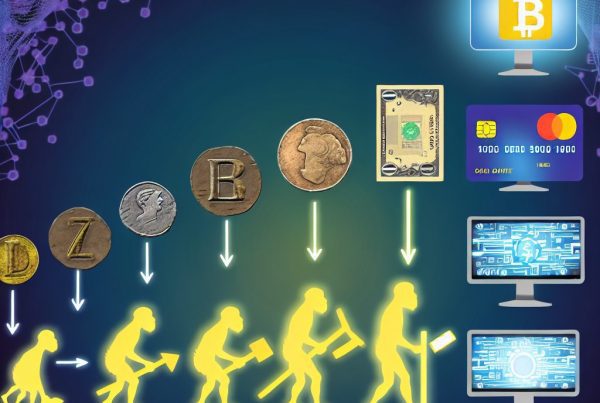
The concept of digital identity has undergone a profound transformation with the advent of Web3 technologies, particularly within the cryptocurrency industry. As we transition from Web2 to Web3, the way individuals and entities establish their identities online is evolving, driven by the principles of decentralization, privacy, and user empowerment. This article delves into the evolution of digital identity in Web3, exploring its implications, challenges, and future prospects.
Understanding Digital Identity
Digital identity refers to the online representation of an individual or entity. It encompasses various attributes, including usernames, passwords, social media profiles, and biometric data. In traditional systems, digital identities are often managed by centralized entities, leading to concerns over privacy, security, and control.
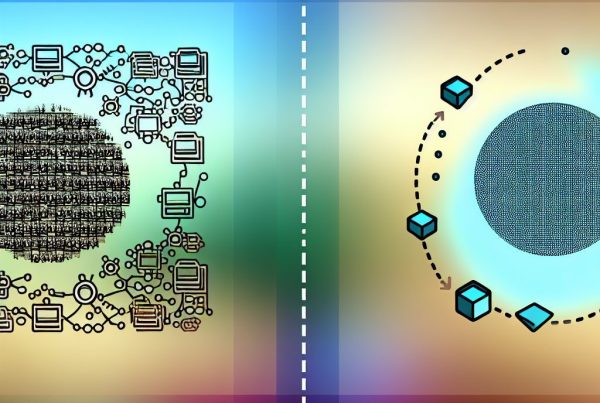
In contrast, Web3 introduces a decentralized approach to digital identity, allowing users to own and control their identities without relying on intermediaries. This shift is crucial in the cryptocurrency space, where trust and transparency are paramount.
The Shift from Web2 to Web3
Web2, characterized by user-generated content and social media platforms, has created a landscape where digital identities are often fragmented and controlled by centralized entities. Users are required to create multiple accounts across various platforms, leading to issues such as data breaches and identity theft.
Web3 aims to address these challenges by leveraging blockchain technology to create a unified and secure digital identity system. This transition is marked by several key developments:
- Decentralization: Users can manage their identities without relying on a central authority.
- Self-sovereignty: Individuals have full control over their personal data and how it is shared.
- Interoperability: Digital identities can be used across different platforms and applications.
Key Components of Digital Identity in Web3
The evolution of digital identity in Web3 is underpinned by several key components:

1. Blockchain Technology
Blockchain serves as the backbone of Web3, providing a secure and transparent way to store and manage digital identities. Each identity is represented as a unique cryptographic key, allowing users to authenticate themselves without revealing sensitive information.
2. Decentralized Identifiers (DIDs)
DIDs are a new type of identifier that enables verifiable, self-sovereign identities. They are created and managed on decentralized networks, allowing users to control their identities without relying on third parties. DIDs can be used for various applications, including authentication, access control, and data sharing.
3. Verifiable Credentials
Verifiable credentials are digital statements made by an issuer about a subject. They can be used to prove identity, qualifications, or other attributes without revealing unnecessary personal information. This enhances privacy and security while maintaining trust in the verification process.
Real-World Applications of Digital Identity in Web3
The practical applications of digital identity in Web3 are vast and varied. Here are some notable examples:
1. Decentralized Finance (DeFi)
In the DeFi space, digital identity plays a crucial role in ensuring compliance and security. Platforms like CoinDesk are exploring how DIDs can be integrated into lending and borrowing protocols to verify user identities while maintaining privacy.
2. Non-Fungible Tokens (NFTs)
NFTs have revolutionized the way digital assets are owned and traded. Digital identities can be linked to NFTs, allowing creators to establish ownership and provenance. Platforms like OpenSea are leveraging this technology to enhance user trust and engagement.
3. Social Media and Content Creation
Web3 social media platforms, such as Minds, enable users to create and manage their identities without censorship. Users can monetize their content while retaining control over their data, fostering a more equitable ecosystem.
Challenges in Implementing Digital Identity in Web3
Despite the promising potential of digital identity in Web3, several challenges remain:
- Usability: Many users find blockchain technology complex, which can hinder widespread adoption.
- Interoperability: Different platforms may use varying standards for digital identities, complicating cross-platform interactions.
- Regulatory Concerns: Governments are still grappling with how to regulate decentralized identities, which could impact their development.
The Future of Digital Identity in Web3
The future of digital identity in Web3 is bright, with ongoing innovations and developments. As more users recognize the importance of privacy and control over their data, the demand for decentralized identity solutions will continue to grow.
Emerging technologies, such as zero-knowledge proofs, will enhance privacy while allowing for secure verification of identities. Additionally, collaborations between blockchain projects and traditional industries will pave the way for broader acceptance and integration of digital identities.
FAQs
What is a digital identity in Web3?
A digital identity in Web3 refers to a self-sovereign identity that users control and manage on decentralized networks, allowing for secure authentication and data sharing without relying on centralized authorities.
How do decentralized identifiers (DIDs) work?
DIDs are unique identifiers created on decentralized networks that enable users to manage their identities independently. They can be used for authentication and verification across various platforms.
What are verifiable credentials?
Verifiable credentials are digital statements made by an issuer about a subject, allowing users to prove their identity or qualifications without revealing unnecessary personal information.
What are the benefits of using digital identity in Web3?
The benefits include enhanced privacy, user control over personal data, reduced reliance on intermediaries, and improved security against identity theft and fraud.
Conclusion
The evolution of digital identity in Web3 represents a significant shift in how individuals and entities interact online. By leveraging blockchain technology, decentralized identifiers, and verifiable credentials, users can regain control over their identities while enhancing privacy and security.
As the cryptocurrency industry continues to grow, the importance of robust digital identity solutions will only increase. Embracing these innovations will empower users and foster a more equitable digital landscape. For the latest updates on cryptocurrency news and price tracking, visit Bitrabo. Follow me on social media for more insights: X, Instagram, Facebook, Threads.
Disclaimer: The information provided in this article is for informational purposes only and should not be considered financial advice. Always conduct your own research before making investment decisions.
The Crypto Watchlist of the Week 🔎
Subscribe to receive expert-curated projects with real potential—plus trends, risks, and insights that matter. Get handpicked crypto projects, deep analysis & market updates delivered to you.