Play-to-Earn Economics: Will AI Balance Metaverse Markets?
The rise of the play-to-earn (P2E) model has transformed the gaming industry, creating new economic opportunities for players and developers alike. As the metaverse continues to expand, the integration of artificial intelligence (AI) into these ecosystems raises questions about market stability and economic balance. This article delves into the intricacies of P2E economics, the role of AI, and how these elements interact within the broader context of the cryptocurrency industry.
Understanding Play-to-Earn Economics
Play-to-earn economics refers to a model where players can earn real-world value through their in-game activities. Unlike traditional gaming, where players invest time and money without tangible returns, P2E allows users to monetize their skills and time. This model is primarily facilitated through blockchain technology, which ensures transparency and security in transactions.
Key components of P2E economics include:
- Tokenomics: The economic structure of in-game currencies, including how they are earned, spent, and traded.
- Asset Ownership: Players own their in-game assets as NFTs (non-fungible tokens), allowing for real-world trading.
- Community Engagement: Players often participate in governance, influencing game development and economic policies.
The Role of AI in the Metaverse
Artificial intelligence is increasingly becoming a cornerstone of the metaverse, enhancing user experiences and optimizing economic interactions. AI can analyze vast amounts of data to predict market trends, personalize user experiences, and automate various processes within P2E games.
Some potential applications of AI in the metaverse include:
- Dynamic Pricing: AI algorithms can adjust the prices of in-game assets based on demand and supply, ensuring a balanced market.
- Fraud Detection: AI can identify suspicious activities, protecting players and maintaining the integrity of the economy.
- Personalized Experiences: AI can tailor gameplay experiences to individual players, increasing engagement and retention.
Challenges in P2E Economics
Despite its potential, the P2E model faces several challenges that could impact its sustainability:
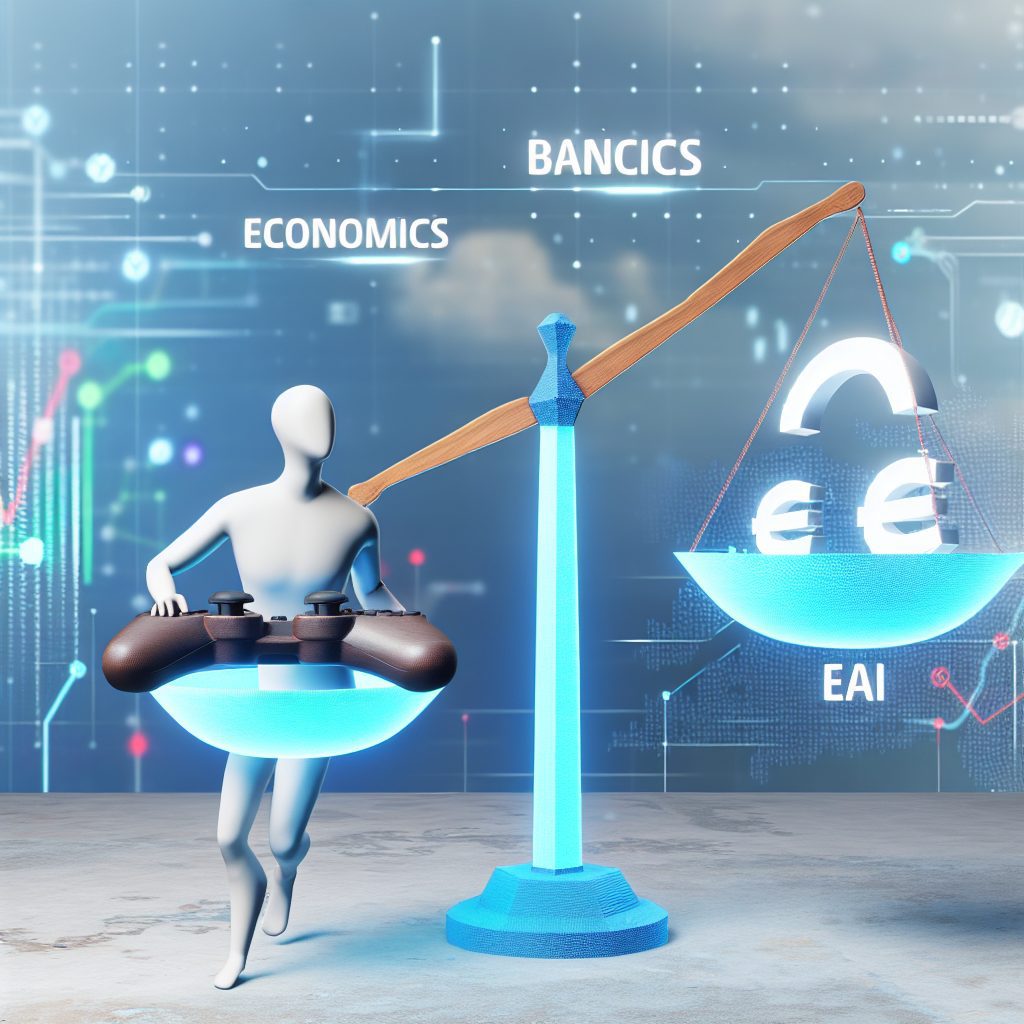
- Market Volatility: The value of in-game assets can fluctuate dramatically, leading to uncertainty for players.
- Regulatory Concerns: Governments are still figuring out how to regulate cryptocurrencies and NFTs, which could affect P2E platforms.
- Scalability Issues: As more players join, maintaining a seamless experience can become challenging.
AI as a Balancing Force
AI has the potential to address many of the challenges faced by P2E economies. By leveraging machine learning and predictive analytics, AI can help stabilize markets and enhance user experiences.
For instance, AI can analyze player behavior to forecast demand for certain in-game items, allowing developers to adjust supply accordingly. This proactive approach can mitigate the effects of market volatility, ensuring that players can earn consistent rewards.
Case Studies: Successful Integration of AI in P2E Games
Several P2E games have successfully integrated AI to enhance their economic models:
Axie Infinity
Axie Infinity is one of the most popular P2E games, allowing players to breed, battle, and trade creatures called Axies. The game employs AI algorithms to analyze player behavior and adjust the game’s economy dynamically. This has helped maintain a stable market for Axies, despite fluctuations in player engagement.
Decentraland
Decentraland is a virtual reality platform where users can create, experience, and monetize content. The platform uses AI to personalize user experiences and optimize land pricing based on demand. This approach has led to a more balanced economy, where users can invest confidently in virtual real estate.
The Future of P2E Economics and AI
The future of P2E economics will likely see deeper integration of AI technologies. As AI continues to evolve, its ability to analyze complex data sets will improve, leading to more accurate predictions and better market stability.
Moreover, as the metaverse expands, the demand for innovative P2E models will grow. Developers will need to leverage AI not only to enhance gameplay but also to create sustainable economic ecosystems that benefit all participants.
FAQs
What is play-to-earn gaming?
Play-to-earn gaming allows players to earn real-world value through their in-game activities, typically facilitated by blockchain technology.
How does AI impact the metaverse?
AI enhances user experiences, optimizes economic interactions, and helps maintain market stability within the metaverse.
What are the challenges of play-to-earn economics?
Challenges include market volatility, regulatory concerns, and scalability issues.
Can AI stabilize P2E markets?
Yes, AI can analyze player behavior and market trends to help stabilize P2E economies, ensuring consistent rewards for players.
Conclusion
The intersection of play-to-earn economics and artificial intelligence presents exciting opportunities for the cryptocurrency industry. As P2E models continue to evolve, the integration of AI will play a crucial role in balancing metaverse markets. By addressing challenges such as market volatility and scalability, AI can help create sustainable ecosystems that benefit players and developers alike.
For the latest updates on cryptocurrency news and price tracking, visit Bitrabo. Stay connected with me on social media: X, Instagram, Facebook, Threads.
Disclaimer: This article is for informational purposes only and should not be considered financial advice. Always do your own research before investing in cryptocurrencies or P2E games.
The Crypto Watchlist of the Week 🔎
Subscribe to receive expert-curated projects with real potential—plus trends, risks, and insights that matter. Get handpicked crypto projects, deep analysis & market updates delivered to you.