How Machine Learning is Powering Dynamic Web3 Gaming NPCs
The gaming industry has undergone a significant transformation with the advent of Web3 technologies, particularly in how non-player characters (NPCs) are designed and interact within virtual environments. The integration of machine learning into Web3 gaming is revolutionizing the way NPCs behave, making them more dynamic, responsive, and engaging for players. This article delves into the intersection of machine learning, Web3 gaming, and the cryptocurrency industry, exploring how these technologies are reshaping the gaming landscape.
Understanding Web3 Gaming
Web3 gaming refers to the next generation of online games that leverage blockchain technology to create decentralized, player-owned ecosystems. Unlike traditional gaming, where developers maintain control over the game environment and assets, Web3 games empower players by allowing them to own in-game assets as non-fungible tokens (NFTs). This shift not only enhances player engagement but also introduces new economic models within the gaming industry.
Key features of Web3 gaming include:
- Decentralization: Players have ownership of their assets, which can be traded or sold on various marketplaces.
- Interoperability: Assets can be used across different games and platforms.
- Play-to-Earn Models: Players can earn cryptocurrency or NFTs through gameplay, creating real-world value.
The Role of NPCs in Gaming
Non-player characters (NPCs) are integral to the gaming experience, serving various roles such as quest givers, enemies, or companions. Traditionally, NPCs have been programmed with fixed behaviors and limited interactions, which can lead to repetitive and predictable gameplay. However, with the integration of machine learning, NPCs can now exhibit more complex behaviors and adapt to player actions in real-time.
Machine Learning: A Game Changer for NPCs
Machine learning, a subset of artificial intelligence, enables systems to learn from data and improve their performance over time without explicit programming. In the context of Web3 gaming, machine learning algorithms can analyze player behavior, preferences, and interactions to create more realistic and engaging NPCs.
Some of the key benefits of using machine learning for NPCs include:
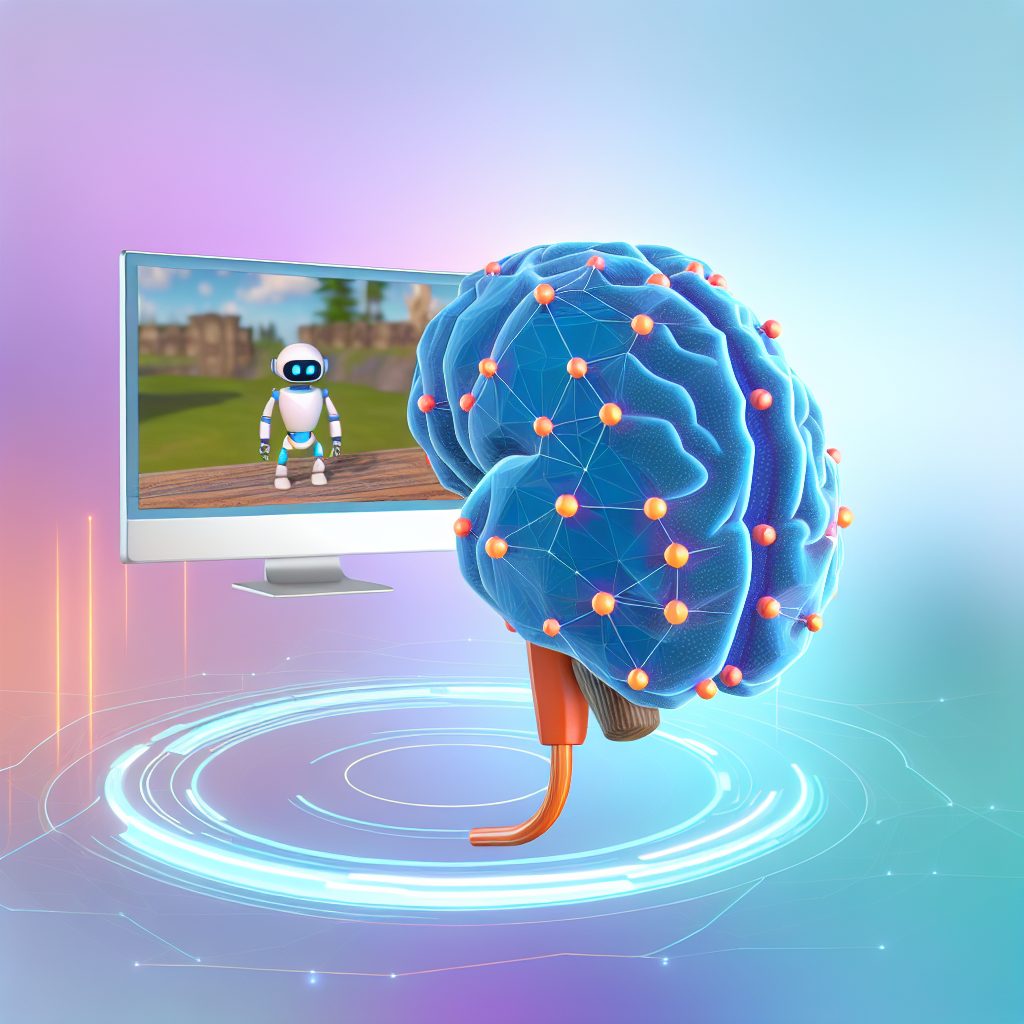
- Adaptive Behavior: NPCs can learn from player actions and adjust their strategies accordingly, providing a more challenging and immersive experience.
- Personalization: Machine learning can tailor NPC interactions based on individual player preferences, enhancing emotional engagement.
- Dynamic Storytelling: NPCs can contribute to evolving narratives, making each player’s experience unique.
How Machine Learning Enhances NPC Interactions
Machine learning enhances NPC interactions in several ways, creating a more engaging gaming environment:
1. Predictive Analytics
Machine learning algorithms can analyze vast amounts of data to predict player behavior. By understanding how players typically interact with NPCs, developers can create characters that respond in ways that feel natural and intuitive. For example, if a player frequently chooses aggressive dialogue options, an NPC might react defensively or become hostile.
2. Natural Language Processing (NLP)
Natural Language Processing allows NPCs to understand and respond to player inputs in a conversational manner. This technology enables players to engage in meaningful dialogues with NPCs, making interactions feel more lifelike. Games like AI Dungeon utilize NLP to create dynamic storytelling experiences where NPCs can respond to player prompts in real-time.
3. Reinforcement Learning
Reinforcement learning is a type of machine learning where agents learn to make decisions by receiving rewards or penalties based on their actions. In gaming, NPCs can use reinforcement learning to improve their strategies over time. For instance, an NPC that serves as a mentor can adapt its teaching methods based on how well a player is grasping game mechanics.
Case Studies of Machine Learning in Web3 Gaming
Several Web3 games are already leveraging machine learning to enhance NPC interactions, showcasing the potential of this technology in the gaming industry.
1. Axie Infinity
Axie Infinity is a popular blockchain-based game where players collect, breed, and battle creatures called Axies. The game employs machine learning algorithms to analyze player strategies and improve NPC behavior in battles. This dynamic adjustment creates a more competitive environment, keeping players engaged and challenged.
2. The Sandbox
The Sandbox is a virtual world where players can create, own, and monetize their gaming experiences. The game utilizes machine learning to enhance NPC interactions within user-generated content. By analyzing player behavior, NPCs can adapt their roles and responses, enriching the overall gameplay experience.
3. Decentraland
Decentraland is a virtual reality platform powered by the Ethereum blockchain. It allows users to create, experience, and monetize content and applications. Machine learning is used to enhance NPC interactions, enabling them to provide personalized experiences based on user preferences and past interactions.
The Economic Impact of Machine Learning in Web3 Gaming
The integration of machine learning into Web3 gaming not only enhances player experiences but also has significant economic implications. As NPCs become more dynamic and engaging, player retention rates are likely to increase, leading to higher revenues for game developers.
Moreover, the ability to create unique, player-driven narratives can lead to the emergence of new economic models within the gaming ecosystem. Players may be willing to pay for enhanced interactions or personalized experiences, creating additional revenue streams for developers.
Challenges and Considerations
While the potential of machine learning in Web3 gaming is immense, several challenges must be addressed:
- Data Privacy: Collecting and analyzing player data raises concerns about privacy and security. Developers must ensure that they comply with regulations and protect user information.
- Algorithm Bias: Machine learning algorithms can inadvertently perpetuate biases present in training data. Developers must be vigilant in ensuring that NPC behaviors are fair and inclusive.
- Technical Complexity: Implementing machine learning solutions requires significant technical expertise and resources, which may be a barrier for smaller developers.
Future Trends in Machine Learning and Web3 Gaming
The future of machine learning in Web3 gaming is promising, with several trends likely to shape its evolution:
1. Enhanced Personalization
As machine learning algorithms become more sophisticated, NPCs will be able to offer increasingly personalized experiences. This could include tailored quests, unique dialogue options, and adaptive gameplay mechanics that respond to individual player styles.
2. Cross-Game Interactions
With the rise of interoperability in Web3 gaming, NPCs may be able to interact across different games and platforms. This could lead to shared narratives and experiences, enriching the overall gaming ecosystem.
3. Community-Driven Development
As players become more involved in game development through decentralized platforms, machine learning can facilitate community-driven NPC design. Players could contribute to NPC behavior models, creating a more collaborative gaming environment.
FAQs
What is Web3 gaming?
Web3 gaming refers to the next generation of online games that utilize blockchain technology, allowing players to own in-game assets as NFTs and participate in decentralized ecosystems.
How does machine learning improve NPC behavior?
Machine learning enables NPCs to learn from player interactions, adapt their behaviors, and provide personalized experiences, making gameplay more engaging and dynamic.
What are some examples of Web3 games using machine learning?
Notable examples include Axie Infinity, The Sandbox, and Decentraland, all of which leverage machine learning to enhance NPC interactions and player experiences.
What challenges does machine learning face in gaming?
Challenges include data privacy concerns, algorithm bias, and the technical complexity of implementing machine learning solutions.
Conclusion
The integration of machine learning into Web3 gaming is transforming the role of NPCs, making them more dynamic, engaging, and responsive to player actions. As the gaming industry continues to evolve, the potential for personalized experiences and innovative economic models will only grow. By addressing the challenges associated with machine learning, developers can create immersive worlds that captivate players and redefine the gaming experience.
For the latest updates on cryptocurrency and gaming trends, visit Bitrabo. Follow me on social media for more insights: X, Instagram, Facebook, Threads.
Disclaimer: The information provided in this article is for informational purposes only and should not be considered financial advice. Always conduct your own research before making investment decisions.
The Crypto Watchlist of the Week 🔎
Subscribe to receive expert-curated projects with real potential—plus trends, risks, and insights that matter. Get handpicked crypto projects, deep analysis & market updates delivered to you.