Generative AI vs. Human Artists in the Evolving NFT Space
The intersection of art and technology has always been a fertile ground for innovation, and the rise of Non-Fungible Tokens (NFTs) has amplified this dynamic. As the NFT market continues to expand, a pivotal question arises: how do generative AI and human artists coexist and compete in this evolving landscape? This article delves into the nuances of this relationship, exploring the implications for the cryptocurrency industry and the future of digital art.
The Rise of NFTs and Their Impact on the Art World
Non-Fungible Tokens have revolutionized the way art is bought, sold, and owned. Unlike traditional cryptocurrencies, NFTs are unique digital assets verified on a blockchain, making them ideal for representing ownership of digital art. The NFT market exploded in 2021, with sales reaching over $17 billion, according to ArtNews. This surge has attracted both established artists and newcomers, creating a diverse ecosystem.
Understanding Generative AI in Art Creation
Generative AI refers to algorithms that can create art autonomously or with minimal human intervention. These systems analyze vast datasets of existing artworks to generate new pieces, often resulting in unique and innovative creations. Some popular generative AI tools include:
- DALL-E: Developed by OpenAI, this model generates images from textual descriptions.
- Artbreeder: A platform that allows users to blend images and create new artworks collaboratively.
- DeepArt: Utilizes neural networks to transform photos into artworks in the style of famous artists.
Generative AI has democratized art creation, enabling individuals without formal training to produce visually stunning pieces. However, this raises questions about originality, authorship, and the value of human creativity.
The Role of Human Artists in the NFT Ecosystem
Human artists bring a unique perspective and emotional depth to their work, often drawing from personal experiences and cultural contexts. The NFT space has provided a platform for artists to showcase their work globally, bypassing traditional gatekeepers like galleries and auction houses. Notable examples include:
- Beeple: His digital artwork “Everydays: The First 5000 Days” sold for $69 million at Christie’s, highlighting the potential for human artists in the NFT market.
- Pak: Another prominent digital artist, Pak has made waves with innovative NFT projects that challenge conventional notions of art and ownership.
Human artists often engage with their audience on a personal level, fostering community and connection that generative AI lacks. This emotional resonance can significantly enhance the perceived value of their work.
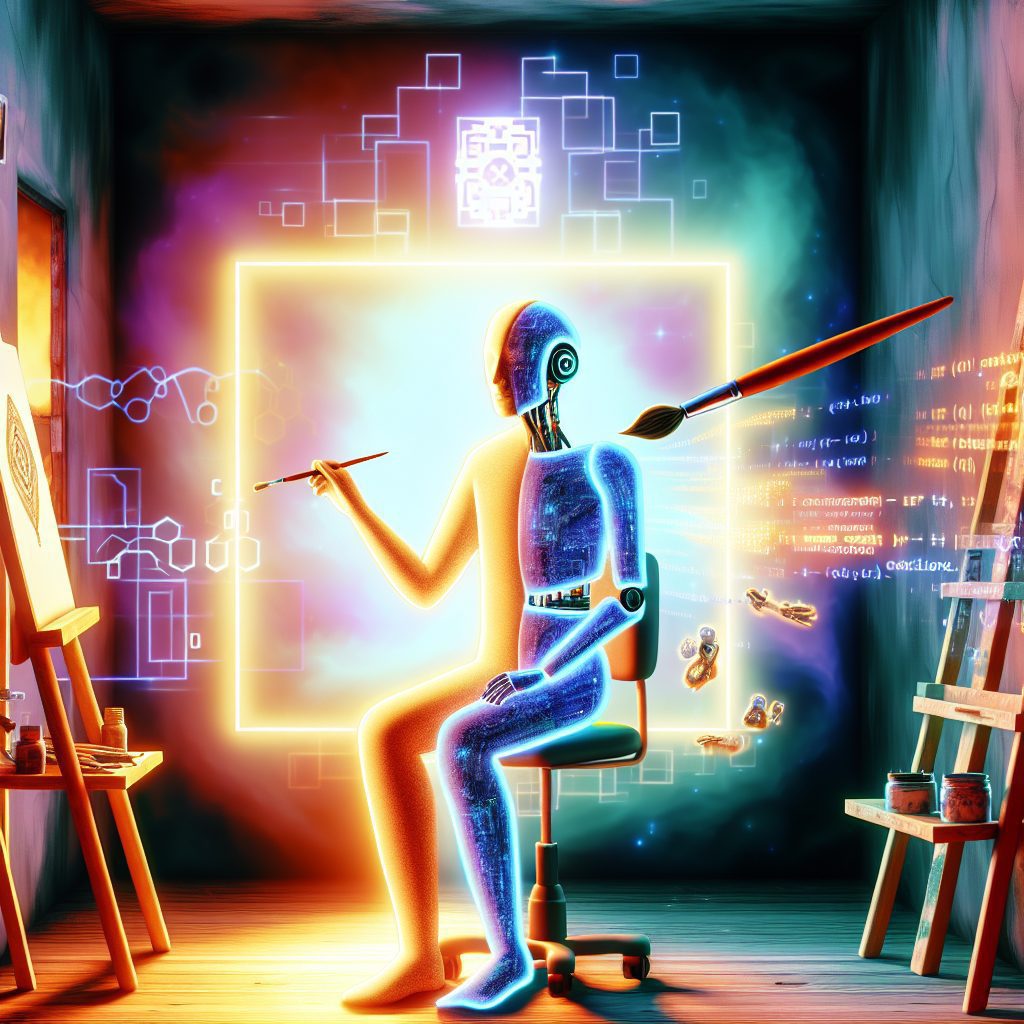
Comparative Analysis: Generative AI vs. Human Artists
When comparing generative AI and human artists, several factors come into play:
1. Creativity and Originality
Generative AI can produce a vast array of artworks quickly, but its creativity is limited to the data it has been trained on. In contrast, human artists draw from their unique experiences, emotions, and cultural backgrounds, often resulting in more profound and original works.
2. Speed and Efficiency
Generative AI can create art in seconds, making it highly efficient for producing large volumes of work. Human artists, however, may take days, weeks, or even months to complete a piece, reflecting their meticulous process and attention to detail.
3. Emotional Connection
Art created by humans often carries emotional weight and personal stories, fostering a deeper connection with the audience. Generative AI lacks this emotional depth, as it does not possess consciousness or personal experiences.
4. Market Value and Perception
The market value of art is influenced by various factors, including the artist’s reputation, the uniqueness of the piece, and the emotional connection it evokes. While generative AI art can achieve high prices, human-created art often commands higher values due to the artist’s narrative and authenticity.
Blockchain Use Cases in the Art World
The integration of blockchain technology in the art world has transformed how artists and collectors interact. Key use cases include:
- Provenance Tracking: Blockchain provides a transparent and immutable record of ownership, ensuring the authenticity of artworks.
- Smart Contracts: Artists can embed royalties into their NFTs, ensuring they receive a percentage of future sales.
- Decentralized Marketplaces: Platforms like OpenSea and Rarible allow artists to sell their work directly to collectors without intermediaries.
These use cases enhance trust and security in the art market, benefiting both artists and collectors.
Case Studies: Successful Collaborations and Competitions
Several projects exemplify the dynamic between generative AI and human artists:
1. Refik Anadol’s AI Art
Refik Anadol, a media artist and director, has successfully integrated generative AI into his work. His project “Archive Dreaming” uses AI to create immersive installations that explore the intersection of art and technology. Anadol’s work demonstrates how human creativity can harness AI to produce groundbreaking art.
2. The “AI Generated Art” Movement
In 2021, an AI-generated artwork titled “Edmond de Belamy” sold for $432,500 at auction, sparking debates about the value of AI art versus human-created art. This sale highlighted the growing acceptance of generative AI in the art market, challenging traditional notions of authorship and creativity.
The Future of Art in the NFT Space
The future of art in the NFT space will likely see increased collaboration between generative AI and human artists. As technology advances, artists may leverage AI tools to enhance their creative processes while maintaining their unique voices. This hybrid approach could lead to innovative art forms that blend human intuition with machine-generated creativity.
FAQs
1. Can generative AI create original art?
Generative AI can produce unique pieces based on its training data, but its originality is often debated. While it can create visually appealing works, the emotional depth and personal narrative typically found in human-created art may be lacking.
2. How do NFTs benefit artists?
NFTs provide artists with a platform to sell their work directly to collectors, ensuring they receive fair compensation. Additionally, smart contracts allow artists to earn royalties on secondary sales, creating ongoing revenue streams.
3. Are generative AI artworks valuable?
Yes, generative AI artworks can be valuable, especially if they are unique and well-promoted. However, their market value may not reach the same heights as human-created art due to the perceived lack of emotional connection.
4. What role does blockchain play in the art market?
Blockchain technology enhances transparency and security in the art market by providing a verifiable record of ownership and authenticity. It also enables artists to implement smart contracts for royalties.
Conclusion
The debate between generative AI and human artists in the NFT space is complex and multifaceted. While generative AI offers speed and efficiency, human artists bring emotional depth and originality to their work. As the NFT market continues to evolve, it is likely that both will coexist, each contributing to a richer and more diverse artistic landscape. For those interested in staying updated on the latest trends in cryptocurrency and NFTs, platforms like Bitrabo provide valuable insights and price tracking.
For more discussions on cryptocurrency and digital art, follow me on X, Instagram, Facebook, and Threads.
Disclaimer: The information provided in this article is for informational purposes only and should not be considered financial advice. Always conduct your own research before making investment decisions.
The Crypto Watchlist of the Week 🔎
Subscribe to receive expert-curated projects with real potential—plus trends, risks, and insights that matter. Get handpicked crypto projects, deep analysis & market updates delivered to you.