Dynamic NFTs: How AI Changes Digital Art Based on Real-World Data
The intersection of artificial intelligence (AI) and blockchain technology has given rise to a new breed of digital assets known as Dynamic NFTs. Unlike traditional non-fungible tokens (NFTs), which are static and unchanging, dynamic NFTs can evolve and adapt based on real-world data inputs. This innovative approach is transforming the landscape of digital art and the broader cryptocurrency industry, offering artists and collectors unprecedented opportunities for creativity and engagement.
Understanding Dynamic NFTs
Dynamic NFTs are a type of NFT that can change their attributes or appearance based on external data sources. This capability is made possible through smart contracts on blockchain platforms, which can be programmed to respond to various triggers, such as market conditions, social media trends, or even environmental factors. The result is a living piece of art that can tell a story or reflect real-time events.
The Role of AI in Dynamic NFTs
Artificial intelligence plays a crucial role in the creation and functionality of dynamic NFTs. By leveraging machine learning algorithms, artists can create pieces that not only respond to data but also learn from it. For instance, an AI model can analyze trends in social media to adjust the visual elements of an NFT, making it more relevant to current events or popular culture.
Key Features of Dynamic NFTs
- Real-Time Adaptability: Dynamic NFTs can change in real-time based on data inputs, making them more engaging for collectors.
- Interactivity: These NFTs can allow users to interact with them, creating a more immersive experience.
- Personalization: Artists can tailor dynamic NFTs to individual preferences, enhancing the emotional connection between the artwork and the collector.
- Data-Driven Art: The integration of real-world data allows for a new form of storytelling through art.
How Dynamic NFTs Work
The mechanics behind dynamic NFTs involve several components, including smart contracts, data oracles, and AI algorithms. Here’s a breakdown of how these elements work together:
Smart Contracts
Smart contracts are self-executing contracts with the terms of the agreement directly written into code. In the case of dynamic NFTs, smart contracts govern how the NFT behaves based on specific triggers. For example, a smart contract could be programmed to change the visual elements of an NFT when a certain cryptocurrency reaches a specific price point.
Data Oracles
Data oracles are third-party services that provide real-world data to smart contracts on the blockchain. They act as a bridge between the blockchain and external data sources. For dynamic NFTs, oracles can supply information such as weather conditions, stock prices, or social media metrics, enabling the NFT to adapt accordingly.
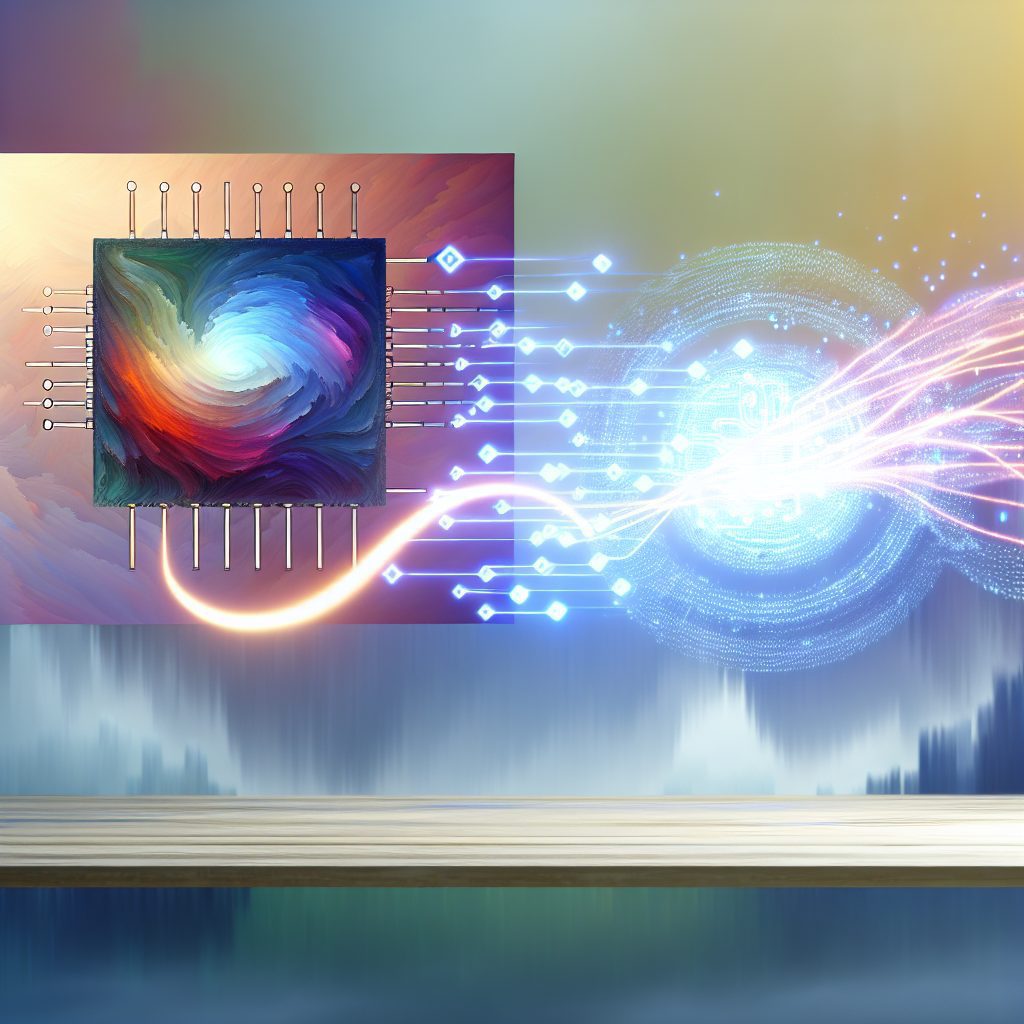
AI Algorithms
AI algorithms analyze the incoming data and determine how the NFT should change. This could involve altering colors, shapes, or even the underlying narrative of the artwork. The use of AI not only enhances the adaptability of dynamic NFTs but also allows for a level of creativity that was previously unattainable.
Use Cases of Dynamic NFTs in the Art World
The art world is one of the most exciting arenas for dynamic NFTs. Artists are exploring new ways to engage audiences and create value through their work. Here are some notable use cases:
Interactive Art Installations
Artists can create installations that change based on audience interaction or environmental factors. For example, an artist might design a dynamic NFT that alters its appearance based on the number of viewers or the time of day. This creates a unique experience for each viewer, making the art more memorable.
Market-Responsive Art
Dynamic NFTs can be programmed to respond to market conditions. For instance, an artist could create a piece that changes its color palette based on the performance of a specific cryptocurrency. This not only makes the artwork more relevant but also allows collectors to feel a deeper connection to the market.
Social Media Integration
Artists can leverage social media trends to influence their dynamic NFTs. For example, an NFT could change its design based on trending hashtags or popular topics. This real-time adaptability keeps the artwork fresh and engaging, encouraging collectors to stay connected.
Challenges and Considerations
While dynamic NFTs offer exciting possibilities, they also come with challenges that artists and collectors must navigate:
Technical Complexity
The creation of dynamic NFTs requires a solid understanding of blockchain technology, smart contracts, and AI. Artists may need to collaborate with developers to bring their visions to life, which can complicate the creative process.
Market Volatility
Dynamic NFTs that respond to market conditions may be subject to volatility. This can affect the perceived value of the artwork, making it a risky investment for collectors.
Intellectual Property Issues
The integration of real-world data raises questions about intellectual property rights. Artists must ensure that they have the right to use any data that influences their dynamic NFTs, which can complicate the creative process.
Future Trends in Dynamic NFTs
The future of dynamic NFTs looks promising, with several trends emerging that could shape their development:
Increased Adoption in Gaming
The gaming industry is likely to embrace dynamic NFTs, allowing players to own and trade in-game assets that evolve based on gameplay. This could create a more immersive gaming experience and add value to digital assets.
Enhanced Personalization
As AI technology continues to advance, dynamic NFTs will become increasingly personalized. Artists may be able to create unique experiences for each collector, tailoring the artwork to individual preferences and behaviors.
Integration with Virtual Reality (VR) and Augmented Reality (AR)
The combination of dynamic NFTs with VR and AR technologies could lead to groundbreaking experiences in digital art. Imagine walking through a virtual gallery where each piece of art changes based on your interactions or the environment around you.
Real-World Applications Beyond Art
Dynamic NFTs are not limited to the art world; they have potential applications across various industries:
Sports Collectibles
Dynamic NFTs can be used to create sports collectibles that change based on player performance or game outcomes. For example, a digital trading card could evolve to reflect a player’s stats throughout the season, making it more valuable as the player excels.
Fashion and Wearables
The fashion industry can leverage dynamic NFTs to create digital clothing that changes based on trends or user preferences. This could revolutionize how consumers interact with fashion brands in the digital space.
Real Estate
Dynamic NFTs could represent real estate assets that change based on market conditions or property improvements. This could provide a more accurate representation of value and facilitate transactions in the real estate market.
FAQs about Dynamic NFTs
What are dynamic NFTs?
Dynamic NFTs are non-fungible tokens that can change their attributes or appearance based on real-world data inputs, making them interactive and adaptable.
How do dynamic NFTs work?
Dynamic NFTs utilize smart contracts, data oracles, and AI algorithms to respond to external data, allowing them to evolve over time.
What are the benefits of dynamic NFTs for artists?
Dynamic NFTs offer artists the ability to create engaging, interactive experiences that can adapt to current trends and audience preferences, enhancing their connection with collectors.
Are there risks associated with dynamic NFTs?
Yes, dynamic NFTs come with challenges such as technical complexity, market volatility, and potential intellectual property issues that artists and collectors must consider.
What industries can benefit from dynamic NFTs?
Beyond the art world, industries such as gaming, sports collectibles, fashion, and real estate can leverage dynamic NFTs for innovative applications.
Conclusion
Dynamic NFTs represent a significant evolution in the world of digital art and cryptocurrency. By harnessing the power of AI and real-world data, these innovative assets offer artists and collectors new ways to engage with art and each other. As technology continues to advance, the potential applications for dynamic NFTs will only expand, paving the way for a more interactive and personalized digital landscape.
For those interested in staying updated on the latest trends in cryptocurrency and dynamic NFTs, platforms like Bitrabo provide valuable insights and price tracking. Follow me on social media for more updates: X, Instagram, Facebook, Threads.
Disclaimer: This article is for informational purposes only and should not be considered financial advice. Always conduct your own research before making investment decisions.
The Crypto Watchlist of the Week 🔎
Subscribe to receive expert-curated projects with real potential—plus trends, risks, and insights that matter. Get handpicked crypto projects, deep analysis & market updates delivered to you.