How Web3 Games Use AI to Prevent Cheating and Botting
The rise of Web3 games has transformed the gaming landscape, integrating blockchain technology and decentralized finance (DeFi) into interactive experiences. However, with this evolution comes the challenge of maintaining fair play. Cheating and botting threaten the integrity of these games, prompting developers to seek innovative solutions. One of the most promising approaches is the use of artificial intelligence (AI) to combat these issues. This article delves into how AI is being utilized in Web3 games to prevent cheating and botting, ensuring a fair and enjoyable gaming environment.
The Importance of Fair Play in Web3 Gaming
Fair play is crucial in any gaming ecosystem, but it holds even greater significance in Web3 games, where players often invest real money in the form of cryptocurrencies. Cheating and botting can lead to:
- Loss of Trust: Players may lose faith in the game if they perceive it as unfair.
- Economic Disruption: Cheating can destabilize in-game economies, affecting the value of assets.
- Player Attrition: A toxic environment can drive away genuine players, harming the community.
To address these challenges, developers are increasingly turning to AI technologies that can analyze player behavior, detect anomalies, and implement preventive measures.
Understanding Cheating and Botting in Web3 Games
Cheating and botting manifest in various forms within Web3 games:
- Botting: Automated scripts or programs that play the game on behalf of a user, often gaining unfair advantages.
- Exploits: Taking advantage of bugs or loopholes in the game code to gain benefits.
- Account Sharing: Players sharing accounts to exploit different game mechanics.
These practices not only undermine the gaming experience but also pose significant challenges for developers aiming to create a balanced ecosystem.
How AI Detects Cheating and Botting
AI technologies are being deployed in various ways to detect and prevent cheating and botting in Web3 games:
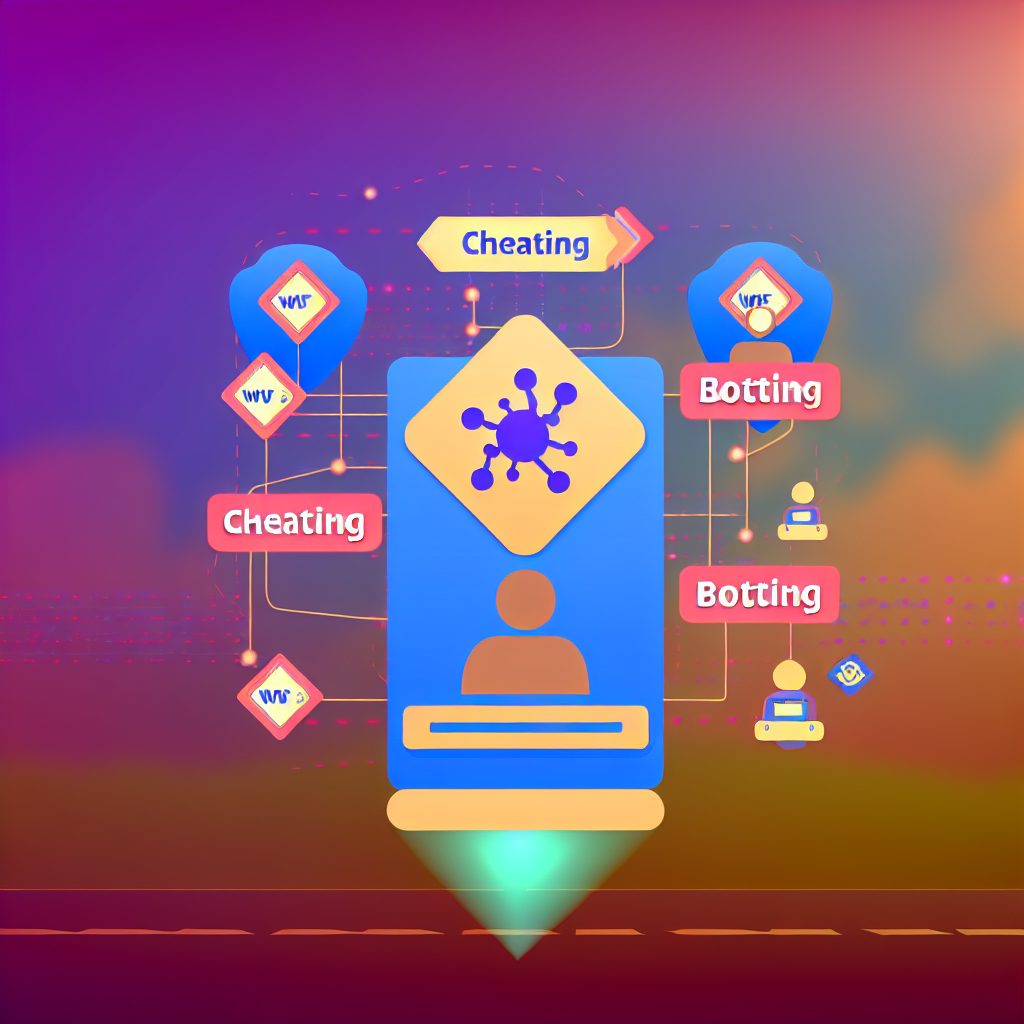
1. Behavioral Analysis
AI algorithms can analyze player behavior patterns to identify anomalies. For instance, if a player consistently achieves high scores or completes tasks at an unrealistic speed, the system can flag this behavior for further investigation. By establishing a baseline of normal player activity, AI can effectively spot deviations that may indicate cheating.
2. Machine Learning Models
Machine learning models can be trained on vast datasets of player interactions to recognize patterns associated with cheating. These models can adapt over time, improving their accuracy in detecting new cheating methods as they emerge. For example, if a new botting technique is introduced, the AI can learn from previous data to identify similar behaviors in the future.
3. Real-time Monitoring
AI systems can monitor gameplay in real-time, allowing for immediate action against suspected cheaters. This capability is crucial in maintaining a fair environment, as it enables developers to respond swiftly to cheating incidents. For instance, if a player is detected using a bot, the system can automatically restrict their access or issue warnings.
4. Anomaly Detection
AI can employ anomaly detection techniques to identify unusual patterns in game data. This includes monitoring transaction patterns on the blockchain, where sudden spikes in activity may indicate botting or exploitation. By analyzing these patterns, developers can take proactive measures to mitigate risks.
Case Studies of AI in Action
Several Web3 games have successfully implemented AI technologies to combat cheating and botting:
1. Axie Infinity
Axie Infinity, one of the leading blockchain-based games, has integrated AI-driven tools to monitor player behavior. The game employs machine learning algorithms to analyze gameplay data, identifying players who exhibit suspicious patterns. This proactive approach has helped maintain a fair gaming environment, ensuring that genuine players can enjoy the game without interference from bots.
2. Decentraland
Decentraland, a virtual reality platform built on the Ethereum blockchain, utilizes AI to monitor user interactions within its ecosystem. By analyzing user behavior, the platform can detect potential cheating or exploitation of its virtual economy. This not only protects the integrity of the game but also enhances the overall user experience.
3. The Sandbox
The Sandbox has implemented AI algorithms to track in-game transactions and player activities. By monitoring these interactions, the platform can identify unusual patterns that may indicate cheating or botting. This approach has proven effective in maintaining a balanced economy and ensuring fair play among users.
Challenges in Implementing AI Solutions
While AI offers promising solutions for preventing cheating and botting, several challenges remain:
- False Positives: AI systems may flag legitimate players as cheaters, leading to frustration and loss of trust.
- Adaptability of Cheaters: As AI systems evolve, so do the methods employed by cheaters, creating an ongoing arms race.
- Data Privacy Concerns: The collection and analysis of player data raise privacy issues that must be addressed to comply with regulations.
Developers must navigate these challenges carefully to ensure that AI solutions enhance the gaming experience without compromising player trust.
The Future of AI in Web3 Gaming
The integration of AI in Web3 games is still in its early stages, but the potential for growth is immense. As technology advances, we can expect to see:
- Enhanced Detection Algorithms: More sophisticated AI models that can adapt to new cheating methods.
- Greater Transparency: Developers may implement transparent AI systems that allow players to understand how cheating is detected.
- Community Involvement: Players may be invited to participate in identifying cheating behaviors, fostering a sense of community ownership.
These advancements will not only improve the integrity of Web3 games but also enhance player engagement and satisfaction.
FAQs
What is Web3 gaming?
Web3 gaming refers to games that utilize blockchain technology, allowing players to own in-game assets, trade them, and participate in decentralized economies.
How does AI prevent cheating in games?
AI prevents cheating by analyzing player behavior, detecting anomalies, and employing machine learning models to identify suspicious activities in real-time.
Are there any successful examples of AI in Web3 games?
Yes, games like Axie Infinity, Decentraland, and The Sandbox have successfully implemented AI technologies to combat cheating and maintain fair play.
What challenges do developers face when using AI?
Developers face challenges such as false positives, the adaptability of cheaters, and data privacy concerns when implementing AI solutions.
Conclusion
The integration of AI in Web3 games represents a significant step forward in maintaining fair play and enhancing the gaming experience. By leveraging advanced technologies to detect and prevent cheating and botting, developers can create a more balanced and enjoyable environment for players. As the industry continues to evolve, the collaboration between AI and blockchain technology will play a crucial role in shaping the future of gaming.
For the latest updates on cryptocurrency news and price tracking, visit Bitrabo. Stay connected with me on social media: X, Instagram, Facebook, Threads.
Disclaimer: The information provided in this article is for educational purposes only and should not be considered financial advice. Always conduct your own research before making investment decisions.
The Crypto Watchlist of the Week 🔎
Subscribe to receive expert-curated projects with real potential—plus trends, risks, and insights that matter. Get handpicked crypto projects, deep analysis & market updates delivered to you.