What If Real Estate Was Fully Tokenized on the Blockchain?
The concept of tokenizing real estate on the blockchain has gained significant traction in recent years, driven by the rapid evolution of the cryptocurrency industry. This innovative approach could revolutionize how we buy, sell, and manage real estate assets, making the process more efficient, transparent, and accessible. In this article, we will delve into the implications of fully tokenizing real estate, exploring its benefits, challenges, and potential real-world applications.
Understanding Real Estate Tokenization
Real estate tokenization refers to the process of creating digital tokens on a blockchain that represent ownership or shares in a real estate asset. Each token can represent a fraction of the property, allowing multiple investors to own a piece of high-value real estate without needing to purchase the entire asset. This method leverages blockchain technology to enhance transparency, security, and liquidity in real estate transactions.
The Benefits of Tokenizing Real Estate
Tokenizing real estate offers numerous advantages that can transform the industry:
- Increased Liquidity: Traditional real estate transactions can take weeks or months to complete. Tokenization allows for quicker transactions, enabling investors to buy and sell their tokens on secondary markets.
- Lower Barriers to Entry: By allowing fractional ownership, tokenization makes real estate investment accessible to a broader audience, including those who may not have sufficient capital to invest in entire properties.
- Enhanced Transparency: Blockchain technology provides a transparent ledger of ownership and transaction history, reducing the risk of fraud and disputes.
- Global Reach: Tokenized real estate can attract international investors, as blockchain operates on a global scale, facilitating cross-border transactions.
- Smart Contracts: Automated smart contracts can streamline processes such as rent collection and property management, reducing administrative costs and errors.
Challenges of Real Estate Tokenization
Despite its potential, tokenizing real estate also presents several challenges:
- Regulatory Hurdles: The legal framework surrounding real estate and securities varies by jurisdiction, complicating the tokenization process. Compliance with local laws is essential to avoid legal issues.
- Market Adoption: The real estate industry is traditionally conservative, and widespread adoption of tokenization may take time as stakeholders become familiar with the technology.
- Technological Barriers: Not all real estate companies have the technical expertise to implement blockchain solutions, which may hinder the transition to tokenization.
- Valuation Challenges: Accurately valuing tokenized assets can be complex, especially for unique properties that do not have comparable sales data.
Real-World Applications of Real Estate Tokenization
Several companies and projects are already exploring the potential of real estate tokenization:
- Real Estate Investment Platforms: Platforms like RealtyMogul and Reitium allow investors to purchase shares in real estate projects through tokenization, providing access to a diversified portfolio.
- Property Management: Companies like Propy are using blockchain to facilitate property transactions and management, streamlining the buying process and ensuring secure record-keeping.
- Tokenized Real Estate Funds: Investment funds such as TokenData are creating tokenized real estate funds, allowing investors to gain exposure to a diversified portfolio of properties.
How Tokenization Works
The process of tokenizing real estate typically involves several key steps:
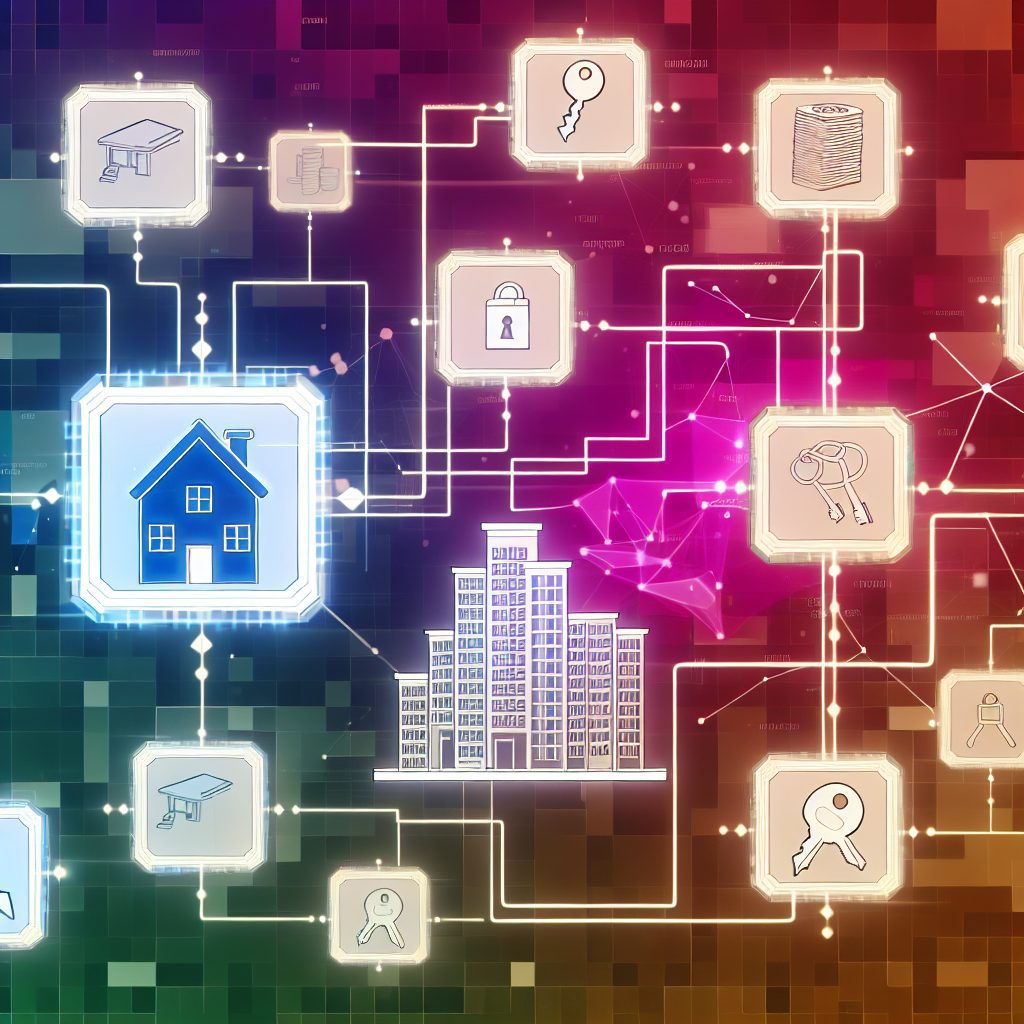
- Asset Identification: The first step is identifying the real estate asset to be tokenized, whether it’s residential, commercial, or industrial property.
- Legal Structuring: Legal experts must ensure that the tokenization complies with local regulations and that the asset is structured correctly for fractional ownership.
- Token Creation: Once the legal framework is in place, digital tokens are created on a blockchain, representing ownership shares in the property.
- Marketplace Listing: The tokens are then listed on a marketplace where investors can buy and sell them, providing liquidity to the asset.
- Ongoing Management: Smart contracts can automate processes such as rent collection and distribution of profits to token holders.
The Future of Real Estate Tokenization
The future of real estate tokenization looks promising, with several trends likely to shape its development:
- Increased Regulatory Clarity: As governments and regulatory bodies become more familiar with blockchain technology, clearer guidelines will emerge, facilitating the tokenization process.
- Integration with Traditional Finance: Collaborations between blockchain companies and traditional financial institutions may lead to hybrid models that combine the best of both worlds.
- Technological Advancements: Continued advancements in blockchain technology will enhance security, scalability, and user experience, making tokenization more appealing.
- Growing Investor Interest: As more investors seek alternative investment opportunities, the demand for tokenized real estate is likely to increase.
FAQs About Real Estate Tokenization
What is real estate tokenization?
Real estate tokenization is the process of creating digital tokens on a blockchain that represent ownership or shares in a real estate asset, allowing for fractional ownership and easier transactions.
How does tokenization improve liquidity in real estate?
Tokenization allows investors to buy and sell their ownership shares on secondary markets, making it easier to convert real estate investments into cash compared to traditional methods.
What are the regulatory challenges of real estate tokenization?
Regulatory challenges include compliance with local laws regarding securities and property ownership, which can vary significantly by jurisdiction.
Can anyone invest in tokenized real estate?
Yes, tokenized real estate lowers barriers to entry, allowing more individuals to invest in real estate with smaller amounts of capital.
What role do smart contracts play in real estate tokenization?
Smart contracts automate processes such as rent collection and profit distribution, reducing administrative costs and minimizing errors.
Conclusion
The full tokenization of real estate on the blockchain presents a transformative opportunity for the industry. By enhancing liquidity, lowering barriers to entry, and increasing transparency, tokenization can democratize real estate investment and streamline transactions. However, challenges such as regulatory hurdles and market adoption must be addressed to realize this potential fully. As the cryptocurrency industry continues to evolve, the future of real estate tokenization looks bright, promising a more accessible and efficient market for investors worldwide.
For the latest updates on cryptocurrency and real estate tokenization, visit Bitrabo. Follow me on social media for more insights: X, Instagram, Facebook, Threads.
Disclaimer: This article is for informational purposes only and should not be considered financial advice. Always conduct your own research before making investment decisions.
The Crypto Watchlist of the Week 🔎
Subscribe to receive expert-curated projects with real potential—plus trends, risks, and insights that matter. Get handpicked crypto projects, deep analysis & market updates delivered to you.