The New Internet of Value Explained
The concept of the Internet of Value is rapidly transforming the landscape of the cryptocurrency industry. As digital assets gain traction, the way we perceive and exchange value is evolving. This article delves into the intricacies of the new Internet of Value, exploring its implications, benefits, and real-world applications.
Understanding the Internet of Value
The Internet of Value refers to a network that enables the seamless transfer of value across borders, similar to how the traditional Internet facilitates the exchange of information. This paradigm shift is primarily driven by blockchain technology, which allows for secure, transparent, and efficient transactions without the need for intermediaries.
In essence, the Internet of Value aims to create a global financial ecosystem where assets can be transferred as easily as sending an email. This concept is not limited to cryptocurrencies; it encompasses various forms of digital assets, including tokens, smart contracts, and decentralized finance (DeFi) applications.
The Role of Blockchain Technology
At the heart of the Internet of Value is blockchain technology. This decentralized ledger system records transactions across multiple computers, ensuring that the data is immutable and transparent. Key features of blockchain technology include:
- Decentralization: Eliminates the need for a central authority, reducing the risk of fraud and manipulation.
- Transparency: All transactions are visible to participants, fostering trust among users.
- Security: Cryptographic techniques protect data integrity and prevent unauthorized access.
- Efficiency: Smart contracts automate processes, reducing the time and cost associated with traditional transactions.
Key Components of the New Internet of Value
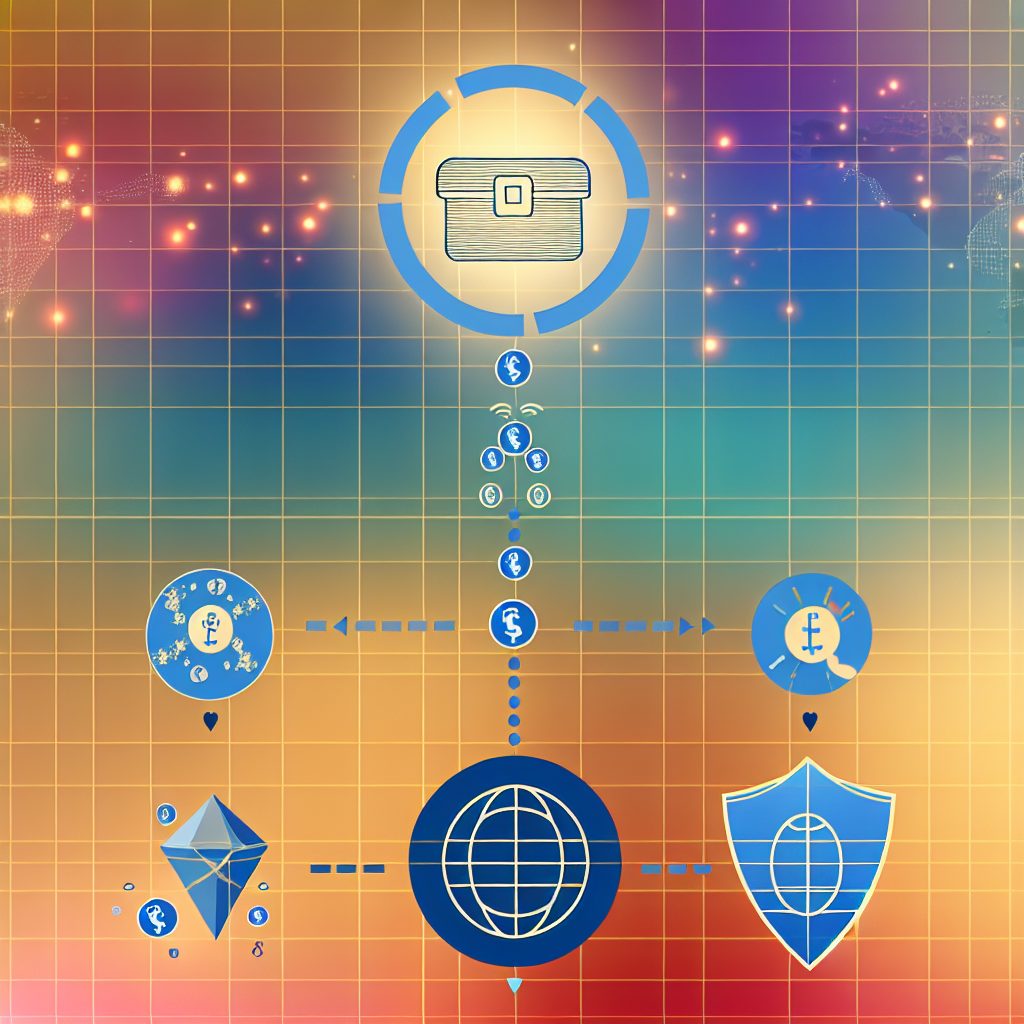
The new Internet of Value comprises several key components that work together to facilitate the transfer of value:
1. Cryptocurrencies
Cryptocurrencies are digital currencies that utilize blockchain technology for secure transactions. Bitcoin, Ethereum, and Ripple are among the most well-known cryptocurrencies, each serving different purposes within the ecosystem. For instance, Bitcoin is primarily a store of value, while Ethereum enables the creation of decentralized applications (dApps) through its smart contract functionality.
2. Tokens
Tokens are digital assets created on existing blockchains, often representing a specific utility or asset. They can be categorized into:
- Utility Tokens: Provide access to a product or service within a blockchain ecosystem.
- Security Tokens: Represent ownership in an asset, such as real estate or company shares.
- Stablecoins: Pegged to traditional currencies, providing stability in value.
3. Decentralized Finance (DeFi)
DeFi refers to a suite of financial services built on blockchain technology, allowing users to lend, borrow, trade, and earn interest on their digital assets without intermediaries. DeFi platforms have gained immense popularity, with total value locked (TVL) in DeFi protocols reaching over $100 billion in 2023.
4. Smart Contracts
Smart contracts are self-executing contracts with the terms of the agreement directly written into code. They automate processes, reducing the need for intermediaries and minimizing the risk of disputes. For example, a smart contract can facilitate a real estate transaction by automatically transferring ownership once payment is received.
Benefits of the Internet of Value
The Internet of Value offers numerous benefits that can revolutionize the way we conduct transactions:
- Lower Transaction Costs: By eliminating intermediaries, users can save on fees associated with traditional banking and payment systems.
- Faster Transactions: Blockchain technology enables near-instantaneous transactions, regardless of geographical location.
- Financial Inclusion: The Internet of Value provides access to financial services for unbanked populations, empowering individuals in developing regions.
- Enhanced Security: The use of cryptographic techniques ensures that transactions are secure and tamper-proof.
Real-World Applications of the Internet of Value
The Internet of Value is not just a theoretical concept; it has practical applications across various industries. Here are some notable examples:
1. Cross-Border Payments
Traditional cross-border payment systems are often slow and expensive. Cryptocurrencies like Ripple (XRP) are designed to facilitate fast and cost-effective international transactions. Ripple’s network allows banks and financial institutions to settle payments in real-time, significantly reducing transaction times from days to seconds.
2. Supply Chain Management
Blockchain technology is being utilized to enhance transparency and traceability in supply chains. Companies like IBM and Walmart are leveraging blockchain to track the origin of products, ensuring quality and authenticity. This not only improves consumer trust but also helps in identifying inefficiencies within the supply chain.
3. Digital Identity Verification
Digital identity solutions built on blockchain can provide secure and verifiable identities for individuals. Projects like SelfKey and Civic enable users to control their personal data while allowing businesses to verify identities without compromising privacy. This has significant implications for KYC (Know Your Customer) processes in financial services.
4. Tokenization of Assets
Tokenization allows physical assets, such as real estate or art, to be represented as digital tokens on a blockchain. This process increases liquidity and accessibility, enabling fractional ownership. Platforms like RealT and CurioInvest are pioneering this space, allowing investors to buy shares in high-value assets.
Challenges Facing the Internet of Value
Despite its potential, the Internet of Value faces several challenges that must be addressed for widespread adoption:
- Regulatory Uncertainty: Governments worldwide are still grappling with how to regulate cryptocurrencies and blockchain technology, leading to uncertainty for businesses and investors.
- Scalability Issues: Many blockchain networks struggle with scalability, limiting their ability to handle a high volume of transactions efficiently.
- Security Concerns: While blockchain technology is inherently secure, vulnerabilities in smart contracts and exchanges can lead to significant losses.
- User Education: A lack of understanding about cryptocurrencies and blockchain technology can hinder adoption among the general public.
The Future of the Internet of Value
The future of the Internet of Value looks promising as more individuals and businesses recognize the benefits of blockchain technology. Innovations such as layer-2 solutions, which enhance scalability, and interoperability between different blockchains are paving the way for a more integrated financial ecosystem.
Furthermore, as regulatory frameworks become clearer, institutional adoption of cryptocurrencies is expected to increase. Major financial institutions are already exploring ways to incorporate digital assets into their services, signaling a shift towards mainstream acceptance.
Frequently Asked Questions (FAQs)
What is the Internet of Value?
The Internet of Value refers to a network that enables the seamless transfer of value across borders using blockchain technology, similar to how the Internet facilitates the exchange of information.
How does blockchain technology support the Internet of Value?
Blockchain technology provides a decentralized, transparent, and secure platform for recording transactions, enabling efficient value transfer without intermediaries.
What are the benefits of using cryptocurrencies?
Cryptocurrencies offer lower transaction costs, faster transaction speeds, enhanced security, and greater financial inclusion for unbanked populations.
What challenges does the Internet of Value face?
Challenges include regulatory uncertainty, scalability issues, security concerns, and the need for user education regarding cryptocurrencies and blockchain technology.
Conclusion
The Internet of Value represents a transformative shift in how we perceive and exchange value in the digital age. By leveraging blockchain technology, cryptocurrencies, and decentralized finance, this new paradigm offers numerous benefits, including lower costs, faster transactions, and enhanced security.
As we move forward, addressing the challenges facing the Internet of Value will be crucial for its widespread adoption. With ongoing innovations and increasing institutional interest, the future of the Internet of Value looks bright, promising a more inclusive and efficient financial ecosystem.
For the latest updates on cryptocurrency news and price tracking, visit Bitrabo. Follow me on social media for more insights: X, Instagram, Facebook, Threads.
Disclaimer: This article is for informational purposes only and should not be considered financial advice. Always conduct your own research before making investment decisions.
The Crypto Watchlist of the Week 🔎
Subscribe to receive expert-curated projects with real potential—plus trends, risks, and insights that matter. Get handpicked crypto projects, deep analysis & market updates delivered to you.