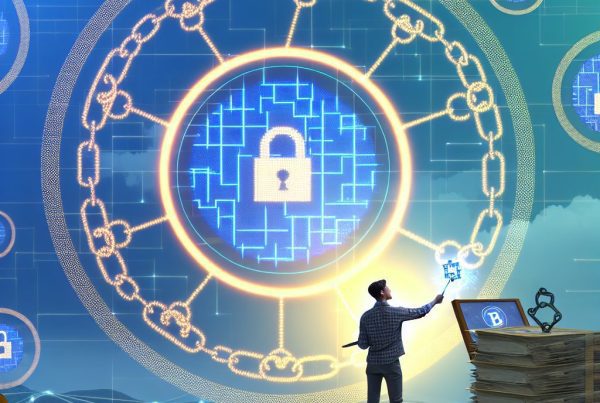
Why Digital Ownership Will Define the Future
The concept of digital ownership is rapidly evolving, particularly within the cryptocurrency industry. As we move further into the digital age, the way we perceive ownership is undergoing a significant transformation. This shift is not just a trend; it is a fundamental change that will shape the future of various sectors, including finance, art, real estate, and beyond. In this article, we will delve into the importance of digital ownership, its implications for the cryptocurrency industry, and how it will redefine our understanding of value and property in the digital world.
Understanding Digital Ownership
Digital ownership refers to the ability to possess and control digital assets, which can include cryptocurrencies, non-fungible tokens (NFTs), digital art, and other forms of digital property. Unlike traditional ownership, which is often tied to physical assets and legal frameworks, digital ownership is facilitated by blockchain technology, providing a decentralized and secure method of verifying ownership.
Blockchain technology serves as the backbone of digital ownership, enabling transparent and immutable records of transactions. This technology ensures that once an asset is recorded on the blockchain, it cannot be altered or deleted, providing a level of security and trust that is often lacking in traditional systems.
The Rise of Cryptocurrency
Cryptocurrency has emerged as a revolutionary force in the financial landscape. Bitcoin, the first and most well-known cryptocurrency, was created in 2009 as a response to the global financial crisis. Since then, thousands of cryptocurrencies have been developed, each with unique features and use cases. The rise of cryptocurrency has paved the way for new forms of digital ownership, allowing individuals to take control of their financial assets without relying on traditional banking systems.
According to a report by Statista, the number of cryptocurrency users worldwide reached over 300 million in 2021, highlighting the growing acceptance and adoption of digital currencies. This trend is expected to continue, with more individuals recognizing the benefits of owning digital assets.
Key Benefits of Digital Ownership
Digital ownership offers several advantages that traditional ownership models cannot match. Here are some key benefits:
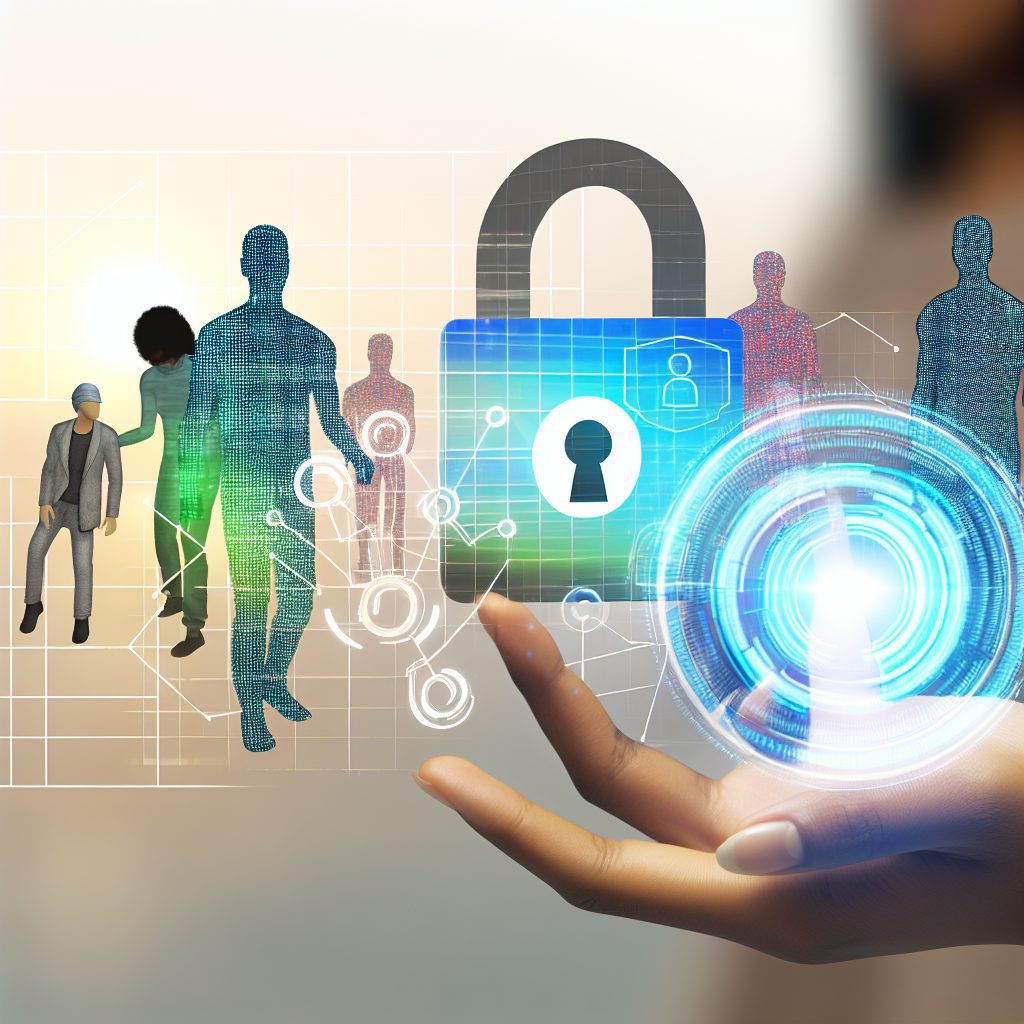
- Decentralization: Digital ownership eliminates the need for intermediaries, allowing individuals to transact directly with one another.
- Security: Blockchain technology provides a secure and transparent way to verify ownership, reducing the risk of fraud.
- Accessibility: Digital assets can be accessed and traded globally, breaking down geographical barriers.
- Programmability: Smart contracts enable automated transactions and agreements, enhancing efficiency.
- Fractional Ownership: Digital assets can be divided into smaller units, allowing for shared ownership and investment opportunities.
Blockchain Use Cases in Digital Ownership
Blockchain technology is being utilized in various sectors to enhance digital ownership. Here are some notable use cases:
1. Non-Fungible Tokens (NFTs)
NFTs have gained immense popularity as a means of representing ownership of unique digital assets, such as art, music, and collectibles. Each NFT is stored on the blockchain, ensuring its authenticity and provenance. Artists and creators can sell their work directly to consumers, retaining more control over their intellectual property.
2. Real Estate
The real estate industry is exploring blockchain technology to streamline property transactions. By tokenizing real estate assets, buyers can purchase fractional ownership, making real estate investment more accessible. Platforms like Realtor.com are already experimenting with blockchain for property listings and transactions.
3. Supply Chain Management
Blockchain can enhance transparency and traceability in supply chains. Companies can track the origin and journey of products, ensuring authenticity and ethical sourcing. This level of transparency fosters trust among consumers and businesses alike.
4. Digital Identity
Digital identity solutions built on blockchain can provide individuals with control over their personal data. Users can selectively share their information with service providers, reducing the risk of data breaches and identity theft.
Challenges to Digital Ownership
Despite its potential, digital ownership faces several challenges that must be addressed for widespread adoption:
- Regulatory Uncertainty: Governments are still grappling with how to regulate cryptocurrencies and digital assets, leading to uncertainty for investors and businesses.
- Security Risks: While blockchain is secure, users are still vulnerable to hacks and scams, particularly in the NFT space.
- Environmental Concerns: The energy consumption of some blockchain networks, particularly those using proof-of-work consensus mechanisms, has raised environmental concerns.
- User Education: Many individuals are still unfamiliar with digital ownership and blockchain technology, hindering adoption.
The Future of Digital Ownership
The future of digital ownership is bright, with numerous developments on the horizon. As technology continues to evolve, we can expect to see:
- Increased Adoption: More individuals and businesses will embrace digital ownership as awareness and understanding grow.
- Interoperability: Different blockchain networks will become more interconnected, allowing for seamless transactions across platforms.
- Enhanced Regulation: Governments will establish clearer regulations, providing a safer environment for investors and users.
- Innovative Use Cases: New applications of blockchain technology will emerge, further expanding the possibilities of digital ownership.
Real-World Examples of Digital Ownership
Several companies and projects are leading the way in demonstrating the potential of digital ownership:
1. OpenSea
OpenSea is one of the largest NFT marketplaces, allowing users to buy, sell, and trade digital assets. The platform has facilitated millions of transactions, showcasing the growing demand for digital ownership in the art and collectibles space.
2. Decentraland
Decentraland is a virtual reality platform where users can buy, sell, and build on virtual land using the MANA cryptocurrency. This project exemplifies how digital ownership can extend into virtual environments, creating new opportunities for creativity and commerce.
3. Ethereum
Ethereum is a leading blockchain platform that supports smart contracts and decentralized applications (dApps). Its versatility has made it a popular choice for developers looking to create innovative solutions for digital ownership.
FAQs about Digital Ownership
What is digital ownership?
Digital ownership refers to the possession and control of digital assets, such as cryptocurrencies, NFTs, and other digital properties, facilitated by blockchain technology.
How does blockchain technology support digital ownership?
Blockchain technology provides a secure and transparent way to verify ownership of digital assets, ensuring that transactions are immutable and traceable.
What are NFTs?
Non-fungible tokens (NFTs) are unique digital assets stored on the blockchain, representing ownership of specific items, such as art, music, or collectibles.
What are the benefits of digital ownership?
Benefits include decentralization, security, accessibility, programmability, and fractional ownership, allowing for more efficient and transparent transactions.
What challenges does digital ownership face?
Challenges include regulatory uncertainty, security risks, environmental concerns, and the need for user education.
Conclusion
Digital ownership is poised to redefine our understanding of value and property in the coming years. As the cryptocurrency industry continues to grow and evolve, the implications of digital ownership will extend far beyond financial assets. By embracing this new paradigm, individuals and businesses can unlock unprecedented opportunities for innovation and growth.
For those looking to stay informed about the latest developments in the cryptocurrency space, platforms like Bitrabo offer valuable insights and price tracking tools. Follow me on social media for more updates: X, Instagram, Facebook, Threads.
Disclaimer: The information provided in this article is for informational purposes only and should not be considered financial advice. Always conduct your own research before making investment decisions.
The Crypto Watchlist of the Week 🔎
Subscribe to receive expert-curated projects with real potential—plus trends, risks, and insights that matter. Get handpicked crypto projects, deep analysis & market updates delivered to you.