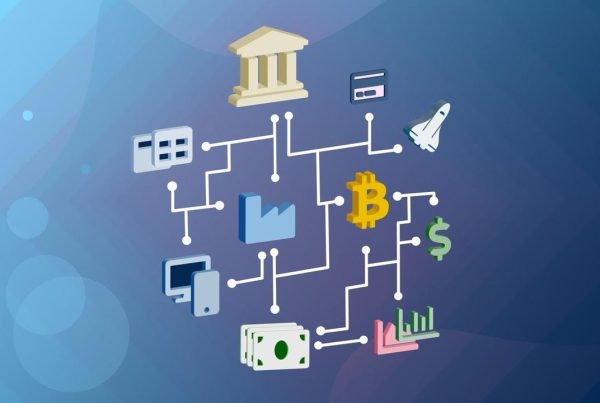
Understanding Decentralized Data Indexing in the Cryptocurrency Industry
The cryptocurrency industry is evolving rapidly, and with it, the need for efficient data management solutions is becoming increasingly critical. One of the most innovative approaches to data management in this space is decentralized data indexing. This article delves into the intricacies of decentralized data indexing, its significance in the cryptocurrency ecosystem, and how it is reshaping the way we interact with blockchain data.
What is Decentralized Data Indexing?
Decentralized data indexing refers to the process of organizing and storing data across a distributed network rather than relying on a central authority. In the context of cryptocurrencies, this means that data related to transactions, smart contracts, and other blockchain activities is indexed in a way that enhances accessibility, security, and transparency.
Unlike traditional data indexing systems, which can be vulnerable to single points of failure and censorship, decentralized indexing leverages the power of blockchain technology to ensure that data remains immutable and accessible to all participants in the network.
Why is Decentralized Data Indexing Important?
Decentralized data indexing plays a crucial role in the cryptocurrency industry for several reasons:
- Enhanced Security: By distributing data across multiple nodes, decentralized indexing reduces the risk of data breaches and unauthorized access.
- Increased Transparency: All transactions and data entries are recorded on the blockchain, making it easy for users to verify information independently.
- Improved Accessibility: Users can access indexed data without relying on a central server, ensuring that information is always available.
- Resistance to Censorship: Decentralized systems are less susceptible to censorship, allowing for free flow of information.
How Does Decentralized Data Indexing Work?
The mechanics of decentralized data indexing involve several key components:
1. Distributed Ledger Technology (DLT)
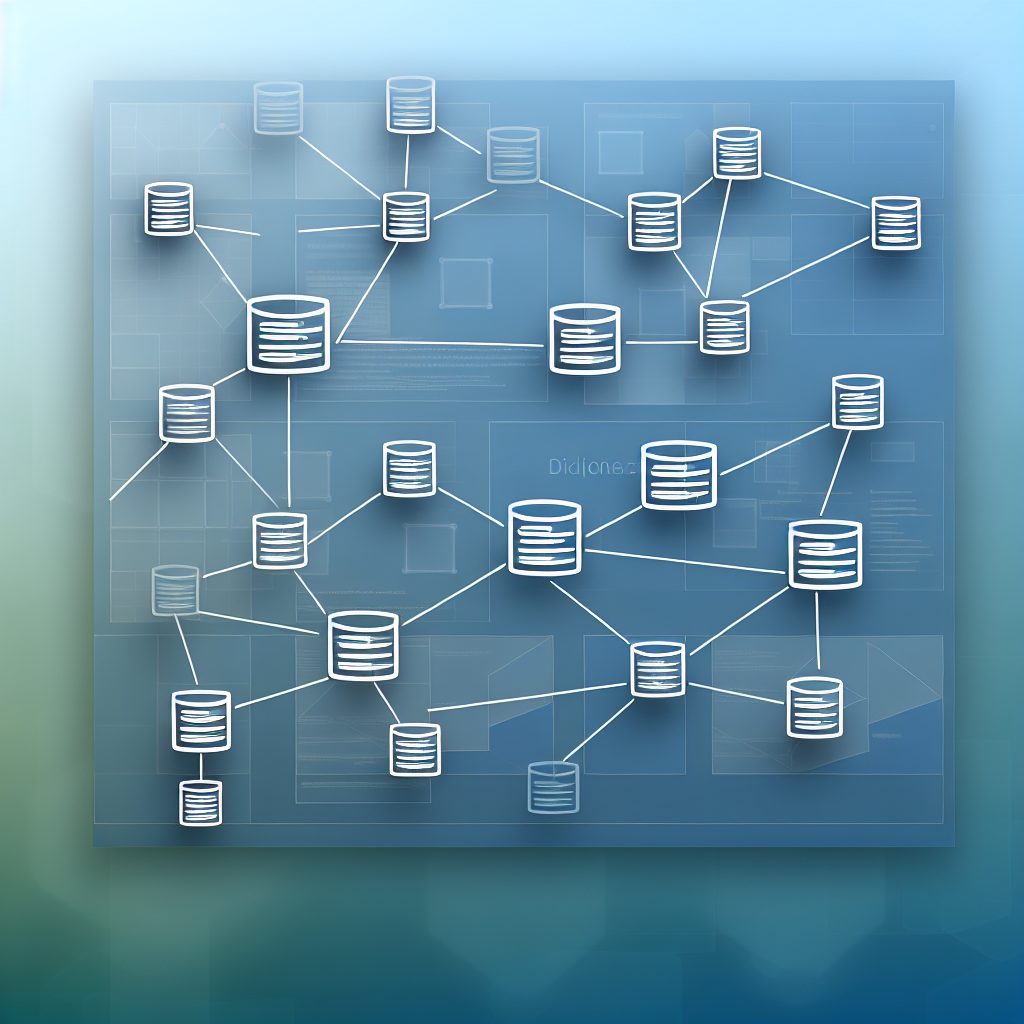
At the core of decentralized data indexing is distributed ledger technology. DLT allows multiple participants to maintain a shared database, ensuring that all copies of the data are synchronized and up-to-date. This technology underpins most cryptocurrencies and enables secure, transparent transactions.
2. Indexing Protocols
Various protocols are designed specifically for decentralized indexing. These protocols define how data is organized, stored, and retrieved. Examples include:
- The Graph: A decentralized protocol that allows developers to build and publish open APIs, known as subgraphs, for querying blockchain data.
- Filecoin: A decentralized storage network that enables users to store and share data securely while incentivizing storage providers.
3. Smart Contracts
Smart contracts automate the indexing process by executing predefined conditions when certain criteria are met. This ensures that data is indexed accurately and efficiently without the need for intermediaries.
Use Cases of Decentralized Data Indexing
Decentralized data indexing has numerous applications within the cryptocurrency industry:
1. Decentralized Finance (DeFi)
In the DeFi space, decentralized data indexing allows users to access real-time information about liquidity pools, trading volumes, and price feeds. This transparency is essential for making informed investment decisions.
2. Non-Fungible Tokens (NFTs)
For NFTs, decentralized indexing enables users to track ownership history, provenance, and market trends. This information is vital for collectors and investors looking to assess the value of digital assets.
3. Supply Chain Management
Blockchain technology, combined with decentralized indexing, can enhance supply chain transparency. Companies can track products from origin to consumer, ensuring authenticity and reducing fraud.
Challenges of Decentralized Data Indexing
Despite its advantages, decentralized data indexing faces several challenges:
- Scalability: As the volume of data increases, maintaining performance and speed can become difficult.
- Data Privacy: Ensuring that sensitive information remains confidential while still being accessible can be a complex issue.
- Interoperability: Different blockchain networks may use varying indexing protocols, making it challenging to access data across platforms.
Future of Decentralized Data Indexing
The future of decentralized data indexing looks promising as more projects emerge to address current challenges. Innovations in technology, such as layer-2 solutions and cross-chain compatibility, are expected to enhance the efficiency and usability of decentralized indexing systems.
Moreover, as regulatory frameworks evolve, the demand for transparent and secure data management solutions will likely increase, further driving the adoption of decentralized indexing in the cryptocurrency industry.
Real-World Examples of Decentralized Data Indexing
Several projects exemplify the potential of decentralized data indexing:
1. The Graph
The Graph is a leading decentralized indexing protocol that allows developers to create subgraphs for querying blockchain data. It has gained significant traction in the DeFi and NFT sectors, enabling seamless access to critical information.
2. Filecoin
Filecoin provides a decentralized storage solution that allows users to store and retrieve data securely. Its unique incentive structure encourages users to contribute storage space, creating a robust ecosystem for decentralized data management.
FAQs about Decentralized Data Indexing
What is the main benefit of decentralized data indexing?
The primary benefit is enhanced security and transparency, as data is stored across a distributed network, reducing the risk of breaches and censorship.
How does decentralized data indexing differ from traditional indexing?
Traditional indexing relies on centralized servers, making it vulnerable to failures and censorship, while decentralized indexing distributes data across multiple nodes, ensuring greater resilience and accessibility.
Can decentralized data indexing be used for non-cryptocurrency applications?
Yes, decentralized data indexing can be applied in various sectors, including supply chain management, healthcare, and digital identity verification.
What are some challenges facing decentralized data indexing?
Challenges include scalability, data privacy concerns, and interoperability between different blockchain networks.
Conclusion
Decentralized data indexing is a transformative approach that enhances the way we manage and interact with data in the cryptocurrency industry. By leveraging the power of blockchain technology, it offers improved security, transparency, and accessibility. As the industry continues to evolve, the importance of decentralized indexing will only grow, paving the way for innovative applications across various sectors.
For the latest updates on cryptocurrency news and price tracking, consider visiting Bitrabo. Stay connected with me on social media: X, Instagram, Facebook, and Threads.
Disclaimer: The information provided in this article is for informational purposes only and should not be considered financial advice. Always conduct your own research before making investment decisions.
The Crypto Watchlist of the Week 🔎
Subscribe to receive expert-curated projects with real potential—plus trends, risks, and insights that matter. Get handpicked crypto projects, deep analysis & market updates delivered to you.